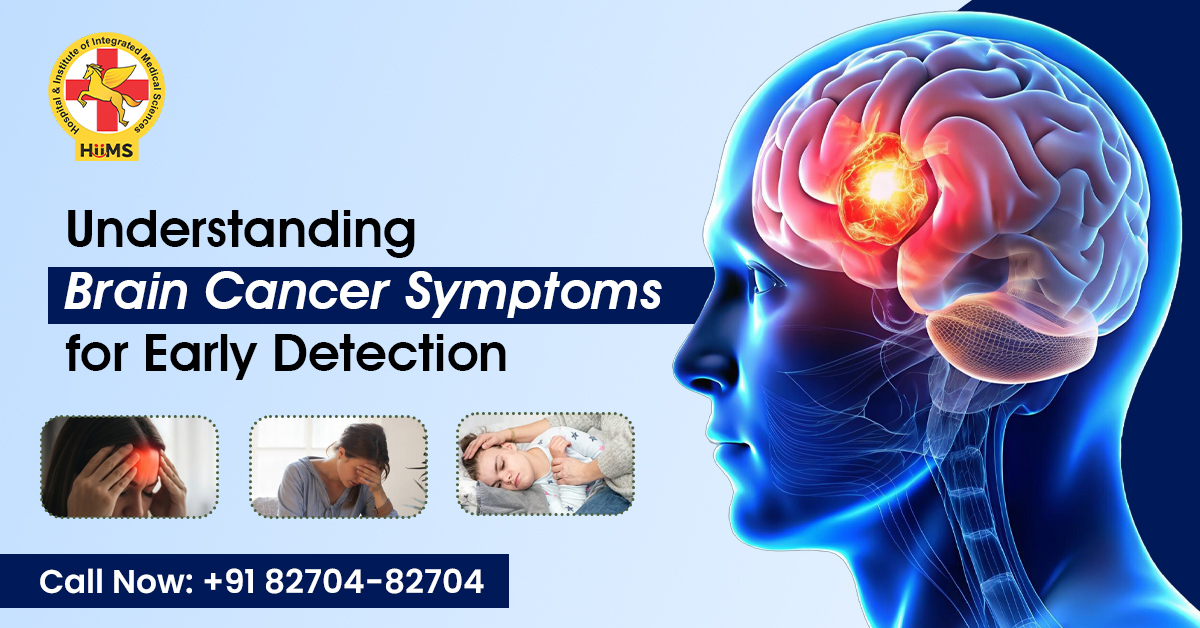

When we hear the word “cancer,” it often creates fear right away. Brain cancer, in particular, feels even more serious because it affects the control center of the body. But many people forget one thing—the body often shows early signs, we just don’t notice them, or we ignore them.
Understanding brain cancer symptoms at the right time can make a big difference. It does not mean every headache is dangerous, but some patterns should not be taken lightly either.
These days, due to stress, irregular routines, and poor lifestyle habits, health issues are rising quietly. That is why hospitals like Jeena Sikho HiiMS often focus on awareness along with natural ways of living. The idea is simple – when you understand your body early, you can act early.
This blog aims to help you understand the early signs and symptoms so you can notice them in time and take the right steps.
Table of Contents
Brain Cancer Symptoms You Should Not Ignore
Some symptoms look small in the beginning. They don’t feel serious, but over time, they may become more noticeable.
Here are some common symptoms of brain cancer that people often report:
- Frequent headaches, especially in the morning
- Nausea or vomiting without a clear reason
- Blurred or double vision
- Sudden difficulty in speaking or understanding
- Loss of balance or coordination
- Changes in behavior or mood
These are also considered warning signs of brain tumors in many cases. The difficult thing is that these symptoms don’t always appear together. Sometimes, just one or two symptoms keep coming back.
Early Signs of Brain Cancer That Often Get Missed
In many cases, the early signs of brain cancer are mild and confusing. People usually ignore them, thinking it is just tiredness or stress.
What you may notice early:
- Mild but regular headaches
- Feeling unusually tired all the time
- Trouble focusing on the simple tasks
- Slight memory issues
- Changes in the sleep pattern
These early signs of brain cancer may not disturb your daily life at first. But if they continue for weeks, it’s better to pay attention.
Also, these can overlap with other health conditions, so self-diagnosis is not the right approach.
Why Brain Cancer Symptoms Are Often Ignored
Most people don’t ignore symptoms on purpose. Life gets busy, and small health issues are often pushed aside.
We usually think:
- “It’s just stress.”
- “I didn’t sleep properly.”
- “Maybe it’s because of screen time.”
Sometimes, this can be true. But if brain cancer symptoms keep coming again and again, they should not be ignored.
Another reason is a lack of awareness. Many people don’t clearly understand the warning signs of brain tumors, so they fail to notice what the body is trying to say.
When Should You Take It Seriously?
Not every symptom means something serious. But some patterns need attention.
You should consider medical advice if:
- Headaches are getting worse over time
- Symptoms are happening daily
- You feel sudden weakness or the numbness
- Vision or speech changes feel unusual
- You notice personality or the behavioral changes
At this stage, visiting a cancer hospital for a proper check-up becomes important. Early evaluation helps avoid complications later.
Also, keep in mind that symptoms of brain cancer can vary from person to person. There is no fixed rule.
Simple Lifestyle Factors That Impact Your Health
This is something people usually don’t talk about much. Your daily habits affect your body more than you think. Irregular meals, poor sleep, and constant stress — all of these disturb internal balance. While they may not directly cause serious illness, they can weaken the system over time.
This is where traditional approaches like Ayurveda quietly focus. Instead of only treating illness, they talk about balance.
Jeena Sikho HiiMS often encourages simple lifestyle corrections, like:
- Eating on time
- Maintaining a sleep routine
- Managing the stress naturally
- Choosing the clean and simple food
These things may look basic, but they help the body stay stable.
The Importance of Balance in Healing
Health is not just about the treatment. It is also about how you live your daily life.
Ayurveda mainly focuses on keeping the body balanced in simple ways. It talks about food, sleep, daily routine, and even your state of mind, all these things matter more than we usually think.
Instead of waiting for the problems to become serious, it gently reminds us to take care of the body in a regular and natural way. Small habits like eating on time, sleeping properly, and managing the stress may look basic, but they do play a role in keeping things stable.
Conclusion
Understanding brain cancer symptoms early is not about fear. It is about awareness. The body often gives signals, but we need to notice them without ignoring or overthinking.
If something feels unusual and keeps repeating, it is always better to check rather than delay. Even simple symptoms can sometimes carry meaning. Hospitals like Jeena Sikho HiiMS try to guide people towards better awareness, along with natural lifestyle habits.

If your symptoms feel confusing or you are unsure about them, you can consider a VOPD consultation. Little steps taken at the right time can make a difference. Health does not always ask for big efforts; just timely care matters.
FAQs
Are headaches always a sign of brain cancer?
No, not all headaches mean brain cancer. But frequent or the unusual headaches should not be ignored.
What are the early signs of brain cancer?
Early signs of the brain cancer can include mild headaches, tiredness, memory issues, and trouble focusing.
When should I worry about brain cancer symptoms?
If symptoms are frequent, getting worse, or feel unusual, it is better to take them seriously.
Can stress cause symptoms similar to brain cancer?
Yes, stress can cause the similar symptoms, which is why proper evaluation is important.
How does Ayurveda look at health?
Ayurveda focuses on maintaining the balance in the body through daily routine and the natural habits.
Ayurvedic Heart Care Products
100% natural, certified Ayurvedic formulations crafted for targeted heart wellness.



Disclaimer: The information provided on this blog is for general educational and informational purposes only. It is not intended to replace professional medical advice, diagnosis, or treatment. Always consult a qualified healthcare professional before making any changes to your diet, lifestyle, or treatment plan. Individual results may vary.