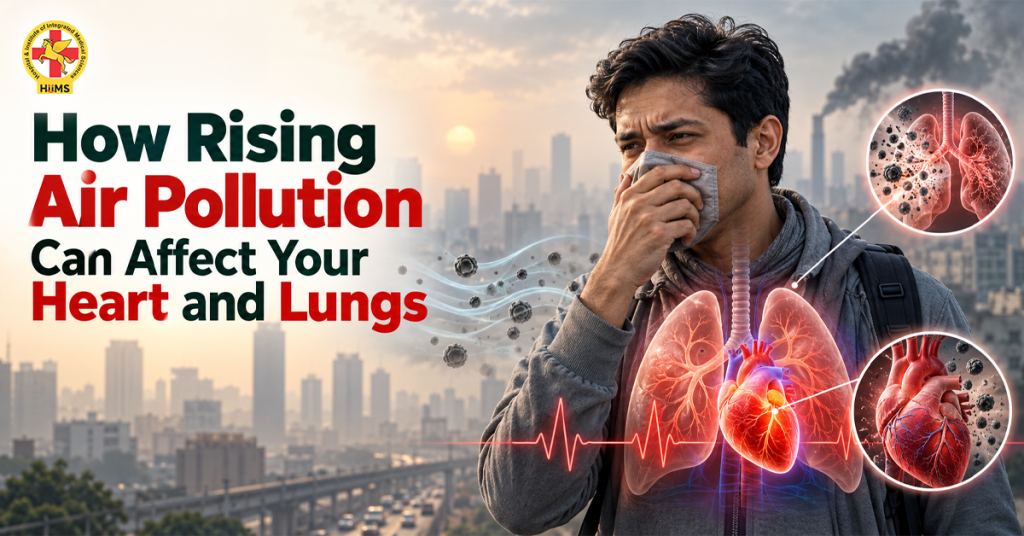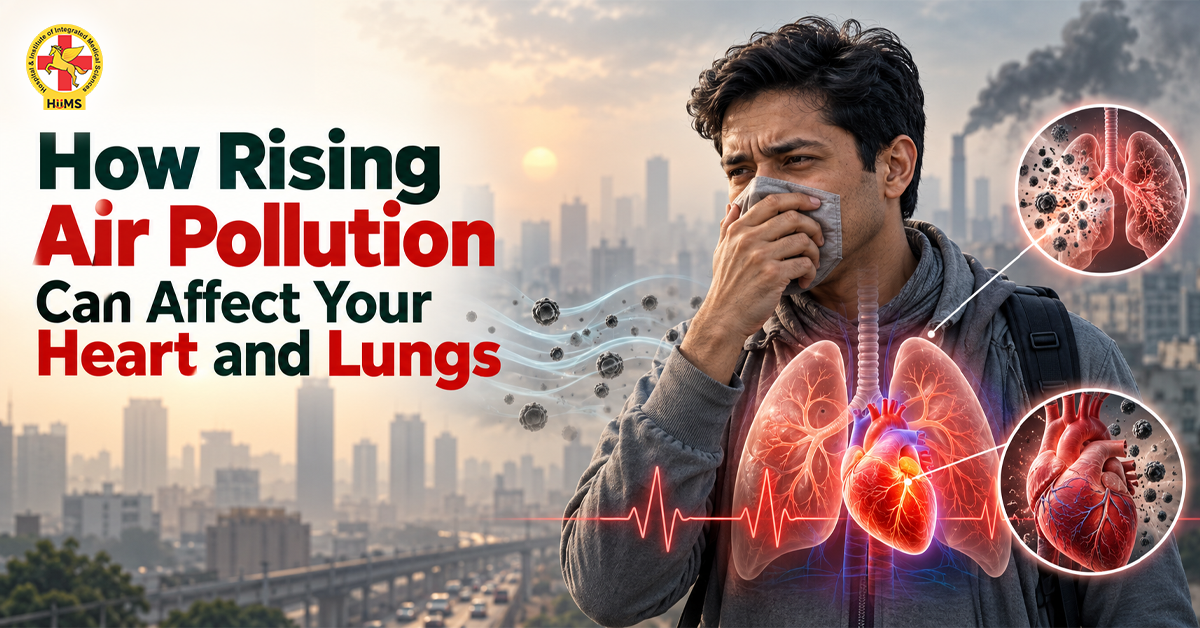

Air pollution is now a major health worry, especially in cities. Traffic smoke, construction dust, factory fumes and seasonal smog change the air we breathe every day.
Most people link bad air with cough, throat irritation and breathing trouble. But the harm does not stop at the lungs. Long-term exposure is also linked with heart disease, stroke and early death.
The air pollution effects on heart and lungs come mainly from PM2.5. These fine particles travel deep inside the lungs and can also affect the heart, blood vessels and other parts of the body.
For individuals with asthma, chronic obstructive pulmonary disease (COPD), high blood pressure or existing heart conditions, knowing the risks and taking the suitable precautions is very important.
Table of Contents
What Is Air Pollution, and Why Is PM2.5 a Concern?
Air pollution occurs when harmful particles, gases and other substances build up in the atmosphere at levels that can damage the human health. It comes from many everyday sources:
- Vehicle exhaust
- Industrial emissions
- Construction activity
- Burning of waste and fossil fuels
- Smoke from the household cooking
Among the many pollutants, PM 2.5 is one of the most closely studied. It refers to particulate matter 2.5 micrometres or smaller in diameter. Because these particles are so tiny, they can travel deep into the respiratory tract. Other pollutants, such as ground-level ozone, nitrogen dioxide, sulphur dioxide and carbon monoxide, also add to the health burden.
The scale of the problem is significant. The World Health Organization (WHO) estimated that outdoor air pollution was responsible for 4.2 million premature deaths across the world in 2019. Including household air pollution, the total rose to about 6.7 million. This makes air pollution a major health concern, not just an environmental problem. Get expert guidance for better health.

What Are You Breathing? Common Air Pollutants Explained
The air we breathe is a mix of tiny particles and invisible gases. Each one behaves differently, which is why knowing what they are and where they come from helps explain how polluted air reaches the body.
| Pollutant | Where It Comes From | How It Can Affect Health |
| PM2.5 (fine particles) | Vehicle exhaust, burning of waste and biomass, industrial smoke | Enters deep into the lungs and bloodstream. Linked to asthma, COPD, lung cancer, heart disease and stroke, with emerging links to diabetes and cognitive decline |
| PM10 (coarse particles) | Construction dust, road dust, industrial activity | Irritates the eyes, nose and throat, and is linked to breathing problems and cardiovascular risk |
| Nitrogen dioxide (NO₂) | Vehicle exhaust, power plants, industrial combustion | Inflames the airways and is linked to asthma and respiratory infections, especially in children |
| Ground-level ozone (O₃) | Forms when sunlight reacts with vehicle and industrial emissions | Causes coughing and chest tightness, can trigger asthma attacks and may reduce lung function |
| Sulphur dioxide (SO₂) | Burning of coal and oil, industry, power plants | Irritates the throat and airways and can cause wheezing and asthma flare-ups |
| Carbon monoxide (CO) | Incomplete burning of fuel in vehicles, gas stoves and wood fires | Reduces the blood’s ability to carry oxygen, which may cause headaches and dizziness and strain the heart |
Most people breathe these pollutants together rather than one at a time, and once they enter the body, they can affect far more than the lungs.
Research Evidence: How Air Pollution Affects Health in India
Recent Indian research points to a link between rising PM2.5 levels and higher mortality rates.
A 2024 Lancet Planetary Health study of ten Indian cities (2008–2019) found that every 10 µg/m³ rise in two-day average PM2.5 was linked to a 1.4% increase in daily mortality. This is a population-level association, not an individual’s risk.
A second study, published in December 2024, found that each 10 µg/m³ increase in annual PM2.5 exposure was associated with an 8.6% rise in annual mortality across Indian districts. It also estimated that 81.9% of India’s population lived in areas exceeding the national annual standard.
Both studies looked at deaths from all causes, but they add to the growing evidence that air pollution is a serious health risk.
Understanding Air Pollution Effects on Heart and Lungs
Breathing polluted air affects more than just the lungs. Fine particles and gases can irritate the airways, trigger inflammation and influence blood vessels and circulation, contributing to a range of respiratory and cardiovascular problems.
How Air Pollution Affects Lung Health
The lungs are the first organs to come into contact with polluted air, so they are often the first to show its effects.
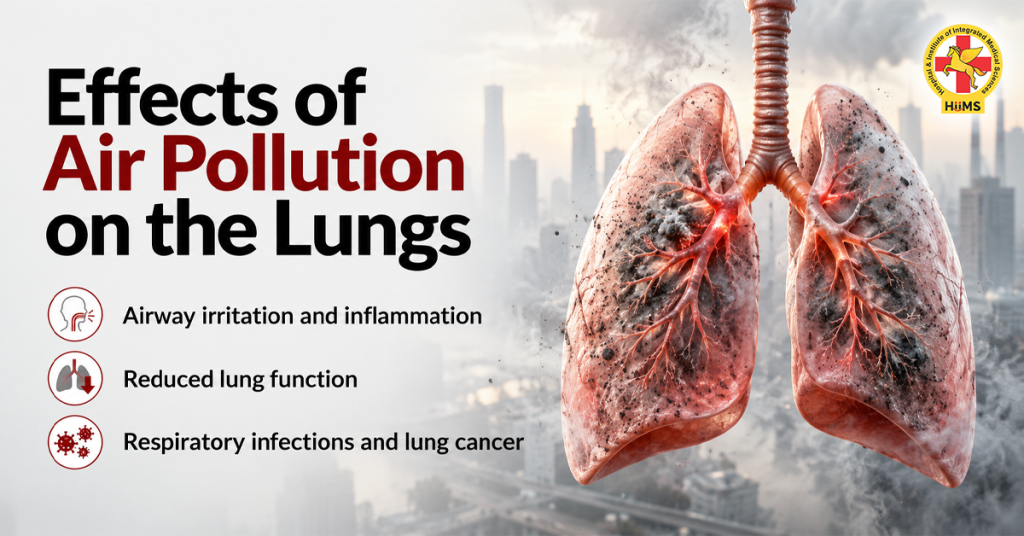
- Airway irritation and inflammation: Particles and gases irritate the airway lining, causing coughing, wheezing, chest tightness or shortness of breath, and they can trigger or worsen asthma symptoms.
- Reduced lung function: Long-term exposure to particulate matter is linked to impaired lung function, especially in children, older adults and people with existing lung conditions.
- Respiratory infections and lung cancer: Air pollution is associated with both, with risk depending on exposure level, duration, smoking history and individual susceptibility.
How Air Pollution Affects Heart Health
Fine particles are small enough to pass from the lungs into the bloodstream, so pollution can affect the heart and blood vessels as well.
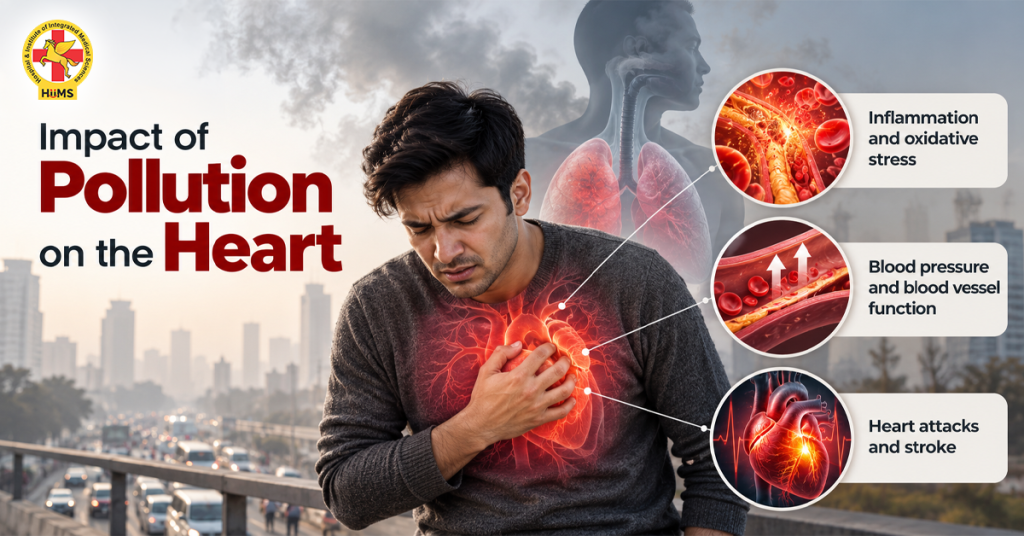
- Inflammation and oxidative stress: Fine particles can trigger these responses in the lungs, which may affect blood vessels and contribute to the cardiovascular disease.
- Blood pressure and blood vessel function: Exposure is associated with impaired blood-vessel function and adds to overall cardiovascular risk, particularly for the people with hypertension.
- Heart attacks and stroke: Short-term exposure to high particulate pollution is linked to a greater risk of both, and long-term exposure adds to the disease burden.
The WHO’s evidence on outdoor air pollution and health links outdoor and household air pollution to millions of premature deaths each year.
Who Is Most Vulnerable to Air Pollution?
Poor air quality can affect anyone, but some people are more likely to experience the health problems:
- Children: Their lungs are still developing, and they breathe more air compared with their body weight.
- Older adults: Age and other health conditions may increase their vulnerability.
- People with asthma or COPD: Air pollution can worsen breathing problems and trigger flare ups.
- People with heart disease or high blood pressure: Pollutants may add to existing risks to heart health.
- People with diabetes: Their existing risk of heart and blood vessel disease may add to the concern.
- Outdoor workers: Traffic police, delivery staff, construction workers and others may be exposed to polluted air for long periods.
The risk differs from person to person and depends on exposure, general health and environmental conditions.
Simple Ways to Stay Safe in Polluted Air
You can’t control the air outside, but small routines can reduce how much polluted air you breathe and support your body’s resilience.
- Check the Air Quality Index before heading out
Make it part of your morning routine, and limit time near busy roads or visible smoke when air quality is poor.
- Wear a Mask When Air Quality Is Poor
An N95 or equivalent respirator can reduce exposure to fine particles when worn correctly, though it does not block every gaseous pollutant.
- Improve Indoor Air Quality
Avoid smoking indoors, cut down on smoke from incense and candles, and ventilate when outdoor air is cleaner. A HEPA air purifier can help where feasible.
- Avoid Outdoor Exercise During Severe Pollution
Heavy exercise makes you breathe in more air, so choose a cleaner indoor space when pollution is severe.
- Stay Consistent With Prescribed Treatment
If you have asthma, COPD, heart disease or high blood pressure, keep taking your medicines and don’t change them without medical advice.
- Follow a Healthy Routine
A balanced diet, regular sleep, daily movement and staying tobacco-free all help keep your heart and lungs strong. Pair these habits with lower exposure to polluted air for the best protection.
- Explore a Lifestyle-Based Approach
Ayurveda also places great weight on daily routines such as regular sleep, mindful eating and gentle breathing practices, which complement the habits above. Everybody is different, and an Ayurvedic practitioner can suggest routines, diet and breathing practices that suit your needs and work alongside your regular preventive care.
How Jeena Sikho HiiMS Takes a Root-Based, Integrated Approach
Ayurveda is one of the world’s oldest systems of health, built on the idea that real wellbeing comes from balance in the body, digestion, daily routine and mind. At Jeena Sikho HiiMS, this time-honoured wisdom is brought together with modern clinical understanding to support people whose heart and lung health is affected by polluted air.
Ayurvedic Lifestyle Guidance and Integrated Care at Jeena Sikho HiiMS
Rather than looking only at the symptom, a root-based approach asks why it is happening. Jeena Sikho HiiMS looks at the whole person and combines Ayurvedic care with modern evaluation to build a plan that fits the individual.
- Personalised assessment: Symptoms, medical history, diet, sleep and daily routine are reviewed before any plan is suggested.
- Diet and routine guidance: Advice on regular meal timings, warm, light, easily digestible food and a steady sleep schedule.
- Panchakarma for cleansing and balance: Ayurveda’s signature set of cleansing therapies, tailored to the person and done in stages under expert supervision.
- Yoga and breathing practices: Gentle pranayama and relaxation techniques, practised indoors when the air is clean and the activity is medically appropriate.
- Stress and sleep support: Calming therapies and routines that help the body rest and recover.
- Care alongside your medicines: Patients are encouraged to continue prescribed treatment and consult their doctor before using any herbal products or supplements.
Lifestyle changes are often the first step. When symptoms persist or when the heart or lungs need more focused support, specific Ayurvedic therapies may be recommended after a proper consultation. Here are the therapies commonly used for the heart and lungs.
Ayurvedic Ways to Support Heart Health Naturally
In Ayurveda, these therapies are traditionally used to promote relaxation, circulation and overall balance.

- Hridaya Basti: Warm medicated oil is held over the chest region for a set time, traditionally used to relax and nourish the area around the heart.
- Abhyanga: A full-body massage with warm herbal oils that eases stress and supports relaxation.
- Swedana: A gentle herbal steam therapy, usually given after oil massage, to release stiffness and promote sweating.
- Snehana: Oleation therapy using medicated oils or ghee, applied externally or taken internally under supervision, to prepare the body for further therapies.
Ayurvedic Care for Lung Health and Asthma
For breathing concerns, Ayurveda focuses on easing congestion, calming the airways and building healthier habits.
- Nasya: A traditional Ayurvedic practice involving the administration of suitable herbal oils or preparations through the nostrils. It is traditionally used to support nasal passages and upper respiratory wellness.
- Vamana and Virechana: Traditional Ayurvedic cleansing procedures used in selected cases to address excess Kapha and support the body’s balance. They should only be performed after proper assessment and under qualified supervision.
- Pranayama and Yoga: Gentle breathing exercises and yoga practices that may support breathing awareness and relaxation. They should be practised in clean air and according to individual medical advice.
What Is the CAAT Protocol for Breathing Support?
When breathing becomes difficult, many people feel anxious, and that anxiety can make every breath feel harder. The CAAT protocol at Jeena Sikho HiiMS is a simple method that helps people stay calm and breathe more comfortably during such moments.
- Capacity of Lungs (C): Focuses on making the best use of lung capacity.
- Afferent Mismatch Correction (A): Aims to settle the mismatch between the breathing effort a person feels and the airflow they actually get, which often drives anxiety.
- Airflow (A): Encourages smooth, steady airflow.
- Test (T): Checks how comfortably the person is breathing.
In practice, the person bends slightly forward and breathes in a calm, steady way, with a little airflow near the mouth to help the chest relax. With regular practice, it begins to feel natural.
Building Inner Resilience in an Outer World of Pollution
Ayurveda doesn’t try to fight pollution alone. Its goal is to make the body stronger from within. By restoring balance in digestion, routine, breathing and mind, it aims to help the body stay steady and resilient even when the world around it is not. Clean air protects us from the outside, and balanced living strengthens us from the inside. The two work best together.
Conclusion
Protecting your health starts with understanding the air pollution effects on heart and lungs and taking steady, everyday care. Reduce your exposure, keep up your prescribed treatment and build balanced routines, with guidance from Jeena Sikho HiiMS if you choose an Ayurvedic path.
Persistent symptoms deserve a proper healthcare evaluation, and severe breathlessness or chest pain needs emergency care right away. Book a VOPD consultation with Jeena Sikho HiiMS to talk through your symptoms, daily routine and health needs from the comfort of your home.

Frequently Asked Questions
-
Can air pollution cause heart problems?
Air pollution is associated with an increased risk of cardiovascular disease, including heart attacks and strokes. The risk depends on exposure levels, duration and individual health factors.
-
Can air pollution permanently damage the lungs?
Long-term exposure can contribute to chronic respiratory disease and impaired lung function. The extent of harm depends on exposure and individual susceptibility. Not all pollution-related symptoms indicate permanent damage.
-
Does wearing an N95 mask protect against PM2.5?
A properly fitted N95 respirator can reduce inhalation of airborne particles, including PM2.5. It does not provide complete protection and does not filter all gases.
-
Is it safe to exercise when air pollution is high?
Strenuous outdoor exercise may increase pollutant exposure because breathing rates rise during activity. Check local AQI guidance and consider moving exercise indoors when pollution levels are high.
-
Can Ayurveda detoxify the lungs after pollution exposure?
There is insufficient evidence that Ayurvedic treatments can remove PM2.5 from the lungs or reverse pollution-related damage. A safer approach is to reduce further exposure, follow evidence-based medical advice and use complementary practices only where appropriate.
Ayurvedic Heart Care Products
100% natural, certified Ayurvedic formulations crafted for targeted heart wellness.



Disclaimer: The information provided on this blog is for general educational and informational purposes only. It is not intended to replace professional medical advice, diagnosis, or treatment. Always consult a qualified healthcare professional before making any changes to your diet, lifestyle, or treatment plan. Individual results may vary.