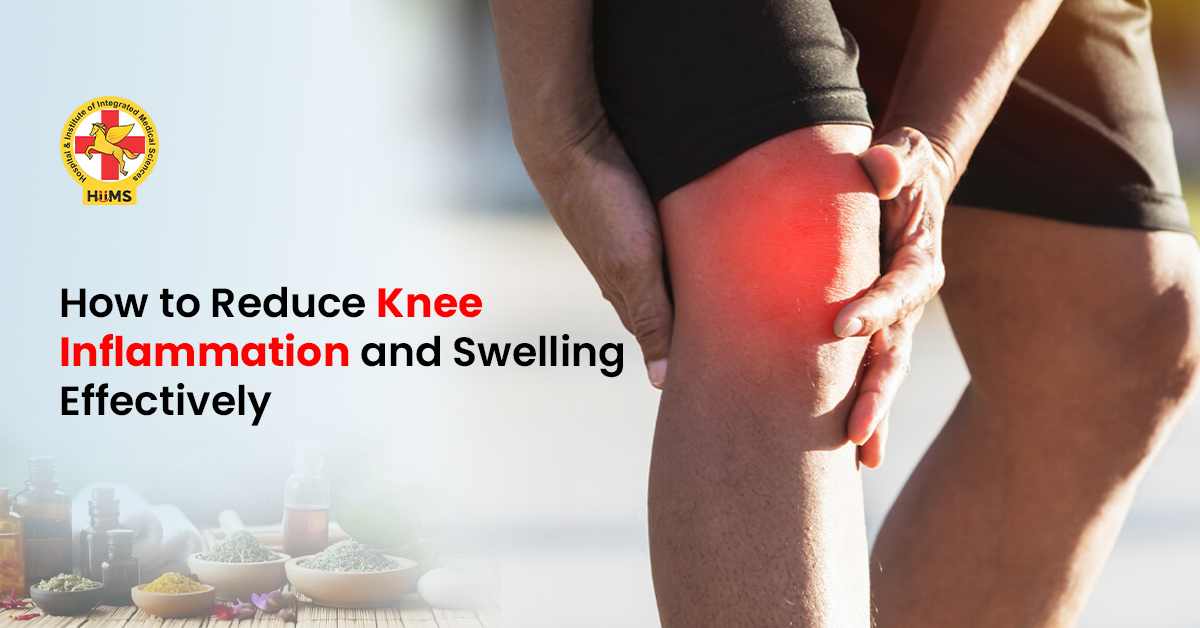

Knee pain is common, and it usually starts with some swelling or a little pain. If ignored, the pain can grow and make daily activities like walking, climbing stairs, or sitting uncomfortable. Knee inflammation is not just about pain; it can affect mobility and reduce the quality of life. Early attention can prevent worsening and support long-term joint health.
At Jeena Sikho HiiMS, doctors focus on understanding the cause behind knee pain and swelling before starting treatment. The aim is to reduce inflammation gradually, improve joint movement, and prevent recurring problems. Using Ayurvedic treatment for joint pain combined with mild therapies and lifestyle adjustments, joint health is supported naturally. The approach prioritizes enduring improvement over temporary symptom relief.
Signs of Knee Inflammation
Some common symptoms you may notice are:
- Pain when walking, bending, or standing for some time
- Morning stiffness that goes away slowly
- Swelling or warmth around the knee
- Sometimes redness appears
- Cracking or popping sounds during movement
- Less flexibility in the knee
- Feeling weak while climbing stairs
Spotting these signs early helps get the right care.
Main Causes of Knee Joint Inflammation
The reasons for knee joint inflammation causes are often simple but important to know:
- Old injuries or small falls
- Weak muscles around the knee
- Wear and tear of cartilage with age
- Extra body weight putting pressure on knees
- Long sitting or standing without movement
- Weak digestion causing toxin buildup
- Vata imbalance according to Ayurveda
- Autoimmune or chronic illnesses
Knowing the cause helps doctors suggest the right joint pain relief in Ayurveda.
Ayurvedic Treatment for Knee Pain
Joint Pain Treatment in Ayurveda looks at the knee, digestion, lifestyle, and blood circulation. The plan is made for each person, not the same for everyone.
Some important therapies are:
- Abhyanga (Oil Massage): Massage with warm herbal oil around the knee relaxes muscles, relieves stiffness, and promotes improved circulation.
- Swedana (Steam Therapy): Mild steam relaxes the tissues and keeps the joint naturally lubricated.
- Basti (medicated enema): Helps control Vata dosha and reduces dryness in the joint.
- Janu Basti: A dough ring is positioned around the knee, which is then filled with warm herbal oil. This nourishes the joint, reduces inflammation, and strengthens tissues.
These therapies work slowly but steadily. They reduce pain, stiffness, and swelling over time.
Panchakarma for Knee Care
Panchakarma is a detox treatment in Ayurveda. It helps get rid of toxins and keeps the doshas balanced. There are five main steps:
- Vamana: Therapeutic vomiting to cleanse the stomach
- Virechana: Intestinal and liver cleansing
- Basti: Medicated enema to nourish joints
- Nasya: Detoxification of nose and head
- Raktamokshana: Blood purification
In cases of knee inflammation, Basti is commonly used. It helps reduce dryness and improves movement. All procedures are planned after checking your health and strength.
Daily Care and Lifestyle Tips
Simple habits support recovery from knee joint pain:
- Avoid sitting or standing for too long at a time
- Gentle stretching and light yoga, like leg lifts or bending exercises
- Warm compress or mild oil massage for stiffness
- Eat home-cooked, warm food and drink enough water
- Keep body weight under control
- Avoid oily, processed, or heavy food
Slow and regular care gives better results than quick fixes or painkillers. Daily care and proper food make a difference over time.
Herbal Support for Knee Pain
Ayurveda uses herbs to support joints naturally. Some helpful herbs in natural joint pain treatment are:
- Ashwagandha: Reduces inflammation and nourishes tissues
- Guggulu: Acts as a natural anti-inflammatory
- Nirgundi: Relaxes muscle spasms and supports flexibility
- Shallaki (Boswellia): Strengthens joints and reduces pain
- Turmeric: Natural pain relief and anti-inflammatory
These herbs are used along with therapies like Abhyanga and Janu Basti to improve results.
Conclusion
Managing knee inflammation and swelling requires steady effort and patience. Painkillers may ease pain for a short time but do not treat the root cause. At Jeena Sikho HiiMS, doctors offer ayurvedic therapy for joint pain, gentle oil massage, Panchakarma, and herbal support.
With steady care, swelling goes down, stiffness eases, and joint movement improves. Simple exercises, a proper diet, and a daily routine help healing. Over time, patients feel stronger and more comfortable walking, climbing stairs, and in daily life.
Book a consultation today and begin a supervised plan to safely reduce knee inflammation.

FAQ
Q1: How long does knee swelling take to reduce?
Swelling usually starts to reduce in a few weeks with steady care.
Q2: Can I massage my knee at home?
Gentle oil massage is considered safe when carried out under the doctor’s advice.
Q3: Is Panchakarma safe for knee inflammation?
Yes, doctors plan it according to your health and strength.
Q4: Can diet alone reduce knee swelling?
Diet helps, but therapy along with diet works much better.
Q5: Does everyone need surgery for knee inflammation?
No, most people improve with natural treatment and Ayurveda.

Disclaimer: The information provided on this blog is for general educational and informational purposes only. It is not intended to replace professional medical advice, diagnosis, or treatment. Always consult a qualified healthcare professional before making any changes to your diet, lifestyle, or treatment plan. Individual results may vary.