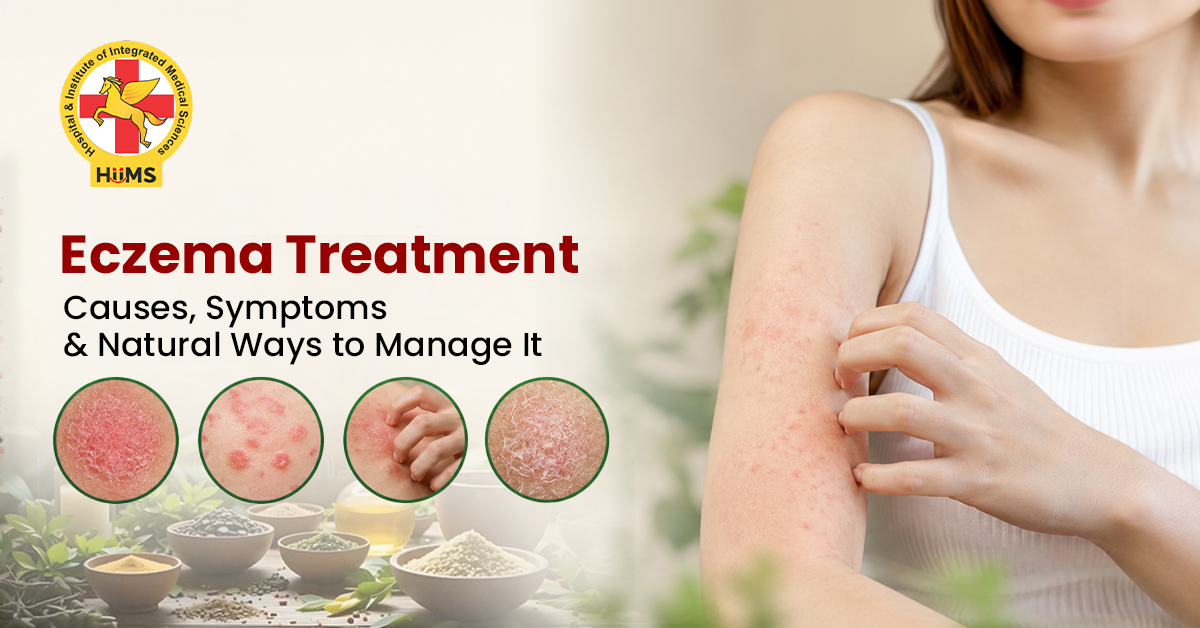

Eczema is a skin condition that often brings dryness, itching and irritation. The affected skin may also look red, rough or swollen, depending on the type of eczema and the person who has it. Some people notice the problem during a particular season or after coming in contact with something that irritates the skin. For others, it may return from time to time without an obvious reason. Eczema does not spread through touch because it is not contagious. Atopic dermatitis is one of the common forms of eczema, though eczema can appear in several other forms too. Learning about these symptoms and possible triggers can help a person understand their skin better and choose suitable eczema treatment.
The cause of eczema is not always clear. In some people, family history may have a part to play, while dry skin, weather, stress or certain products may make the condition worse. A person’s skin can also react differently from someone else’s. For this reason, noticing changes in the skin and keeping away from known irritants is often helpful. A gentle skin care routine, regular moisturising and healthy daily habits may provide better comfort. This article discusses the common causes, symptoms and simple care measures that can be followed when dealing with eczema.
Table of Contents
What Is Eczema?
Eczema means a group of skin conditions that can leave the skin dry, itchy and inflamed. Atopic dermatitis is one of its common forms. It may start in the early years of life, but it is not limited to children. Adults can have it too. The symptoms may settle for some time and later return when a flare-up occurs.
The skin has its own protective barrier on the outside. This barrier helps the skin retain moisture and also protects it from irritants around us. In people with eczema, this barrier may not function as well as it should. Because of this, moisture can escape from the skin and the skin may react more easily to the certain irritants.
So, caring for eczema involves more than looking after the rash alone. Keeping the skin comfortable and noticing the things that bring on a flare up can also be an important part of eczema treatment.
Common Causes of Eczema
Eczema does not have one fixed cause, as genes, the immune system, the skin barrier and family history of eczema, asthma or hay fever may all have a role in its development.
Some common things that can trouble eczema-prone skin include:
- Harsh soaps and washing products
- Perfumes and scented skin products
- Dust and pollen
- Rough clothing materials
- Extreme heat or cold
- Heavy sweating
- Lack of moisture in the air
- Stress and tension
- Certain skin infections
- Products that cause skin irritation
Since eczema triggers vary from person to person, noticing when symptoms worsen can help identify personal triggers and distinguish them from other skin diseases.
Symptoms of Eczema
Eczema can look different depending on the person’s skin tone, age, and type of eczema. The most common complaint is itching. Scratching may then make the skin more irritated and damaged.
Common symptoms include:
- Dry and rough skin
- Persistent itching
- Red, brown, purple or grey patches
- Small bumps
- Scaly or thickened skin
- Cracks in the skin
- Swelling
- Blisters that may leak fluid
- Raw skin after repeated scratching
- Changes in skin colour after the rash settles
When eczema continues for a long time, repeated scratching can make the skin thicker and more leathery.
Some people may mistake eczema for other skin problems because several conditions can cause itching and rashes. A proper assessment is therefore useful when the symptoms are new, severe, or do not improve with basic care.
Simple Care Tips for Eczema
When the skin is irritated, everyday care becomes quite important. Keeping the skin moisturised and staying away from the things that cause irritation can help make it feel more comfortable.
1. Keep the Skin Moisturised
Eczema can leave the skin very dry, which may make the itching more troublesome. Using a suitable fragrance free cream or ointment after a bath helps add moisture back to the skin. It is better to moisturise regularly rather than waiting for the skin to become very dry.
2. Avoid Very Hot Water
Long and hot showers can make already dry skin even drier. A short bath or shower with comfortably warm water is a better choice. After bathing, gently pat the skin dry rather than rubbing it harshly. Applying moisturiser while the skin is still slightly damp can help retain moisture.
3. Choose Gentle Products
Strong soaps, perfumes and fragranced skin products may irritate sensitive skin. Whenever possible, choose simple, fragrance free products with the gentle herbal ingredients that are suitable for your skin.
4. Wear Comfortable Clothes
Soft cotton clothes can be more comfortable for sensitive skin, while tight and rough fabrics may increase irritation.
5. Try Not to Scratch
Scratching may give temporary relief from itching, but doing it often can harm the skin. It may leave the area sore, irritated and more open to the infection. Keeping the nails short and gently rubbing the itchy spot can help reduce the damage.
Ayurveda and Its Approach to Eczema Treatment
Ayurveda gives importance to food, digestion, daily routine, sleep, and overall balance. From this point of view, skin health is not considered separately from the rest of the body. A person’s food habits, routine and individual constitution may be considered while planning supportive care.
At Jeena Sikho HiiMS, the approach may include suitable changes in diet, lifestyle, skin care and some Ayurvedic practices, depending on the needs of the person. Every person may not need the same kind of care, so the overall health and daily routine are also taken into consideration.
Simple things like having meals on time, drinking enough water, sleeping properly and keeping stress under control can be helpful for general wellbeing. Still, it is better not to remove important foods from the diet suddenly or begin herbal preparations without proper guidance. Changes in food and routine should be made according to the person’s needs and professional advice.
Food and Lifestyle Habits That May Help
Food habits can be different from one person to another, so there is no fixed diet for everyone with eczema. Food may be a trigger for some people, but this does not happen in every case. Avoiding foods without knowing the actual reason may also make the diet unnecessarily limited.
A balanced routine may include:
- Freshly prepared home-cooked meals
- Seasonal fruits and vegetables
- Plenty of water
- Regular timings for meals
- Enough sleep at night
- Light exercise
- Time for rest and relaxation
- Avoiding personal triggers
Stress may affect the skin in some people, especially when eczema is already active. Going for a walk, doing yoga, practising simple breathing exercises or spending some quiet time can make the routine feel easier.
When Should You Seek Professional Guidance?
Not every itchy rash is eczema. Professional guidance is important when symptoms continue, become severe or keep returning. A skin specialist can examine the affected area and ask about the symptoms, family history and the possible triggers.
Some changes in the skin need more attention than usual. Pain, swelling, unusual warmth, crusting or fluid coming from the skin may indicate an infection. If pus is present, or the flare up becomes suddenly worse, do not leave it unattended. Feeling unwell along with these changes is another reason to seek professional guidance.
Conclusion
Eczema can be uncomfortable, but careful daily skin care and the right approach to eczema treatment can make it easier to manage. Keeping the skin moisturised, avoiding harsh products, wearing comfortable clothes and maintaining a balanced routine are useful steps. Ayurveda may offer supportive guidance through personalised attention to food, lifestyle and overall balance, but the approach should be chosen according to individual needs.
Jeena Sikho HiiMS follows an integrated approach for skin related concerns. If skin problems keep coming back or the symptoms are not settling, a VOPD consultation can help you know what care may be suitable for you. Taking care of the skin needs regular attention, along with a little patience and understanding of what suits your body.
FAQs
Q.1 Is eczema contagious?
Ans. No, eczema is not contagious and does not spread from one person to another through physical contact.
Q.2 What are the common symptoms of eczema?
Ans. Common symptoms include itching, dry skin, redness, rough patches, swelling, cracks, and sometimes small fluid-filled blisters.
Q.3 What can trigger an eczema flare-up?
Ans. Weather changes, stress, harsh soaps, fragrances, sweating, dry air, and certain personal triggers may worsen symptoms.
Q.4 Does scratching make eczema worse?
Ans. Repeated scratching can damage the skin and may increase irritation or the risk of infection.
Q.5 Can certain soaps irritate eczema?
Ans. Yes, strong soaps, perfumes, and fragranced products may irritate sensitive skin and worsen discomfort.
Disclaimer: The information provided on this blog is for general educational and informational purposes only. It is not intended to replace professional medical advice, diagnosis, or treatment. Always consult a qualified healthcare professional before making any changes to your diet, lifestyle, or treatment plan. Individual results may vary.