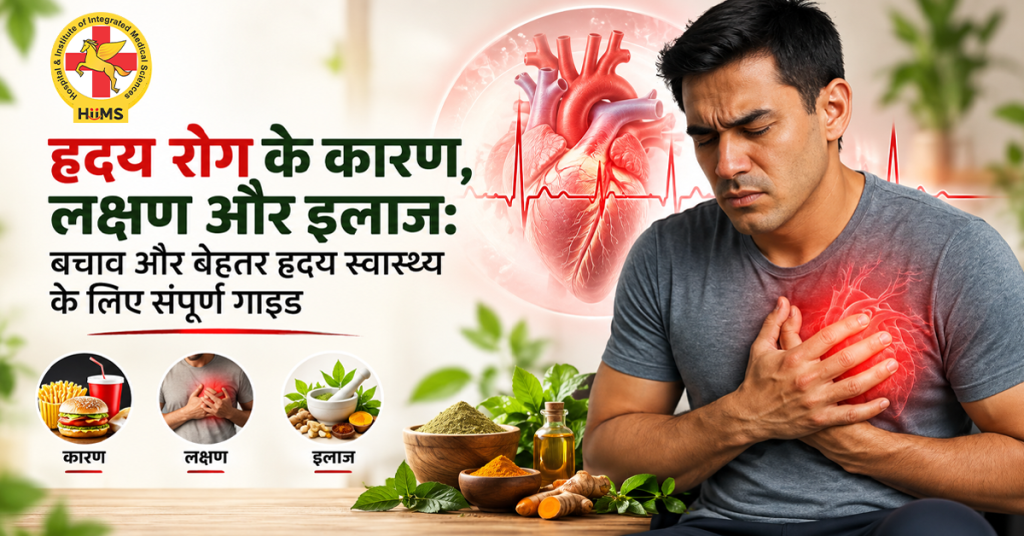
A busy day can make tiredness feel normal. A little breathlessness after climbing stairs may seem like a sign that you need more exercise, while mild chest discomfort is sometimes blamed on acidity or stress. But the problem starts when these changes keep returning and you continue treating them as part of everyday life.
Heart problem symptoms can take different forms, and not every person experiences the same warning signs before a serious cardiac problem. Paying attention to a new or unusual change in your body gives you a better reason to seek timely medical advice instead of guessing what it means. Understanding the difference between an ordinary complaint and a symptom that needs attention can make heart health easier to manage.
In this blog, we will look at the heart problem symptoms worth noticing, when they need urgent attention, and how Ayurveda can complement a heart-friendly lifestyle.
What Are the Early Signs of Heart Problems?
The early signs of heart problems do not always arrive as severe pain. Sometimes, the first change is that your usual walk leaves you unusually tired, or you become breathless doing a task that never troubled you before. You may also notice discomfort that comes and goes, dizziness or an unusual heartbeat. These changes can have many causes, so they do not confirm heart disease on their own. However, repeated or unexplained symptoms deserve proper medical assessment rather than being dismissed as routine tiredness.
Heart Problem Symptoms You Should Not Ignore
Knowing the common heart disease symptoms can help you recognise when something feels different from your normal health. The following signs are particularly important when they appear suddenly, repeatedly, or together.
Chest Pressure, Tightness or Discomfort
Heart-related chest discomfort does not always feel like sharp pain. It may feel like pressure, heaviness, squeezing, fullness or an uncomfortable sensation in the centre of the chest. If the feeling lasts for several minutes, returns after settling, or appears during physical activity, it should not be casually blamed on indigestion.
Breathlessness During Routine Activities
Getting out of breath after strenuous exercise can be expected, but unexplained breathlessness during a normal walk, household task or climb up the stairs deserves more attention. Shortness of breath may occur with chest discomfort or without it, which is why it remains one of the important symptoms of heart problems to understand.
Unusual Fatigue or Weakness
Everyone feels tired after a demanding day, but a noticeable drop in your usual energy is different. If ordinary activities suddenly leave you exhausted, especially when you have had enough sleep, pay attention to the pattern. Unusual fatigue can occur with several health conditions, so a medical assessment can help identify its actual cause.
Pain That Moves Beyond the Chest
Discomfort linked to a cardiac problem can sometimes be felt in the arm, shoulder, back, neck or jaw rather than staying in the chest. This is one reason people may overlook certain heart disease symptoms and connect them with muscle strain or another everyday problem. New, unexplained pain accompanied by breathlessness or chest discomfort needs immediate attention.
Dizziness, Cold Sweating or Nausea
Sudden lightheadedness, cold sweating or nausea can be easy to mistake for weakness, anxiety or a stomach problem. When these symptoms appear together with chest discomfort, breathlessness or unusual weakness, they become more concerning. These are among the warning signs of heart disease that should not be ignored when they occur unexpectedly.
Unusual Heartbeat or Palpitations
A racing, fluttering or irregular heartbeat can feel strange and sometimes alarming. Occasional palpitations may have several possible causes, but repeated episodes, especially when accompanied by dizziness, breathlessness or chest discomfort, deserve professional evaluation rather than self-diagnosis.

What Does Research Say About Heart Disease?
Research shows that cardiovascular disease is the leading cause of death worldwide. According to the World Health Organization (WHO), heart attacks and strokes account for about 85% of CVD deaths. Risk can be reduced through a healthy diet, regular physical activity, avoiding tobacco, and controlling blood pressure, blood sugar, and cholesterol.
According to the CDC, a heart attack is a medical emergency caused by reduced or blocked blood flow to the heart. Prompt medical treatment is essential, followed by prescribed medicines, lifestyle changes, and cardiac rehabilitation to support recovery and reduce the risk of another heart attack.
How Ayurveda Looks at Long-Term Heart Wellness
Ayurveda views Hridaya as an important centre connected with vitality and circulation, and its approach to wellness gives considerable attention to daily habits. Rather than focusing only on one symptom, Ayurveda encourages attention to Ahara (food), Vihara (lifestyle), regular routines, adequate rest and emotional balance.
These principles can become part of a broader heart-health plan when used appropriately. Ayurveda should not be presented as a replacement for emergency cardiac treatment; instead, its lifestyle-focused approach can complement medical care and help a person work towards healthier daily choices.
Ayurveda and Integrated Heart Care at Jeena Sikho HiiMS
At Jeena Sikho HiiMS, the approach to healthcare brings Ayurveda and natural wellness practices together with medical consultation and appropriate assessment. If you have recurring symptoms of heart problems, it is important to understand their cause before beginning any self-treatment. A professional consultation can help determine whether your symptoms require further investigation and which supportive lifestyle measures may be suitable for you.
When Heart Symptoms Need Immediate Medical Attention
Some warning signs of heart disease should never be handled by waiting at home to see whether they disappear. Sudden or persistent chest pressure, severe breathlessness, pain spreading towards the arm, back, neck or jaw, fainting, cold sweating or a combination of these symptoms can require urgent medical care.
Even when you are uncertain about the cause, it is safer to seek emergency medical help than to delay because the discomfort seems manageable. Tests such as an ECG and other clinical assessments can help doctors understand what is happening.
Conclusion
Knowing the heart problem symptoms that deserve attention does not mean becoming worried about every ache, tired evening or skipped heartbeat. It means becoming more aware of changes that are unusual for you and knowing when they deserve a medical opinion.
Chest discomfort, breathlessness, unexplained weakness, spreading pain, dizziness and other symptoms of heart problems can have different causes, but ignoring a persistent or sudden change can delay the care you may need. Along with timely medical evaluation, balanced food, regular movement, proper sleep and stress management can form a sensible foundation for long-term heart wellness.

If you are experiencing recurring symptoms or have concerns about your heart health, you can also opt for a VOPD consultation with expert doctors at Jeena Sikho HiiMS and discuss your health concerns before choosing any treatment.
FAQs
Q1: What are the first symptoms of a heart problem?
Chest discomfort, unusual breathlessness, sudden fatigue, dizziness, palpitations and unexplained pain in the upper body can be among the symptoms that need medical attention.
Q2: Can heart problems cause tiredness?
Unusual or persistent fatigue, particularly when it is new and occurs with other symptoms, can sometimes be associated with heart conditions and should be medically assessed.
Q3: Can heart problems happen without chest pain?
Some people may experience less typical symptoms such as breathlessness, nausea, unusual weakness, dizziness or discomfort in the back, jaw or arms.
Q4: When should I seek medical help for heart symptoms?
Sudden chest pressure, severe breathlessness, fainting, cold sweating or pain spreading to the upper body calls for immediate medical attention rather than waiting for symptoms to settle.
Q5: How can Ayurveda support heart wellness?
Ayurveda can complement a healthy lifestyle through suitable food choices, daily routines, movement, relaxation and personalised care under appropriate professional guidance
Ayurvedic Heart Care Products
100% natural, certified Ayurvedic formulations crafted for targeted heart wellness.



Disclaimer: The information provided on this blog is for general educational and informational purposes only. It is not intended to replace professional medical advice, diagnosis, or treatment. Always consult a qualified healthcare professional before making any changes to your diet, lifestyle, or treatment plan. Individual results may vary.