
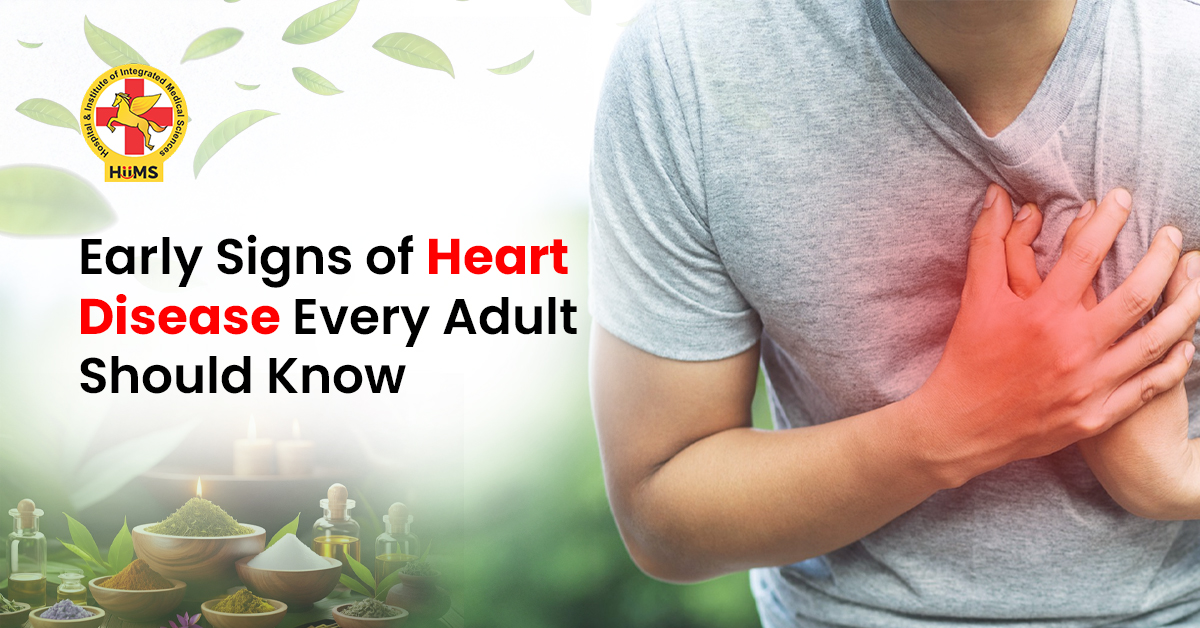
Most heart problems do not begin with any loud warnings; they start very quietly. Like a little tiredness that feels new, a strange heaviness in the chest that goes away after rest. Slight breathlessness that was never there before, normally. Many adults ignore these changes because life feels busy, and the discomfort does not seem serious enough. This is how heart disease slowly settles in.
In India, heart concerns are increasing, especially among people between forty and sixty years of age. Long work hours, irregular meals, disturbed sleep, and constant mental pressure affect the heart more than most people realise. The body gives early signals, but they often feel confusing and easy to ignore. These are the early signs of heart disease that deserve attention, not fear.
In this blog, you will discover how to notice these early changes, understand common heart-related signals, and know when it is time to act instead of waiting.
Why Early Detection of Heart Disease Matters
Heart disease grows step by step. It does not appear suddenly in one day. Small heart disease symptoms usually appear first, but many people push them aside, calling them gas, weakness, or stress. When this happens repeatedly, the heart continues to work under pressure without support.
Early detection helps in slowing damage. Early care helps people change daily habits, follow medical guidance, and understand their body better. Spotting the warning signs of heart disease early often avoids emergencies and supports smoother recovery.
Early Signs of Heart Disease That Should Never Be Ignored
Chest Discomfort That Feels Unusual
Chest discomfort does not always mean sharp pain. Many adults describe it as pressure, tightness, or a heavy feeling. It may spread toward the arm, neck, or back. This type of discomfort often appears during physical effort or emotional stress and settles with rest. These are common symptoms of heart problems and should never be ignored.
Shortness of Breath During Routine Activities
Feeling breathless while climbing stairs, walking short distances, or even while resting is a serious signal. It happens when the heart cannot pump blood properly, leading to fluid pressure in the lungs. This is one of the most noticed heart disease symptoms in adults.
Unexplained Fatigue and Weakness
This tiredness feels unlike normal fatigue. Even after proper sleep, the body stays heavy and weak. Small activities start to feel tiring. Poor circulation reduces oxygen supply, which often causes this early in heart-related problems.
Irregular Heartbeat or Palpitations
A fluttering or fast heartbeat may appear at times and then settle. Occasional changes can be normal, but frequent palpitations need attention. These sensations often signal rhythm imbalance and serve as early warning signs of heart disease.
Dizziness or Sudden Light-headedness
Feeling faint without a clear reason can signal reduced blood flow to the brain. This symptom becomes more concerning when it appears along with chest discomfort or palpitations.
Swelling in Legs, Ankles, or Feet
Swelling usually means fluid accumulation. When the heart struggles to pump blood efficiently, fluid collects in the lower limbs. This is closely linked to long-term heart blockage symptoms.
Persistent Cough or Breathing Discomfort
A cough that does not settle, especially while lying down, may point to fluid build-up in the lungs. People often mistake it for a seasonal problem, while the heart continues to stay under strain.
Nausea, Indigestion, or Upper Stomach Discomfort
Digestive discomfort sometimes hides heart trouble. Many people treat it as acidity, but in some cases, it reflects underlying heart disease symptoms, especially when combined with sweating or fatigue.
Pain in Jaw, Neck, Back, or Arms
Heart-related pain does not always stay in the chest. Pain in the jaw, shoulder, or arms often appears due to circulation issues. These patterns commonly show up in heart attack early symptoms.
High Blood Pressure as a Silent Warning
High blood pressure rarely leads to pain. Yet it quietly damages arteries and increases heart workload. Regular monitoring helps prevent severe heart blockage symptoms later.
Why Heart Disease Symptoms Often Get Missed
Many symptoms of heart problems look similar to stress, digestion trouble, or aging. People delay doctor’s advice, hoping the discomfort will pass. Another reason is that symptoms usually appear together, not alone, which makes them harder to recognise clearly.
When to Seek a Doctor Without Delay
Chest pressure that returns, sudden breathlessness, repeated dizziness, or swelling should never be delayed. Early evaluation prevents complications and protects heart function. Ignoring the early signs of heart disease often leads to avoidable damage.
Simple Steps Adults Can Take to Protect Heart Health
- Listening to the body is the first step.
- Regular health checks, proper sleep, simple meals, and emotional balance support heart function.
- Ayurveda focuses on digestion, circulation balance, and daily routine correction, so following the guidance of an Ayurvedic expert can be helpful.
Conclusion
The early signs of heart disease appear quietly, but they matter deeply. The heart shows signs much before a crisis happens. Acting early reduces fear, panic, and rushed choices later. Balanced care, timely guidance, and steady habits help keep the heart strong.
When symptoms feel confusing or keep coming back, professional guidance brings clarity. For organised heart care and lifestyle support, consult Jeena Sikho HiiMS Panchkula by calling +91 87920-87920 or emailing care@jeenasikho.com to begin your heart care journey.

FAQs
Q1: What are the common early signs of heart disease?
The early signs of heart disease include chest pressure, breathlessness, fatigue, palpitations, and swelling in the legs.
Q2: Can heart disease symptoms feel mild at first?
Many heart disease symptoms start mildly and increase slowly, which makes them easy to ignore.
Q3: How do heart blockage symptoms usually appear?
Heart blockage symptoms often show as chest discomfort, jaw or arm pain, breathlessness, and reduced stamina.
Q4: Are heart attack early symptoms the same for everyone?
Heart attack early symptoms vary and may include nausea, sweating, fatigue, or unusual pain patterns.
Q5: When should adults consult a doctor for heart concerns?
Consultation becomes necessary when symptoms of heart problems repeat, worsen, or appear without a clear cause.