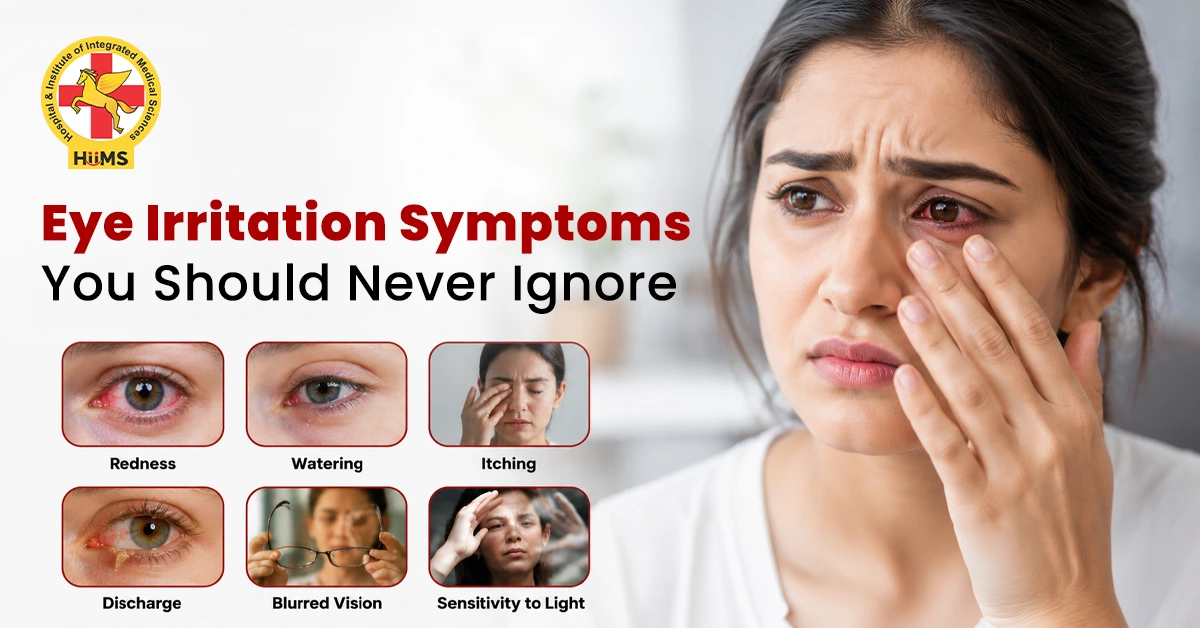

Eyes are among the most important parts of the body. They don’t just help you see things; they quietly become a part of everything you experience. From the moment you wake up to the time you fall asleep, they stay active without asking for much in return. You notice colours, faces, small details, and even expressions. Most of it happens so naturally that you don’t really think about it. Until something feels off, and you begin to notice early eye irritation symptoms.
Maybe one day there’s slight irritation. A bit of redness. A feeling that your eyes are tired even when you haven’t done much. It doesn’t seem serious, so you ignore it. Most people do. But eye irritation does not always stay limited to mild discomfort. In some cases, what feels like a small issue at the beginning can slowly turn into something that needs attention.
That is why understanding eye irritation symptoms and possible eye irritation causes becomes important. Knowing what can be ignored and what should not be delayed can actually protect your vision over time.
How Does Eye Irritation Happen?
Eye irritation can develop due to different reasons. Sometimes it is something external like the dust, smoke, or pollution entering the eyes. Other times, it may be linked to dryness, infection, or long hours of screen exposure. The surface of the eye depends on proper moisture and balance. When that balance is disturbed, eye discomfort symptoms start appearing in different forms.
Normal Discomfort vs. Medical Emergency
Not every irritation is serious. Mild redness after a long day, slight itching due to the dust, or temporary dryness is quite common. These usually settle with rest or simple care. However, if the eye irritation symptoms feel unusual, intense, or do not improve with time, so they should not be ignored. The body often signals early, but those signs are easy to overlook.

What Are the Major Eye Irritation Symptoms?
Certain symptoms indicate a greater need for medical treatment:
- Sudden decrease or change in vision: you may experience suddenly blurry vision or a sudden difficulty in focusing or double vision.
- Deep, severe and throbbing eye pain: normal irritation does not normally cause sharp or continuous pain.
- Increased light sensitivity (photophobia): normal levels of light begin to be uncomfortable.
- Seeing rainbow circles around lights: the appearance of halos or rainbow-coloured rings of light, often accompanied by nausea, is not a normal symptom.
- Sticky green or yellow discharge: eyelids sticking together after sleep or a sticky substance coming from the eyes is not normally encountered in irritation.
- Sensation of a foreign body: the feeling that there is a foreign body stuck in the eye which doesn’t go away after a flush may suggest a scratch or damage to the surface of the eye.
These irritated eye symptoms are those that should not be left untreated if they are severe or prolonged.
Also Read: Fungal Eye Treatment
Common Eye Irritation Causes: What’s Behind The Discomfort?
Understanding eye irritation causes helps identify the reason behind the symptoms:
- Environmental triggers: Dust, smoke, strong wind, and pollution can irritate the eyes quickly.
- Digital Eye Strain: Spending a long time on the screen with no break may result in dryness, heaviness, and an irritated feeling.
- Allergy or infection: Symptoms of eye allergy are red and itchy eyes; eye infection involves discharge from eyes and swollen eyes.
- Dry eyes syndrome: lack of moisture in the eyes causes irritation, itching, stinging and burning sensations.
Modern Treatments for Eye Irritation: Are They a Permanent Solution?
Most people just grab for immediate fixes such as eye drops.
- The short-term fix of chemical eye drops: they may offer relief but they do not seem to tackle the real issue.
- The limitation of present-day medicine: often the symptoms are just controlled and there is no attempt to understand why they are still appearing.
The Ayurvedic Approach: Safe, Natural and Long-Term Healing
Ayurveda considers the eye discomfort symptoms in a wider context. Instead of simple relief of the symptoms, Ayurveda sees the body as an integrated whole. Root-cause relief over the temporary relief. The body is rebalanced rather than the irritation being soothed.
Time-tested ingredients for the wellness of the eyes. Herbs and practices which bring comfort to the eyes over time. At places like Jeena Sikho HiiMS, the approach often focuses on understanding the body as a whole rather than treating eye irritation in isolation.

Conclusion
Most of the time, eye irritation starts small, and that is why it gets ignored. But sometimes, those small signs are not just temporary. Certain eye discomfort symptoms may need attention before they grow further. Being aware of these changes can help you take the better care of your eyes. If something feels unclear, a VOPD consultation at Jeena Sikho HiiMS can help you understand what step to take next.
FAQs
Q1. Can eye irritation be related to something inside the body?
Sometimes it can be. If it keeps coming back without a clear reason, it’s not always just about dust or screens.
Q2. Why do my eyes feel more irritated later in the day?
Your eyes go through a lot during the day. By night, the strain and dryness just become more noticeable.
Q3. Can rubbing your eyes increase the irritation?
It gives short relief, but over time it can make irritation worse instead of better.
Q4. Can I ignore it if it’s not very serious?
If it’s once in a while, it may not be serious. But repeated irritation shouldn’t be ignored.
Q5. When should I start taking it seriously?
If symptoms are recurrent or a discomfort/visual nuisance, then this situation may need to be reviewed.

Disclaimer: The information provided on this blog is for general educational and informational purposes only. It is not intended to replace professional medical advice, diagnosis, or treatment. Always consult a qualified healthcare professional before making any changes to your diet, lifestyle, or treatment plan. Individual results may vary.