
You go for a routine health check-up, get an ultrasound done and find out that you have fatty liver. You might not even have noticed anything unusual about your health, but the report comes as a surprise. Naturally, the first question that comes to mind is whether the condition can go away or whether your liver will keep getting worse.
And there is good news. Fatty liver can often improve, especially when you identify it before significant scarring develops. But recovery does not happen in the same way for everyone. Your eating habits, blood sugar levels, physical activity, alcohol intake and the extent of liver damage all matter.
Looking after your liver doesn’t mean changing everything at once. Small changes to your daily habits can be a good place to start. Understanding what caused the fat to build up, getting the right tests and making changes you can follow every day are sensible places to begin.
We’ll look at how fatty liver can improve, what studies have found about liver recovery, and how Ayurveda approaches the condition. We’ll also discuss Panchakarma and what to consider before starting any treatment.
Can Fatty Liver Be Reversed?
Yes, fatty liver can often be reversed or improved, but the chances depend on how much damage the liver has already developed.
When fat collects in the liver without significant inflammation or scarring, it can often decrease with appropriate lifestyle changes. Even people who have developed inflammation or early fibrosis may see improvements when the underlying causes are managed. With advanced cirrhosis, scar tissue builds up over time and changes the liver’s normal structure. At this stage, the damage is much harder to reverse.
Here is how the perspective generally differs:
- Simple fatty liver: Fat accumulation can often decrease when the person makes suitable changes to their diet, activity levels and other contributing factors.
- Fatty liver with inflammation: When fat build-up starts to damage liver cells, the condition needs proper attention. The right treatment, along with changes in eating habits and daily activity, may help the liver improve.
- Early fibrosis: Some liver scarring may regress, although this does not happen in every patient.
- Advanced cirrhosis: Complete reversal is uncommon. The focus is on preserving liver function and preventing further complications.
Research has found a clear correlation between weight loss and improvements in fatty liver among people who are overweight. Even a small change in weight can help if you have fatty liver and are overweight. Losing about 5% of your body weight may lower the fat stored in your liver. Losing more weight may help bring down inflammation, and some people also see an improvement in liver scarring when they lose 10% or more. These figures are useful benchmarks but not a guarantee of recovery.
Weight loss is not the only consideration, either. Someone with diabetes, high cholesterol or alcohol-related liver damage will also need to address those factors.
At Jeena Sikho HiiMS, patients can discuss their reports, current health concerns and available treatment options with the medical team. Any Ayurvedic treatment should be selected after an individual assessment and used alongside appropriate medical care.
To understand why fatty liver improves in some people but progresses in others, we first need to look at what happens inside the liver.
Understanding Fatty Liver Disease: Causes, Symptoms and Risk Factors
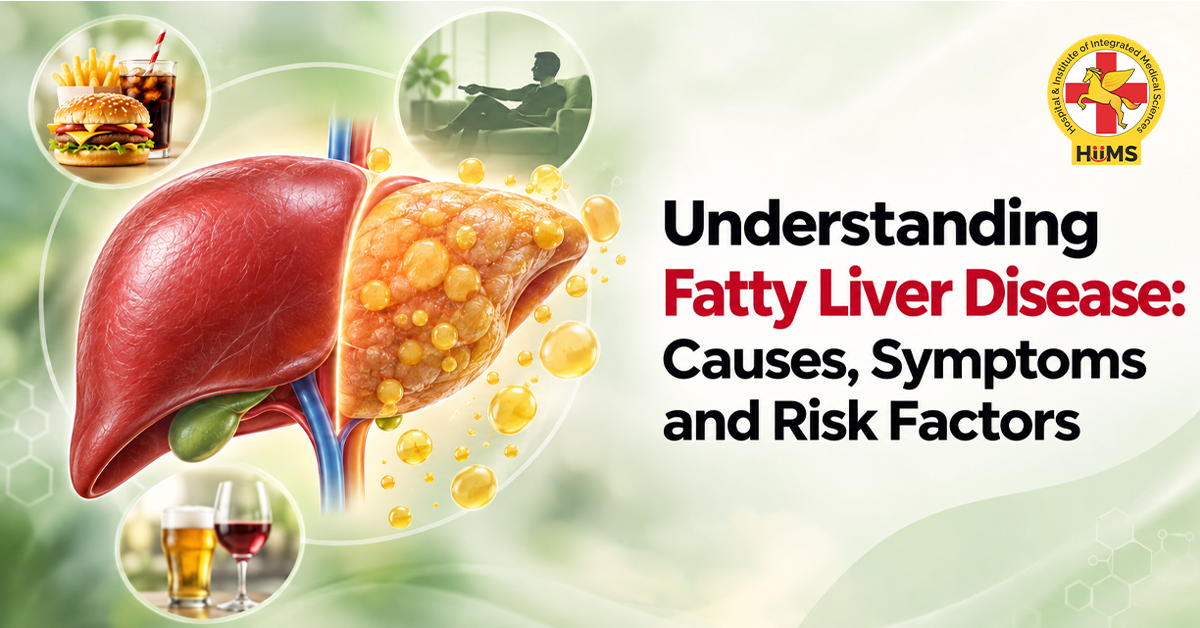
Fatty liver means that more fat than usual has collected inside your liver cells. The condition can develop even when you feel well, which is why some people first learn about it during an ultrasound or a routine health check-up.
The name used for this condition has changed in recent years. Since 2023, doctors have used MASLD (metabolic dysfunction-associated steatotic liver disease) for a common type of fatty liver associated with metabolic problems. You may still see the older name, NAFLD, in earlier research and medical reports. When the liver develops inflammation and cell damage along with fat build-up, the condition is called MASH, formerly known as NASH.
What is important is that body weight alone does not explain every case. A person can have fatty liver because of problems with blood sugar, cholesterol or other factors affecting the body’s metabolism.
Why Does Fat Build Up in the Liver?
One common factor is insulin resistance. This means that the body’s cells do not respond to insulin as well as they should, making it harder to manage blood sugar. Insulin resistance can also change how the body stores and processes fat.
Other factors that may increase the chances of developing fatty liver include:
- Fat around the waist: Abdominal fat is closely linked to insulin resistance and metabolic problems.
- Type 2 diabetes: When the body struggles to control blood sugar, extra fat can start building up in the liver.
- High triglycerides and cholesterol: Abnormal blood fat levels often occur alongside fatty liver.
- High blood pressure: This frequently occurs with other metabolic conditions.
- Food habits: Frequent sugary drinks, sweets, refined-flour snacks and heavily processed foods can contribute to poor metabolic health.
- Low physical activity: Spending most of the day sitting can make it harder to maintain good metabolic health.
- Alcohol use: Drinking alcohol can lead to fat building up in the liver. If the damage continues, the liver may develop inflammation and scar tissue.
Fatty liver can also affect people who are not overweight. Doctors sometimes refer to this as lean MASLD. It can occur when a person has metabolic problems or other contributing factors despite having a normal body weight.
This thing is particularly important in India, where a person’s body weight alone may not tell the whole story about their metabolic health.
So, if your report shows fatty liver, do not assume that losing weight is the only thing you need to do. A fatty liver report doesn’t tell the whole story. Your doctor will also need to check your blood sugar and cholesterol, ask about your medical history and alcohol use, and look for other factors that could be affecting your liver.
The Stages of Fatty Liver: How Much Recovery Is Possible?
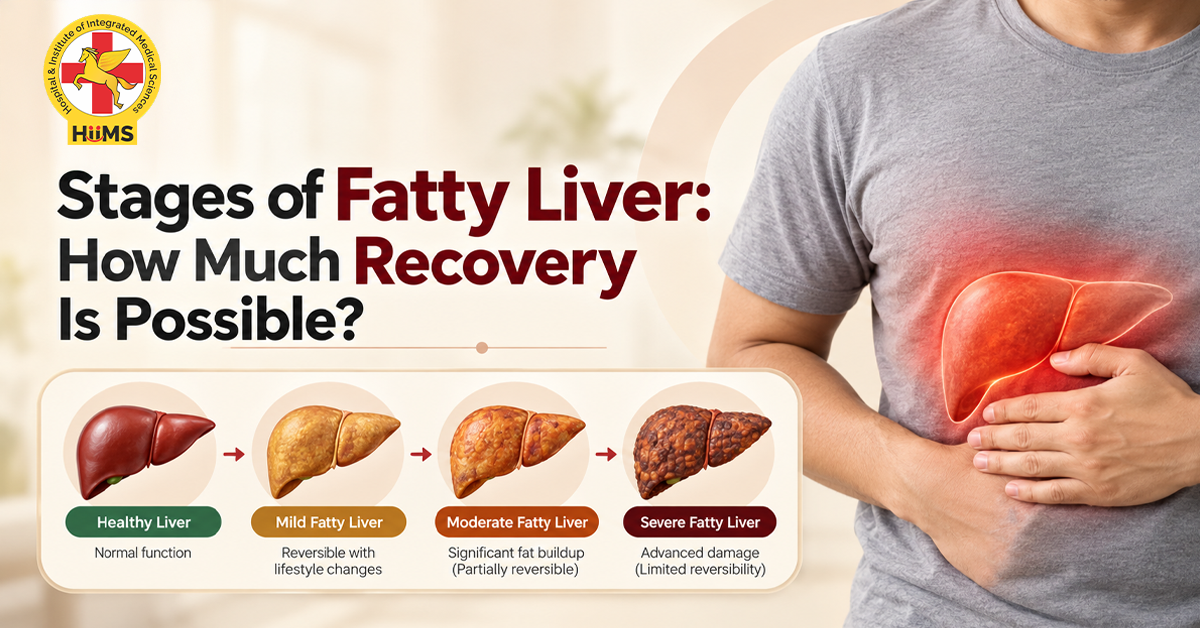
The words ‘fatty liver’ can describe different levels of liver damage. Some people have fat accumulation without significant injury, while others develop inflammation and scar tissue.
It is also worth understanding that fatty liver does not always move through four clearly defined stages. Doctors assess fat accumulation, inflammation and fibrosis separately because these findings help determine the treatment and follow-up a patient needs.
1. Early-Stage Fatty Liver
At this stage, fat collects inside liver cells without significant inflammation or scarring.
The condition often produces no noticeable symptoms. For many people, it comes to light during an ultrasound done for another reason.
This stage generally offers a good opportunity for improvement. If excess body weight, insulin resistance or food habits contribute to the problem, addressing those factors can help the liver process and store fat more normally.
2. Fatty Liver With Inflammation
In some people, fat accumulation is accompanied by inflammation and injury to liver cells. This is known as MASH.
Without appropriate care, the condition can lead to scarring over time. However, progression is not inevitable, and treatment can improve liver health in many patients.
3. Liver Fibrosis
Fibrosis develops when repeated liver injury leads to scar tissue forming inside the liver.
The amount of scarring is crucial. People with early fibrosis may experience improvement when the underlying cause is treated, but recovery becomes less predictable as damage increases.
A study published in 2015 followed people with fatty liver disease during a year of lifestyle changes. The researchers found that those who lost more weight generally experienced greater improvements in liver inflammation. Some also showed a reduction in fibrosis.
4. Liver Cirrhosis
Cirrhosis is advanced scarring that changes the structure of the liver and can interfere with its normal functions.
At this stage, the goal is to prevent further damage, manage complications and preserve the liver function that is still present. Some patients may experience improvements in liver function when the underlying cause is controlled, but advanced cirrhosis is not usually completely reversible.
Worried about your liver report? A consultation with an experienced Ayurvedic doctor can help you understand what your results mean and whether you need additional testing.
What Research Says About Fatty Liver Reversal?
One question comes up repeatedly after a fatty liver diagnosis: how much change is actually needed to improve the condition?
A useful answer comes from a clinical study published in 2015 in Gastroenterology. Researchers followed 293 people with fatty liver disease who took part in a lifestyle intervention lasting 52 weeks. Follow-up liver biopsies were available for 261 participants.
The study found that improvements in liver health were associated with the amount of weight people lost.
Among the participants who lost at least 5% of their body weight, 58% experienced a resolution of steatohepatitis, while 82% had a substantial improvement in their liver activity scores.
The results were even more positive among those who lost at least 10% of their body weight. Around 90% experienced resolution of steatohepatitis, and 45% showed regression of fibrosis.
These results help explain why doctors often recommend sustained weight loss for people who have excess body weight and fatty liver.
However, there is an important detail here. These percentages describe the findings in a particular study group. They do not mean that everyone who loses 5%, 7% or 10% of their weight will have the same outcome. A person’s age, diabetes status, stage of liver disease and other health factors can all affect the result.
You can read the research here: Weight Loss Through Lifestyle Modification Significantly Reduces Features of Nonalcoholic Steatohepatitis.
Does Exercise Help Even if You Do Not Lose Weight?
Yes. Exercise can reduce liver fat and improve metabolic health even when the weighing scale does not change much.
For example, a person who spends most of the day sitting may start taking a brisk walk for 20–30 minutes on most days. Over time, this can help improve the way the body manages blood sugar and uses energy.
Current European guidelines recommend regular physical activity for people with MASLD. A commonly suggested target is more than 150 minutes of moderate-intensity exercise a week, adjusted to the person’s fitness and medical condition.
Brisk walking, cycling and swimming are practical choices for many people. You can also combine aerobic activity with suitable strength exercises.
The most important aspect is consistency. An exercise routine that fits your daily life is often easier to maintain than an intensive plan that you abandon after a few weeks.
What Is Actually Causing Your Fatty Liver?
Two people can receive the same ultrasound report but need different treatment plans.
One might have type 2 diabetes and excess abdominal fat. Another may have high triglycerides but a normal body weight. A third might have a history of regular alcohol consumption.
Although their reports may look similar, the factors contributing to their liver problems are not necessarily the same.
The Connection Between Sugar, Insulin and Liver Fat
When you eat, your body breaks down food and uses the nutrients for energy. Your liver also helps regulate the amount of sugar and fat circulating in your blood.
Problems can develop when the body becomes less responsive to insulin. More fat may reach the liver from body fat stores, and the liver may also make additional fat from nutrients.
Frequent consumption of sugary drinks and foods high in added sugar can add to this burden, particularly when the overall diet contains more energy than the body needs. It does not mean you must stop eating every food that contains carbohydrates. Whole grains, pulses, vegetables and whole fruits can remain part of a balanced diet.
Why Diabetes and Cholesterol Need Attention?
Fatty liver often occurs alongside type 2 diabetes, high triglycerides and other metabolic problems.
If these conditions remain poorly controlled, managing liver fat may become more difficult. For this reason, a complete care plan should address more than the ultrasound finding.
Your doctor may recommend checking:
- ALT and AST, which are liver enzymes that can rise when liver cells are injured.
- Fasting glucose and HbA1c to assess blood sugar.
- A lipid profile to check cholesterol and triglycerides.
- Blood pressure and waist circumference.
- Fibrosis scores or Fibro Scan when an assessment of liver scarring is needed.
Normal liver enzyme results do not rule out fatty liver or advanced fibrosis. Doctors interpret the results alongside other findings rather than relying on one blood test.
How Does Ayurveda Explain Fatty Liver?
In Ayurveda, digestion and metabolism are discussed through concepts such as Agni, Ama, Kapha and Meda. Traditional Ayurvedic theories associate disturbances in digestion and metabolism with the accumulation of excess fat. These concepts form part of Ayurveda’s traditional understanding of health.
The most important thing is to identify the factors affecting your liver and deal with them rather than depending on one remedy.
Can Ayurveda and Lifestyle Changes Improve Fatty Liver?
Ayurveda places importance on food habits, daily routines, digestion and individual differences. These principles may be considered when planning care, but it is important to be clear about what research has established.
For fatty liver linked to metabolic problems, the strongest evidence supports lifestyle changes, suitable weight management, regular physical activity and treatment of related conditions.
Ayurvedic herbs and therapies have also been studied, but the evidence is not strong enough to establish most of them as treatments that reverse liver scarring or prevent serious complications.
That distinction matters when choosing a treatment.
Start With Everyday Food Habits
You do not need an expensive diet plan to begin improving your eating habits.
For an Indian household, practical changes might include eating dal and vegetables more regularly, choosing whole grains more often, using cooking oil in moderate amounts and cutting down on sugary drinks. Portion sizes matter too, particularly for people who need to lose excess body weight.
Manage Blood Sugar and Cholesterol
Take your doctor’s advice seriously if you have diabetes, high cholesterol or high blood pressure. Take your treatment on time and go for regular check-ups. These conditions are closely linked with fatty liver, and controlling them protects your overall health.
What About Ayurvedic Herbs?
A number of herbs, including amla, kutki and kalmegh, have traditional uses in Ayurveda. Researchers have also examined Ayurvedic formulations in small studies involving people with fatty liver.
Some studies have reported changes in liver enzymes, cholesterol or other measurements. However, improvements in these results do not automatically prove that a treatment has removed liver fat or reversed fibrosis.
Please do not take a liver supplement simply because it is labelled natural or herbal. Speak with a qualified healthcare professional first, particularly if your liver enzymes are raised or you have already developed fibrosis.
How Panchakarma Integrated Fatty Liver Care?
Panchakarma is a group of traditional Ayurvedic procedures. In classical Ayurvedic practice, the choice of treatment depends on the person’s condition and the practitioner’s assessment.
The liver is known as ‘Yakrit’ in Ayurveda and is associated with the Pitta dosha. Traditional explanations of fatty liver also discuss Kapha and Meda.
People who are interested in Ayurvedic procedures should understand what each treatment involves and discuss its suitability with a qualified practitioner.
Virechana
Virechana is a traditional Ayurvedic procedure involving controlled bowel evacuation using prescribed medicines. It is used in certain Ayurvedic treatment plans associated with Pitta-related conditions.
A 2023 case report from Amrita School of Ayurveda reported on a patient with non-alcoholic steatohepatitis who received a treatment plan involving Virechana, digestive preparations and dietary restrictions over 30 days. The report described changes in the patient’s liver enzymes and bilirubin after treatment.
This is a useful example of the type of research being carried out, but the findings need to be interpreted carefully. Larger clinical trials are needed before firm conclusions can be made about the benefits and safety of Virechana in fatty liver disease.
Basti
Basti involves administering prescribed substances through the rectum. Ayurveda traditionally uses it in treatment plans associated with Vata dosha. The procedure should not be recommended automatically to everyone with fatty liver. A qualified practitioner needs to assess the person’s health and consider possible complications before deciding whether it is appropriate.
Udvartana: Herbal Powder Massage
Udvartana is a traditional massage technique that uses herbal powders. Ayurvedic practitioners may include it in treatment plans for certain conditions associated with Kapha and Meda.
What Should You Check Before Starting Panchakarma?
The fact that a procedure is traditional does not mean it is suitable for every patient.
Before starting Panchakarma, discuss your liver reports, existing conditions and medicines with the practitioner. This is especially important if you have significant fibrosis, cirrhosis, diabetes or other long-term health problems.
Considering Panchakarma for Liver Care? Speak with the Jeena Sikho HiiMS team to learn about Panchakarma therapies, understand what the procedures involve and discuss whether they may be appropriate for you.
Everyday Changes That Can Help You Look After Your Liver
Once fatty liver appears on a report, many people start searching for a special juice, supplement or detox plan that promises quick results. It is understandable to look for an easy solution, especially when you are worried about liver damage.
But the changes with the strongest evidence are usually less complicated than that. They involve your regular food habits, movement, blood sugar control and follow-up with your doctor.
What Should You Eat?
Start by looking at what you already eat during a normal day.
If you regularly drink packaged juice or sweetened tea, cutting down on added sugar may be a useful first step. If most meals contain refined-flour snacks or fried foods, try replacing some of them with home-cooked meals that include vegetables, pulses and whole grains.
You could also:
- Eat whole fruit rather than regularly drinking fruit juice.
- Include dal, beans or other pulses in your meals.
- Add vegetables to lunch and dinner.
- Use cooking oil in moderate amounts.
- Reduce frequent consumption of sweets, biscuits and packaged snacks.
- Pay attention to portion sizes instead of following a highly restrictive diet.
There is no need to remove every familiar Indian food from your kitchen. A balanced approach that you can maintain is generally more practical than a strict plan that leaves you hungry or frustrated.
Do You Need to Lose Weight?
That depends on your current weight and health.
For people who are overweight, gradual weight loss can help reduce liver fat. Research suggests that losing around 5% of body weight may reduce fat accumulation, while greater sustained weight loss may improve liver inflammation and, in some people, fibrosis.
Someone who weighs 90 kg, for example, would reach a 5% weight-loss target after losing 4.5 kg. That does not mean everyone at this weight should try for the same target. The right goal depends on height, body composition, medical history and other factors.
If you are at a healthy weight, do not assume you need to lose more. People with normal body weight can also develop fatty liver, and their care plan may focus on food quality, exercise and metabolic health instead.
Avoid extreme diets or rapid weight-loss programmes without medical guidance, especially if you have advanced liver disease.
How Much Should You Exercise?
You can start with walking if that suits your fitness level.
Some people prefer a morning walk, while others find it easier to walk after dinner. The timing matters less than finding a routine you can follow consistently.
If you have been inactive for a long time, begin with shorter sessions and gradually increase the duration. Brisk walking, cycling, swimming and other suitable activities can help. For many adults with fatty liver, a reasonable goal is at least 150 minutes of moderate physical activity each week.
Should You Avoid Alcohol?
Alcohol can contribute to liver fat and further liver injury. If you have fatty liver, discuss alcohol use with your doctor. Avoiding alcohol is particularly important when alcohol contributes to the disease or when you have more advanced liver damage.
How Can You Tell Whether Your Liver Is Improving?
You cannot reliably judge liver recovery by how you feel alone. Fatty liver often causes few or no symptoms, and improvements in tiredness do not necessarily mean that liver fat or fibrosis has decreased.
Your doctor may monitor liver enzymes, blood sugar, cholesterol and other findings. Depending on your condition, you may also need ultrasound, FibroScan or another assessment of liver scarring.
How Jeena Sikho HiiMS Approaches Fatty Liver Care?
People who receive a fatty liver diagnosis often need help understanding which changes matter most and whether they need further tests.
Jeena Sikho HiiMS brings Ayurveda, naturopathy, Panchakarma, homeopathy, unani, lifestyle guidance and modern medical assessment together to help patients explore their care options.
The process should begin with understanding the person’s condition rather than choosing a treatment based on the ultrasound report alone.
Assessment Before Treatment
A doctor can review your previous reports, medical history, symptoms and current medicines. Depending on the findings, the assessment may include liver enzymes, blood sugar, a lipid profile and imaging tests.
If there are signs of significant liver scarring, further evaluation or referral to a liver specialist may be necessary.
This step is important because a person with simple fatty liver may need a very different plan from someone with advanced fibrosis.
Food and Lifestyle Guidance
Food habits, physical activity and related metabolic conditions are important parts of fatty liver care.
The team can discuss practical changes that fit the patient’s daily routine and food preferences. This may include pH-balanced diet, reviewing portion sizes, reducing sugary drinks, eating a balanced diet and finding manageable ways to increase activity.
Ayurvedic Consultation and Therapies
An Ayurvedic consultation may include an assessment of Prakriti (your natural body constitution) and Agni (digestive fire), along with a review of your health history and existing concerns. These traditional Ayurvedic concepts help the practitioner understand your individual needs and discuss suitable changes to your food habits and daily routine.
Depending on your condition, the doctor may also discuss Ayurvedic medicines or therapies such as Panchakarma. However, the choice of treatment should take your liver reports, current medicines and overall health into account.
A Plan That Fits the Patient
The same diet, exercise routine or therapy will not suit everyone. A person with diabetes may need help coordinating food changes with blood sugar management. Someone who has a normal body weight may need a different approach from a person who is overweight. A patient with cirrhosis may require specific dietary advice from a specialist.
If you have received a fatty liver diagnosis, bring your existing reports to your consultation. They can help the doctor understand what has already been checked and what may need attention next.
When Is Fatty Liver Damage Difficult to Reverse?
Fatty liver does not always progress to severe liver disease. Many people improve, and others never develop significant scarring. However, when repeated injury leads to advanced fibrosis or cirrhosis, the situation becomes more complicated.
Cirrhosis changes the structure of the liver and can affect its ability to perform essential functions. Some patients remain stable for years, while others develop serious complications.
The probable outcome depends on the extent of liver damage, the cause of the disease, other medical conditions and the response to treatment.
Signs That Need Medical Attention
Fatty liver often causes no clear symptoms in its early stages. However, certain symptoms can indicate advanced liver disease or another serious problem.
Seek urgent medical attention if you develop:
- Yellowing of the skin or eyes.
- New or increasing swelling of the abdomen.
- Confusion, unusual drowsiness or a sudden change in behaviour.
- Vomiting blood or passing black, tar-like stools.
These symptoms should not be treated at home with herbal medicines or detox procedures. They can indicate serious complications that require urgent medical care.
Will You Ever Need a Liver Transplant?
A liver transplant is usually considered when the damage becomes so severe that the liver can no longer keep the body working properly. It may also be an option for some people with liver cancer. However, doctors look at the type of cancer, how far it has spread and the person’s overall health before deciding whether a transplant is suitable.
The good news is that having fatty liver does not mean you will eventually need a transplant. Many people can improve their liver health by addressing the causes early and following their doctor’s advice.
Cirrhosis needs closer attention, though, and people with this condition may need ongoing specialist care even when they have no noticeable symptoms.
Conclusion
A fatty liver diagnosis can be unsettling, especially when you have no symptoms and are unsure what to do next. But it is not automatically a sign of permanent liver damage.
Many people can reduce liver fat by making changes to their eating habits, increasing physical activity and managing conditions such as diabetes and high cholesterol. Some people with early fibrosis may also experience improvement in scarring.
The stage of the disease still plays a role. Advanced cirrhosis is much harder to reverse, which is why an early assessment and regular medical follow-up are important.
Ayurveda offers a traditional way of looking at food, digestion and daily habits. However, the evidence for Panchakarma and many herbal treatments remains limited, and these approaches should not replace established medical care.
At Jeena Sikho HiiMS, you can discuss your reports and available care options with the team to understand what may be appropriate for your condition. Ask the Ayurveda expert about the availability of video consultations and whether one is suitable for your needs.

FAQs
1. How long does it take for fatty liver to improve?
You may start making changes to your food habits and daily routine and wonder when they will begin to help your liver. Liver fat can decrease over the next few months, but that does not mean all the damage will disappear in the same time. If the liver has developed inflammation or scarring, your doctor will need to monitor your progress more closely.
2. Can fatty liver come back after it improves?
Yes. Liver fat can build up again if the factors contributing to it return. Maintaining suitable eating habits, regular physical activity and good control of blood sugar and cholesterol can help protect your liver over time.
3. Which foods should I eat if I have fatty liver?
Vegetables, pulses, whole grains, nuts and whole fruits can form part of a balanced diet. Cutting down on sugary drinks, packaged juices, sweets and heavily processed foods may also help.
4. Does fatty liver always turn into cirrhosis?
No. Many people with fatty liver never develop cirrhosis. Progression depends on the degree of inflammation and scarring, other health conditions, alcohol intake and the underlying cause.
5. Can Panchakarma reverse fatty liver?
Panchakarma has been discussed in a few case reports on fatty liver, but these reports alone cannot tell us how well it works. Before starting any such therapy, discuss your health and liver reports with a qualified practitioner.
6. When should I consult Jeena Sikho HiiMS for fatty liver?
Have you recently been diagnosed with fatty liver? It is a good time to discuss your report with an experienced Ayurvedic doctor, even if you feel perfectly fine. People with diabetes, high cholesterol or unusual liver test results should also seek medical advice.
Ayurvedic Liver Care Products
100% natural, certified Ayurvedic formulations crafted for targeted liver wellness.



Disclaimer: The information provided on this blog is for general educational and informational purposes only. It is not intended to replace professional medical advice, diagnosis, or treatment. Always consult a qualified healthcare professional before making any changes to your diet, lifestyle, or treatment plan. Individual results may vary.