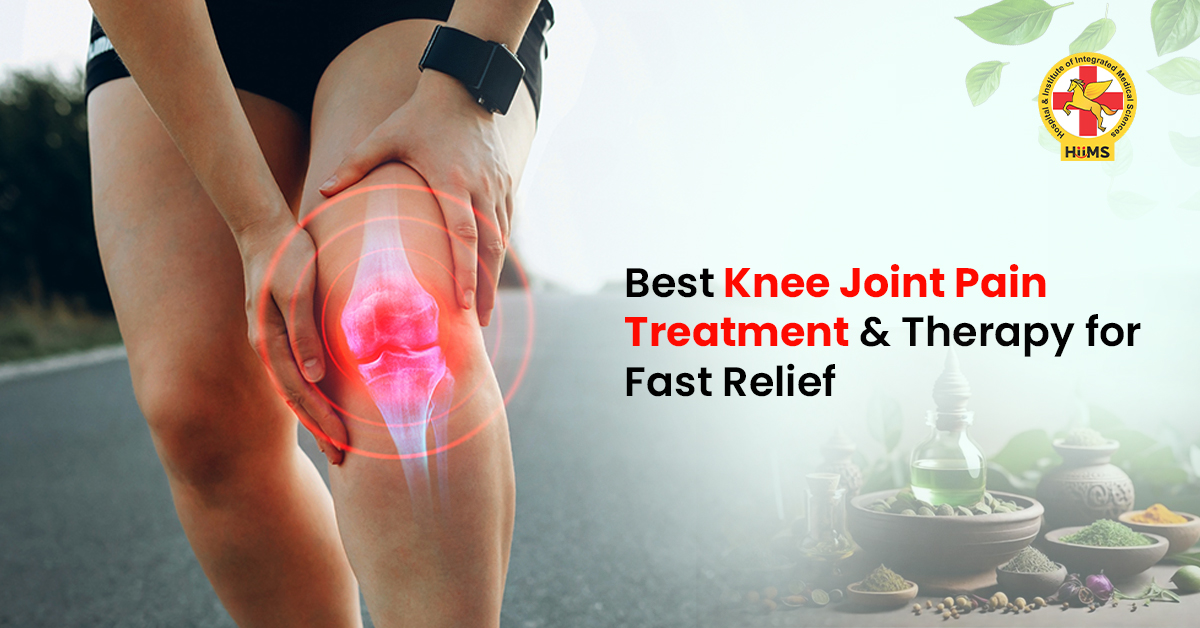

Knee discomfort can affect simple movements such as walking, stair climbing, or prolonged sitting. Often, it is mistaken for a natural part of aging and left unaddressed. Over time, stiffness increases, mobility decreases, and energy declines. Selecting the right knee joint pain treatment is essential to relieve discomfort and prevent further problems.
At Jeena Sikho HiiMS, we focus on natural and safe ways to treat knee pain. The treatment focuses beyond symptom relief, aiming to correct the underlying cause. We provide gentle knee joint therapy, lifestyle guidance, and Ayurvedic knee joint pain treatment to help patients regain mobility. Many patients experience improved comfort after therapy and can resume daily activities without relying heavily on medicines or surgery.
Key Symptoms of Knee Pain
If you are experiencing knee issues, these signs may appear:
- Persistent pain in the knee, especially when walking or bending
- Stiffness after resting or sitting for long hours
- Swelling around the joint
- Clicking or popping sounds when moving the knee
- Difficulty straightening or bending the leg
- Feeling of weakness or instability
Noticing these symptoms early is helpful. Simple interventions can prevent pain from becoming severe and make daily life easier.
Main Causes of Knee Pain
Knee discomfort can come from many reasons:
- Wear and tear due to age, which slowly affects cartilage
- Injuries from accidents, falls, or sports activities
- Being overweight, which puts extra pressure on the knees
- Improper posture or repetitive movements that strain the joint
- Vata imbalance in Ayurveda, causing dryness and stiffness in joints
- Ama (toxins) accumulation in the body due to weak digestion, leading to inflammation
Knowing the cause helps in selecting the most effective knee pain management plan. Treating the root problem gives better long-term results.
Ayurvedic View of Knee Pain
In Ayurveda, knee pain often happens when Vata dosha is out of balance. This can dry the joints, reduce lubrication, and make movement painful. Sandhigata Vata refers to osteoarthritis caused by the accumulation of Vata in the joints, resulting in cartilage deterioration. If digestion is weak, Ama may build up and make the knees swollen and painful.
The aim of Ayurvedic knee joint pain treatment is to naturally restore dosha balance, support digestion, and reduce inflammation. With this method, your knees move more easily over time and the pain goes down.
Herbal Therapies and Remedies
Some herbs help to improve joint health while reducing inflammation:
- Ashwagandha – Strengthens the muscles and supports stress management
- Turmeric – Helps in reducing swelling and pain
- Shilajit – Improves flexibility and strengthens bones
- Guggulu – Reduces stiffness and supports joint movement
These herbs, when used carefully, complement therapies and help avoid surgery in many cases.
Panchakarma Therapy for Knee Pain
Ayurveda offers therapies to relieve stiffness and improve mobility:
- Janu Basti – Warm herbal oil is poured inside a dough ring around the knee to improve joint flexibility
- Abhyanga – Warm oil massage improves circulation and relaxes stiff muscles
- Swedana – Herbal steam softens the joints and eases movement
Each therapy is planned according to the patient’s body type and condition.
Home Practices for Instant Knee Pain Relief
Along with therapies, knee pain treatment at home is important:
- Apply warm oil or compress to relieve stiffness
- Do gentle knee exercises and stretches
- Maintain a healthy body weight to reduce pressure
- Avoid staying in one position for long
- Eat foods that reduce inflammation, like fruits and vegetables
Regular care of these simple steps can really help manage knee pain without depending only on medicines.
Choosing the Right Knee Joint Pain Treatment
When searching for effective knee pain treatment without surgery, keep these points in mind:
- Experience of Doctors – They should have handled chronic knee pain cases
- Range of Services – Treatments, diet guidance, and lifestyle advice should all be available
- Patient Care – Staff should listen and explain everything clearly
- Follow-Up Care – Guidance for home routine and diet after treatment is crucial
- Honest Guidance – Avoid centres that promise instant relief; proper therapy takes time
At Jeena Sikho HiiMS, we follow all these standards to provide safe, effective, and structured care for our patients.
Expertise Beyond Knee Pain
Our doctors do more than knee joint therapy. They also specialize in treating serious health conditions like cancer, liver disorders, heart disease, infertility, jaundice, and chronic illnesses. This broader clinical knowledge ensures that patients with multiple health conditions receive thorough and safe care alongside knee joint treatment.
Preventive Tips for Healthy Knees
- Keep your weight under control to take pressure off your knees.
- Do light exercises like walking or swimming regularly.
- Eat foods that reduce inflammation to support your joints.
- Don’t stay in one position for too long.
- Do gentle stretches every day to keep your knees flexible.
Following these effective tips help provide knee pain relief.
Conclusion
Jeena Sikho HiiMS offers knee joint pain treatment using ayurvedic knee joint pain treatment, gentle therapies, herbs, and lifestyle advice for complete relief. Treatment is designed not only to relieve pain but also to improve mobility, energy, and sleep. For lasting relief without surgery, therapies like oil therapy for knee joints and Panchakarma are effective. When knee pain affects your routine, early care is recommended. Jeena Sikho HiiMS ensures structured guidance, consistent follow-ups, and clear instructions for knee pain treatment at home, helping patients regain mobility and reduce joint discomfort safely. Book an appointment with our team today to improve your mobility and joint health.

Frequently Asked Questions
Q1. Can knee pain be treated without surgery?
Many cases show good improvement with Ayurvedic therapies and lifestyle adjustments.
Q2. Are herbal remedies effective for knee pain?
Herbs like Ashwagandha, Turmeric, and Guggulu help increase flexibility in the joints.
Q3. How long does it take to see results from treatment?
Improvement is usually noticed within a few weeks with regular therapy.
Q4. Can exercises help in knee pain management?
Gentle stretching and low-impact exercises are used to improve joint mobility.
Q5. Is follow-up care necessary after treatment?
Guidance on home routines and diet is provided to ensure long-term relief.

Disclaimer: The information provided on this blog is for general educational and informational purposes only. It is not intended to replace professional medical advice, diagnosis, or treatment. Always consult a qualified healthcare professional before making any changes to your diet, lifestyle, or treatment plan. Individual results may vary.