
A good heart does not depend only on exercise or medicine. It also depends on the food you choose every single day, because the same meal that feels normal today can slowly change your blood pressure, cholesterol, energy, and long-term heart strength.
That is why a diet for heart health is so important, especially when people are busy, eating at unusual times, or relying too much on processed food. The heart works all day without rest, so it needs regular support through simple, clean, and balanced meals that do not overload the body. When we understand this connection in a basic way, it becomes easier to make better choices without feeling confused or restricted.
In this blog, you will learn how food habits affect the heart, what to change step by step, and how a practical routine can support better health in the long run.
Table of Contents
Understanding Heart Disease In Simple Words
Heart disease is not one single problem. It is a general term for conditions that affect the heart and the blood vessels around it. In many cases, the problem starts when fatty deposits begin to collect inside the arteries. This makes the passage narrow, and the heart has to work harder to move blood through it. If this keeps going for years, it may lead to serious issues and even emergency treatment.
This is also why food habits should never be ignored. A poor diet can raise bad cholesterol, increase pressure on the arteries, and slowly increase the risk of heart blockage. Once the body reaches that stage, treatment becomes more complicated, and recovery needs much more attention. Simple changes earlier in life usually work better than waiting for a crisis.
Why Following the Right Diet for Heart Health is Important
A balanced diet for heart health supports the body in a very regular way. It helps keep cholesterol under control, supports normal blood pressure, and prevents extra weight from putting pressure on the heart. It also gives the body energy without making the system slow or overworked.
In many cases, heart disease prevention tips begin with the most ordinary things, like eating on time, avoiding excess salt, and choosing home-cooked food more often.
This is where healthy eating for the heart becomes less of a rule and more of a habit. The aim is not to be strict about eating. In fact the aim is better eating that the body can follow for years without stress.
The 8 Simple Steps for a Heart-Healthy Diet
1. Keep Your Portions Under Control
How much you eat impacts you just as much as what you eat. Even healthy food can become a problem if the portions are too large. Smaller plates, slower eating, and stopping before you feel overly full can help the heart and the stomach both stay comfortable.
2. Eat More Fruits And Vegetables
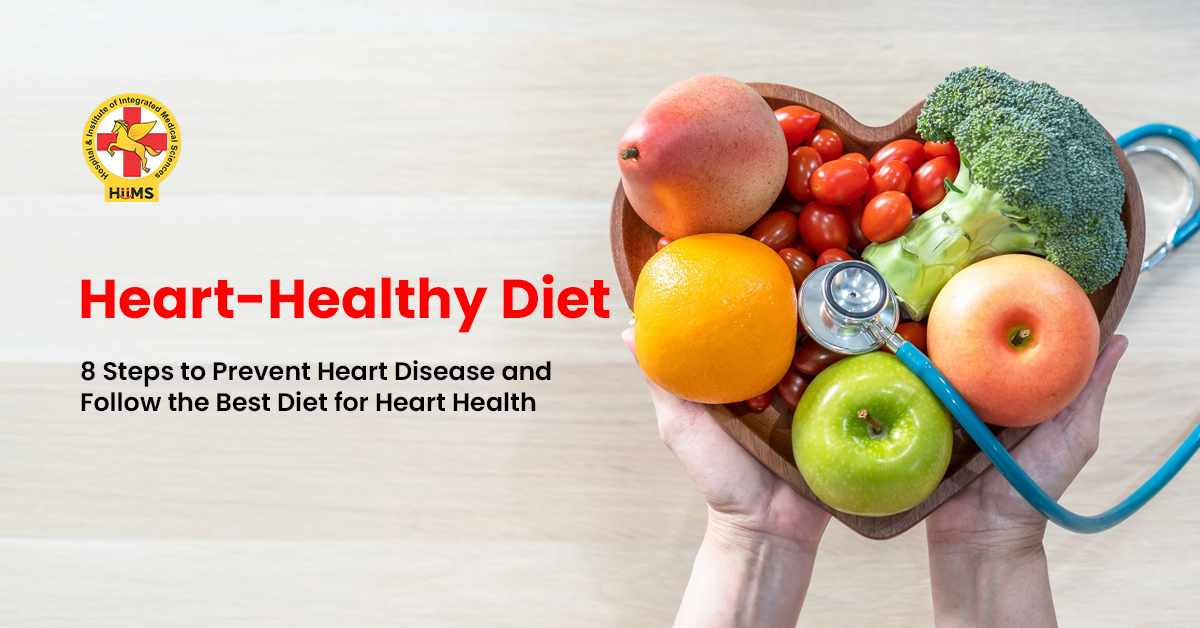
Fresh fruits and vegetables are among the most useful foods for heart health because they bring fiber, vitamins, and natural protection that support the arteries.
3. Choose Whole Grains Instead Of Refined Grains
White bread, maida-based snacks, and polished grains may fill you up, but they do little for long-term health. Whole grains like atta, oats, brown rice, and millets are better for digestion and help the body manage cholesterol more wisely. This is one of the simplest ways to improve a diet for heart health without making the meals feel boring.
4. Select Fats Carefully
The body needs some fat, but not the kind that comes from deep-fried food, bakery items, or heavily processed snacks. A little bit of nuts, seeds, and healthier oils can support the body better than repeated oily meals. When people ignore this part for too long, they increase the risk of heart blockage without even noticing it.
5. Pick Light Proteins
Dals, beans, legumes, seeds, and other light protein choices help the body stay strong without adding too much heaviness. These foods feel simple, but they go a long way in healthy eating for heart because they support nutrition without forcing the body to handle excess fat.
6. Reduce Salt In Daily Meals
Too much salt quietly raises pressure on the heart. That is why home cooking often works better than packaged food, restaurant food, or instant snacks. Using herbs, lemon, garlic, and spices can make the food taste good without pushing the body too hard. This is one of the most practical heart disease prevention tips for daily life.
7. Cut Down Sugar And Packaged Food
Sugar does not only affect weight. It also disturbs the overall balance of the body when taken too often. Packaged snacks, sugary drinks, and refined desserts make it harder to stay on track. Smaller changes here can protect the heart in a very real way, and they may also reduce the chance of problems that later need heart attack treatment.
8. Drink Enough Water And Keep Meal Timing Regular
Water supports circulation, digestion, and general body function, while regular meal timing helps the system stay steady. Long gaps between meals and sudden overeating can both create stress in the body. For a stable diet for heart health, rhythm plays a role almost as much as food choice.
How to Turn These Steps into Daily Eating Habits
The best way to follow these changes is to keep them simple. A home-cooked breakfast, a balanced lunch, and a lighter dinner already improve the overall dietary routine.
Planning meals a little ahead also helps avoid last-minute fried snacks or packaged food. Over time, these choices become normal, and that is when real improvement starts to show.
When to Seek Expert Help for Heart Health
If chest discomfort, breathlessness, or unusual fatigue keeps happening, it should never be ignored. At that stage, searching for a heart specialist near me or visiting a trusted heart hospital can help you understand what is going on before the problem grows further. People looking for focused care often explore heart disease treatment at Jeena Sikho HiiMS so they can get proper guidance along with lifestyle support.
Conclusion
A healthy heart does not come from one perfect meal or one strict diet. It comes from many small decisions repeated with care. When you choose food more wisely, keep portions in check, and stay consistent with your routine, the body begins to respond in a better way.
A practical diet for heart health supports the heart quietly, day after day, and that is what makes it powerful. You do not need to change everything at once. You only need to start with better choices and continue them with patience.

For further guidance on your heart health or related to diet for heart you can also opt for VOPD consultation for your health issue with expert doctors at Jeena Sikho HiiMS.
FAQs
Which foods are most useful for heart health?
Fresh fruits, vegetables, whole grains, dals, seeds, and light home-cooked meals usually support the heart best.
How does diet affect heart blockage?
Heavy, oily, and processed food can raise cholesterol and slowly narrow the arteries over time.
What makes a heart-friendly meal balanced?
A good meal usually includes vegetables, a clean protein source, and a grain that is less processed.
Why does salt need to be limited?
Too much salt raises blood pressure, and higher blood pressure puts more strain on the heart.
When should someone visit a doctor for heart concerns?
Ongoing chest discomfort, shortness of breath, or unexplained tiredness should be checked by a medical professional.

Disclaimer: The information provided on this blog is for general educational and informational purposes only. It is not intended to replace professional medical advice, diagnosis, or treatment. Always consult a qualified healthcare professional before making any changes to your diet, lifestyle, or treatment plan. Individual results may vary.