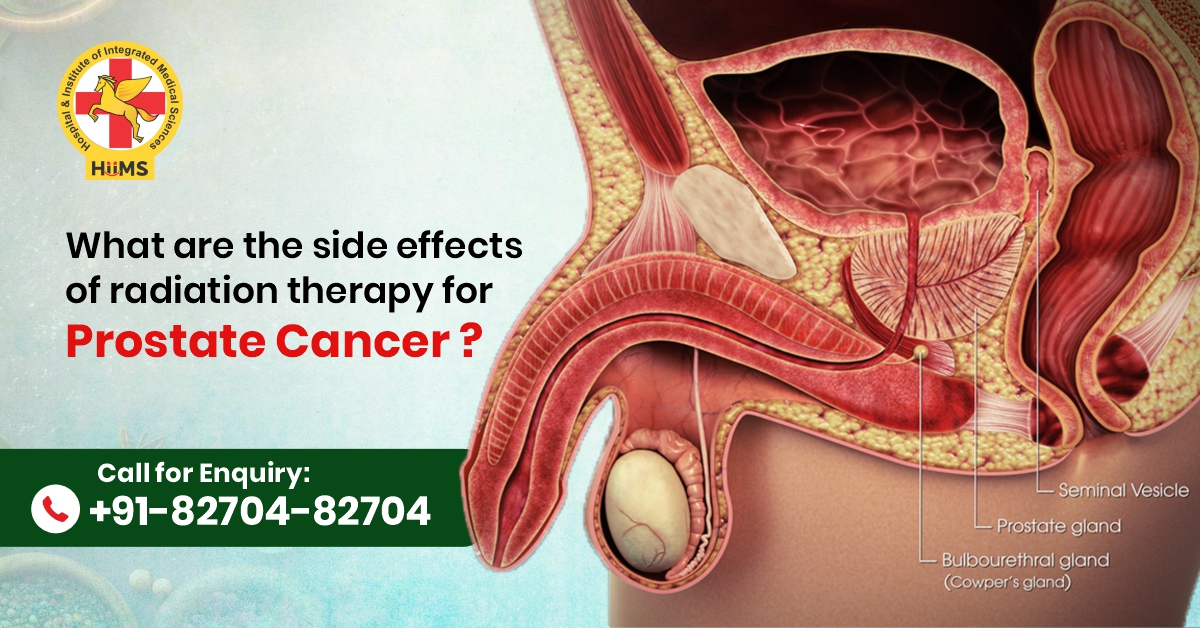
Prostate cancer is a well-known health condition among men, especially those above 50. Many patients consider modern cancer treatment options, such as radiation treatment, but they may not completely realize how it can affect the body.
Radiation treatment for cancer is designed to target and destroy cancer cells, but it can also impact nearby healthy tissues and bring various side effects. This often motivates patients and their families to look toward supportive and holistic approaches that help maintain comfort and overall quality of life.
At Jeena Sikho HiiMS, experts focus on natural methods that care for the whole body, not just the disease. Ayurveda believes that balance in digestion, immunity, and daily habits plays an important role during cancer treatment. Understanding how radiation affects the body and how gentle natural care may help recovery can guide patients toward better overall well-being during their healing journey.
Basic Overview of Prostate Health
The prostate is a small gland in men that helps produce seminal fluid. With age, it may undergo changes that can lead to enlargement, inflammation, or prostate cancer.
Early symptoms are often mild and may be overlooked, which can delay timely diagnosis and treatment for prostate cancer. Maintaining good urinary health, hormonal balance, and overall immunity is important for supporting long-term prostate function.
What Is Prostate Cancer and Its Causes
Prostate cancer occurs when prostate cells grow without control. Causes are not always clear, but age, hormone imbalance, family history, and unhealthy lifestyle habits may raise risk. Poor diet, low physical activity, and stress can weaken the body.
Early signs of prostate cancer can include difficulty passing urine, weak urine flow, and frequent nighttime urination. Some men may notice blood in urine or semen. Symptoms may be mild at first, so regular screening is important to start timely care and choose the right prostate cancer treatment options.
Understanding Radiation Therapy in Prostate Care
For prostate carcinoma, radiotherapy uses high-energy rays to kill cancer cells and is often recommended either as the main treatment or after surgery to eliminate any remaining cells. While effective, it can affect nearby organs like the bladder, rectum, and nerves. Patients may experience short-term or long-term side effects, and gentle supportive care can help the body handle these changes.
How Radiation Therapy Can Affect the Body in Prostate Cancer Treatment
Radiation therapy for prostate cancer can lead to changes in nearby organs, causing side effects that might develop during treatment or months afterward. Understanding these effects helps patients prepare and seek supportive care.
1. Urinary Problems After Radiation
Radiation sometimes irritates the bladder and urinary passage, which can lead to increased urination, a burning feeling, or challenges in emptying the bladder. Some men might have trouble controlling urination or face occasional leakage as part of prostate cancer treatment. These symptoms often improve over time but can be uncomfortable during treatment.
2. Bowel and Digestive Changes
Because the rectum is close to the prostate, radiation may disturb bowel function. Patients may experience loose motions, rectal irritation, mucus discharge, mild bleeding, or urgency during bowel movement.
3. Fatigue and General Weakness
Fatigue is one of the most frequent effects seen during cancer treatment. The body needs additional energy to heal tissues influenced by radiation. Many patients notice reduced stamina, heaviness in the body, and lower activity levels. Adequate rest, balanced nutrition, and light movement may help.
4. Sexual and Reproductive Changes
Radiation can influence the nerves and blood flow that support an erection. Some men may notice reduced sexual desire or erectile difficulty after therapy. Semen production may gradually reduce over time. These changes can influence emotional well-being and intimate relationships.
5. Skin and Local Tissue Irritation
The skin in the treated area may become dry, sensitive, or darker. Some patients notice soreness or mild inflammation around the pelvic region. These changes usually heal after treatment ends. Natural oils, gentle care, and avoiding friction are often advised in traditional care systems to soothe the skin and maintain tissue comfort.
6. Long-Term Effects on Bladder and Bowel
Months or years after radiation treatment, some men may experience persistent urinary urgency or rectal sensitivity. Rarely, narrowing of the urinary passage or rectal bleeding can occur. Long-term tissue dryness and reduced elasticity are also possible.
Ayurveda views these effects as deep tissue depletion and emphasizes rebuilding strength through nourishment, herbs, and a balanced daily routine, which may help manage prostate cancer symptoms and support overall well-being.
Short-Term and Long-Term Effects of Radiation Therapy
The effects of radiation therapy may be noticed during the treatment phase or after it ends. Some symptoms are temporary and improve as recovery continues, while others may remain for a longer duration. Their course differs for each patient based on health status and treatment plan.
Short-Term Effects
- Start during therapy or within the early recovery phase
- Usually remain for weeks or a few months
- Common signs include fatigue, urinary frequency, mild bowel upset, and skin sensitivity
- These often lessen as strength and tissue health return
Long-Term Effects
- May arise months or years after treatment completion
- Could include persistent urinary or bowel changes and erectile difficulty
- Many long-term effects stay mild and controllable
- Permanent changes are uncommon but possible in some cases.
In general, most side effects settle with time, while longer-lasting ones can be managed through proper care. Follow-ups, healthy eating, hydration, and supportive therapies aid steady recovery.
Supporting Recovery Through Ayurveda
While modern treatment focuses on destroying cancer cells, Ayurveda emphasizes restoring body balance. During cancer treatment, gentle detox, herbal support, and a customized diet help maintain the body’s strength, immunity, and digestion. Practices such as yoga and stress-relief exercises may also improve symptoms of prostate cancer, making treatment easier to handle. This care supports-but does not replace-medical therapy.
Conclusion
Radiation therapy is an important part of cancer care, yet it can cause urinary, bowel, sexual, and fatigue-related side effects that affect daily routine. Awareness of these effects allows patients to prepare themselves and consider supportive care early.
A holistic approach that includes diet, lifestyle balance, and natural healing may help maintain comfort during cancer treatment. At Jeena Sikho HiiMS, Ayurvedic principles are used to care for the whole person, not just the disease. Combining medical guidance with gentle natural support may help patients move through treatment with greater ease and overall well-being.

FAQs
1. What are the common side effects of radiation therapy for prostate cancer?
Common side effects include urinary irritation, bowel discomfort, skin sensitivity, and changes in sexual function due to the effect on nearby tissues.
2. How long do radiation therapy side effects usually last?
Short-term effects may last a few weeks to a few months after treatment, while some long-term effects can appear months or years later depending on individual recovery.
3. Will radiation therapy cause fatigue?
Tiredness is common because the body uses energy to repair tissues affected by radiation.
4. What is radiation therapy for prostate cancer?
Radiation therapy for prostate cancer is a treatment that uses high-energy rays to destroy cancer cells in the prostate gland.
5. Why is radiation therapy used in prostate cancer treatment?
Radiation therapy is used to control or eliminate cancer cells and prevent their spread.