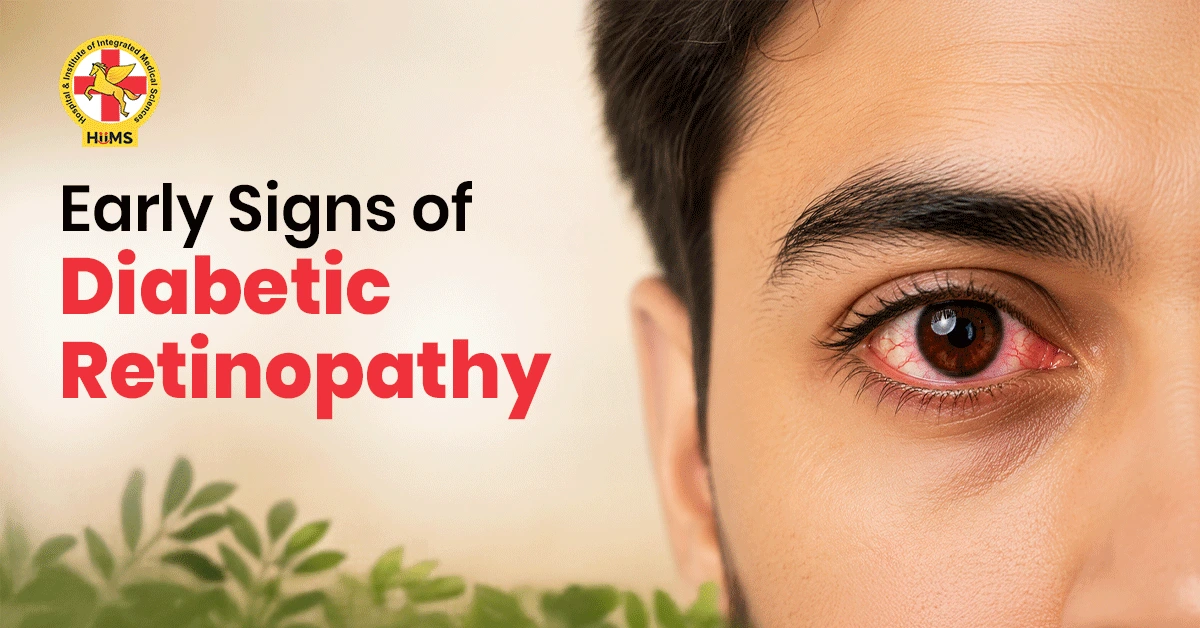

Managing diabetes is more than checking your sugar levels every day. High blood sugar can affect many parts of the body over time. The eyes are one of them. One common problem is diabetic retinopathy. It develops when the small blood vessels in the retina are damaged. At first, the symptoms may not be easy to notice.
It develops slowly and often does not cause noticeable problems in the beginning. That is why knowing the signs of diabetic retinopathy becomes very important. Early attention can help protect your eyesight before the condition gets worse. In many people, the changes inside the eye start much earlier than the symptoms appear. Regular eye checkups, healthy food choices, and proper diabetes management all play a major role in maintaining eye health.
Along with the medical care, many people also choose an Ayurvedic lifestyle that supports overall wellness through balanced nutrition, daily routine, and natural living. Understanding the warning signs is the first step. This article explains the seven early changes you should never ignore and why acting at the right time really matters. Small symptoms may look harmless. But they should not be overlooked.
What Is Diabetic Retinopathy?
It is a type of diabetic eye disease that develops when high blood sugar damages the tiny blood vessels of the retina, the light sensitive layer present at the back of the eye. In the early stage, many people do not notice any discomfort. As the condition progresses, vision may slowly become affected. This is why the routine eye examinations are recommended even when the eyesight seems normal.
7 Early Signs of Diabetic Retinopathy
The early symptoms of diabetic retinopathy usually appear slowly. At first, they may not seem like a big concern. Many people even ignore them. Finding these small changes early can help you get the right medical care on time and protect your vision.
1. Blurred Vision
Diabetic retinopathy symptoms often include blurred vision. It may affect the simple activities like reading, and objects may not appear as sharp as before. Sometimes the vision becomes clear again after some time, making people think it is temporary. But repeated blurring should always be checked.
2. Floaters in the Eyes
Small dark spots, tiny threads, or the floating shapes moving across the vision can be an early warning sign. Eye floaters may appear suddenly or increase over time. While floaters can have different causes, people with diabetes should never ignore them because they may indicate the changes inside the retina.
3. Difficulty Seeing at Night
Difficulty seeing at night can be an early symptom of diabetic retinopathy. It can be an early sign that should not be ignored.
4. Fluctuating Vision
Some days, your eyesight feels perfectly fine. On other days, it becomes blurry without any obvious reason. Such a changing vision may happen because blood sugar fluctuations also affect the eyes. If the problem continues, a proper eye check is recommended. It could be one of the important signs of diabetic retinopathy.
5. Dark or Empty Areas in Vision
Dark patches or missing areas in the vision can be a warning sign of diabetic retinopathy. Getting an eye checkup early can help identify the problem.
6. Difficulty Recognising Colours
Colours may start looking dull or faded. Some people also find it difficult to tell similar shades apart. Although this change develops gradually, it may be linked with the progressing diabetic eye disease and should not be ignored.
7. Frequent Changes in Eye Focus
If your eyes struggle to focus while reading or looking at distant objects, it may be another early warning sign.
Early detection is often the key to managing diabetic retinopathy before it affects the vision severely.
How Can You Protect Your Eye Health?

Not every person with diabetes develops severe eye complications. Still, prevention remains very important.
Simple habits can make a difference:
- Keep the blood sugar within the target range advised by your healthcare provider.
- Monitor blood pressure and cholesterol regularly.
- Focus on eating wholesome meals with vegetables, fruits, and whole grains.
- Avoid smoking and the use of tobacco products.
- Stay physically active.
- Never skip your annual dilated eye examination, even if the vision feels normal.
From an Ayurvedic point of view, maintaining balanced digestion, following a disciplined daily routine, choosing fresh seasonal foods, and reducing unhealthy lifestyle habits are considered important for supporting overall health.
Conclusion
Ignoring the signs of diabetic retinopathy may allow the condition to progress quietly before noticeable vision loss appears. Paying attention to blurred vision, floaters, poor night vision, or other early changes can help you seek timely medical advice. Regular eye screening remains the best way to detect problems early because many people experience no symptoms in the beginning.
Along with proper diabetes management, a healthy lifestyle and Ayurvedic wellness practices may support overall health. At Jeena Sikho HiiMS, an Ayurvedic approach focuses on balanced living, nutrition, and personalised wellness alongside appropriate medical guidance for long-term well-being.

FAQs
Q1. What is diabetic eye disease?
Diabetic eye disease is a group of eye problems that can develop because of diabetes. It includes diabetic retinopathy, diabetic macular edema, cataracts, and glaucoma.
Q2. Can diabetic retinopathy develop without any symptoms?
Yes, in its early stages, diabetic retinopathy often develops without noticeable symptoms. This is why regular eye examinations are important for people with diabetes.
Q3. How often should people with diabetes get their eyes checked?
Most people with diabetes are advised to have a comprehensive dilated eye examination at least once a year, or as recommended by their eye specialist.
Q4. Can diabetic retinopathy lead to vision loss?
If left unmanaged, diabetic retinopathy may progress and affect vision, making early detection very important.
Q5. Do Ayurvedic lifestyle practices support eye health?
Ayurveda emphasises maintaining overall body balance through a healthy diet, daily routine, herbal support, and mindful living.

Disclaimer: The information provided on this blog is for general educational and informational purposes only. It is not intended to replace professional medical advice, diagnosis, or treatment. Always consult a qualified healthcare professional before making any changes to your diet, lifestyle, or treatment plan. Individual results may vary.