
Check any family WhatsApp group these days, and someone is talking about their BP reading. It’s become that common. Long office hours, salty snacks between meetings, skipped breakfasts, barely any walking schedule, all of this adds up quietly, until one routine check-up shows numbers you didn’t expect.
The usual reaction is to search for tablets and move on. But medicine is only half the story. What is served on your plate every single day has just as much say in the case. Ayurveda has said this for centuries that Aahar, or food, is where healing starts, well before any medication.
This blog is based around foods to lower high blood pressure and a handful of honest, doable foods to reduce blood pressure naturally, nothing fancy, nothing that needs a special visit to a health-food store. Continue reading to learn what foods to eat more of, what to reduce, and which small habits can help you over time.
Why Your Daily Diet Is Important in Managing High Blood Pressure
Think about a typical daily eating such as pickle on the side, a bowl of chips with evening tea, maybe some namkeen while watching TV. Salt enters in from everywhere, and the heart ends up working overtime to manage it. Add fried snacks and sugary drinks, and blood vessels gradually lose the flexibility they need to keep pressure in check.
Certain foods work the opposite way, they ease vessel walls open and help kidneys push out that extra sodium. Ayurveda has always pointed toward fresh, seasonal, lightly cooked food over anything packaged or reheated, and honestly, modern nutrition science backs this up almost word for word.
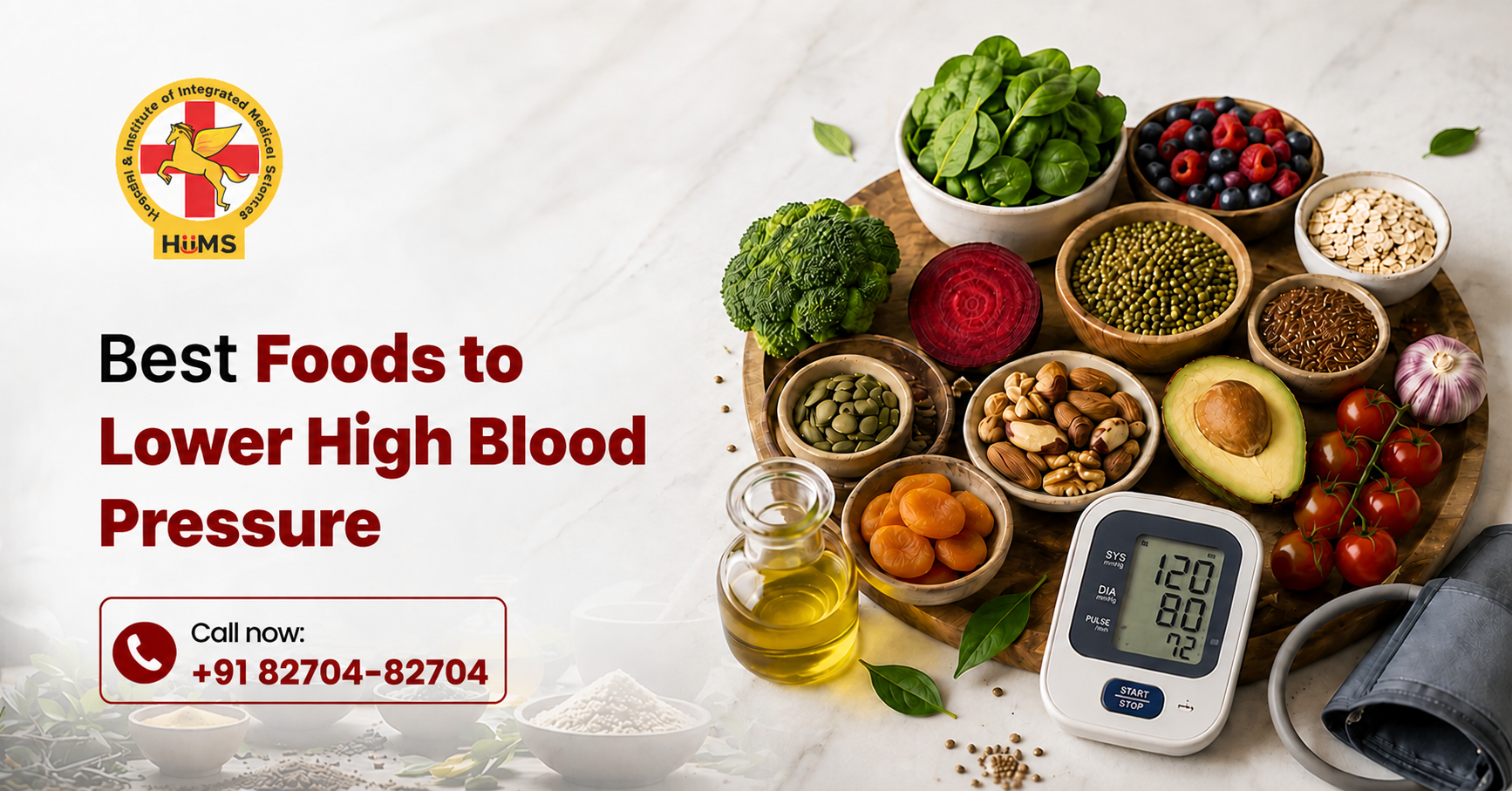
Best Foods to Lower High Blood Pressure Naturally
1. Leafy Green Vegetables – Nature’s Source of Potassium
Spinach, methi, bathua and other green leafies, these aren’t just substitute vegetables. They carry potassium and magnesium, minerals that help vessels relax. Cook them lightly instead of eating them raw. That’s the Ayurvedic preference, and it also makes them easier on digestion.
2. Garlic (Lehsun) for Better Heart Health
Garlic has had a place in Ayurvedic kitchens for generations, mostly for its blood-purifying reputation. Toss a few cloves into your daily dal or sabzi, or if you can manage it, chew one raw clove on an empty stomach for a cleaner effect.
3. Amla – An Ayurvedic Superfruit
Loaded with Vitamin C, amla earns its spot among the best foods for high blood pressure because it strengthens vessel walls over time. Fresh amla in winter, powdered amla the rest of the year or either way, the benefit carries through.
4. Beetroot for Healthy Blood Flow
Beetroot’s nitrate content does something interesting, it widens blood vessels fairly quickly. A small glass of fresh juice, or beetroot tossed into a salad, is an easy addition without much effort.
5. Bananas and Other Potassium-Rich Fruits
Banana, coconut water, citrus fruits, all solid blood pressure lowering foods, mainly because their potassium content neutralises the sodium that’s already sitting in most of our meals.
6. Nuts and Seeds
A small fistful of almonds, flaxseeds, or pumpkin seeds brings healthy fats and magnesium along with it. Soak your almonds and other seeds overnight, that will give you the best results.
7. Whole Grains and Millets
Jowar, bajra, ragi, brown rice, swap these in for refined flour whenever possible. These natural foods to lower blood pressure carry fibre that keeps blood flow steady through the day rather than spiking and dropping.
8. Fresh Pomegranate
Pomegranate holds its own as a heart-friendly fruit, thanks to its antioxidant load. Eat it fresh, drink it as juice, or just eat the seeds.
Foods to Avoid If You Have High Blood Pressure
Adding good foods only gets you halfway done. The other half is cutting back on what’s working against you, which are packaged snacks, salt-heavy pickles, deep-fried food, refined sugar, soft drinks, and anything that comes out of a sealed packet. These allow extra sodium and sugar into your body.
Ayurvedic Eating Habits That Support Healthy Blood Pressure
Food is important, but so is how and when you eat it. Here are some simple guidelines to follow:
- Stick to freshly cooked meals rather than reheated leftovers.
- Don’t overeat, even when the food is healthy.
- Keep mealtimes roughly consistent instead of eating whenever you get a free minute.
- Drink enough water throughout the day, and pick fruits and vegetables that are actually in season.
Conclusion
No single food regulates blood pressure on its own, it’s the sum of small, repeated choices that actually affects the numbers. Pairing foods to lower high blood pressure with these everyday Ayurvedic habits gives your body the steady support it’s really asking for. Ayurveda has always treated food as something that nourishes from the inside out, not as a quick fix.
Still, if your readings stay high despite these changes, don’t wait it out – talk to an experienced healthcare professional for care suited to you. You can also book an online video consultation (VOPD) with the expert doctors at Jeena Sikho HiiMS for guided, personalised support on your health journey.

FAQs
1. How quickly can diet changes affect blood pressure?
Many people notice gradual improvement within a few weeks of consistent dietary changes, though results vary from person to person based on lifestyle.
2. Can I completely stop my medicines by only changing my diet?
Diet plays a supportive role alongside medical guidance, and any change in medication should always be discussed with your treating doctor first.
3. Are fruits like bananas safe for someone with high blood pressure?
Bananas are generally considered beneficial due to their potassium content, making them a helpful addition to a heart-friendly daily diet.
4. How much salt is considered safe in a day?
Most nutrition guidelines suggest keeping daily salt intake low and mindful, focusing on fresh cooking rather than packaged or processed foods.
5. Does stress also affect blood pressure along with food?
Stress plays a significant role alongside diet, so combining these food habits with relaxation practices often brings better overall results.

Disclaimer: The information provided on this blog is for general educational and informational purposes only. It is not intended to replace professional medical advice, diagnosis, or treatment. Always consult a qualified healthcare professional before making any changes to your diet, lifestyle, or treatment plan. Individual results may vary.