
Think about how many times your heart has beaten today. You probably haven’t, and that’s the point. It just keeps going, silently doing its work by pushing blood to every part of your body. Inside it, small flap-like structures called valves do most of the actual work. Their job is basically to open up, let blood through, and then shut so it doesn’t slide back the wrong way. As long as they do this properly, you feel nothing at all.
But when a valve turns stiff, or stops closing all the way, your heart suddenly has to work overtime just to keep up. This is what’s known as ‘heart valve disease‘, and it very rarely arrives with warning bells. It creeps in over months, sometimes years, which means there’s usually time to catch it if you’re paying attention.
This blog covers why it happens, what it feels like, how doctors spot it, and what your options look like once it’s found.
What Is Heart Valve Disease?
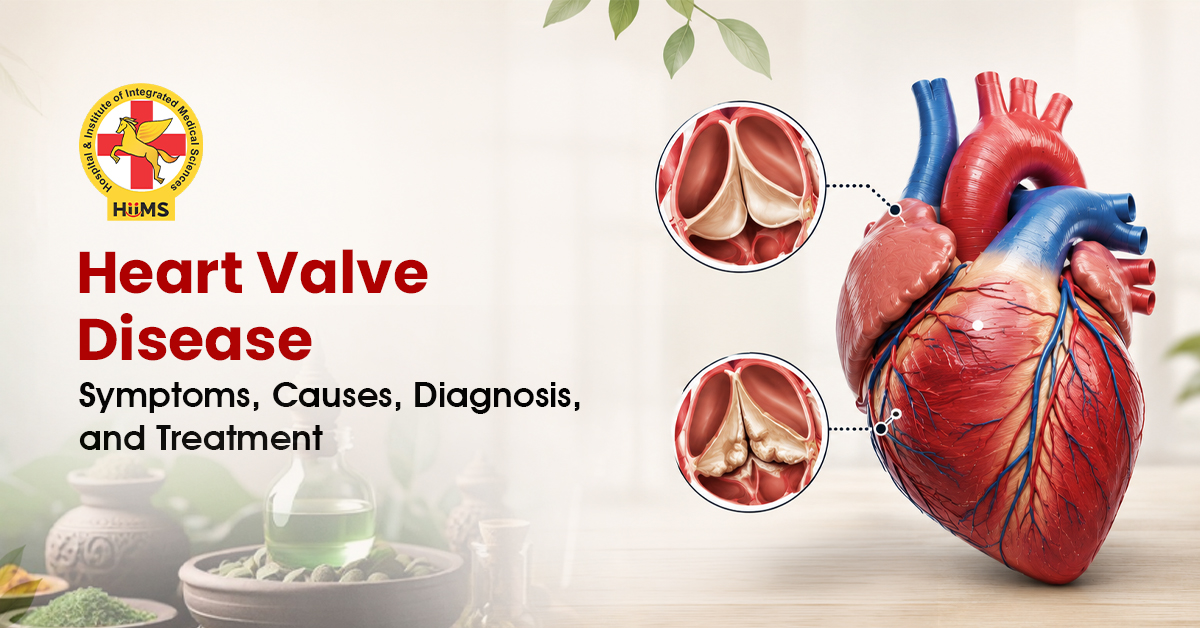
Your heart has four valves: aortic, mitral, tricuspid, and pulmonary and each one is located at a doorway between chambers. Their whole purpose is keeping blood flowing one way, never backwards.
Sounds simple, right? Yes, it is, but only when everything’s working. The timing has to be exact with every single beat. Most people never think twice about their valves. You don’t feel them working. You only notice when you realise something is wrong.
What Happens When a Valve Stops Working Properly?
Two things usually go wrong here. The first is stenosis, the valve opening narrows, and blood has to squeeze through a smaller gap than it should. Regurgitation is the other, where the valve doesn’t close properly and blood leaks backwards instead of moving forward like it’s supposed to.
Either way, you end up with heart valve problems, and your heart has to push harder to make up for it.
How Does Heart Valve Disease Develop Over Time?
Actually, it builds gradually, in stages. A valve starts turning stiff or weak could be due to age, an old infection, or calcium absorbing into the tissue. That messes with blood flow. Some blood has difficulty flowing or goes backward when it shouldn’t.
So the heart compensates by pumping harder, day after day. Eventually that effort shows up as symptoms such as tiredness that come without reason, breathlessness during things that used to be easy. Leave it alone long enough, and ordinary tasks like climbing stairs start to feel like a workout.
What Are the Common Causes of Heart Valve Disease?
There’s not always just one reason behind the causes of heart valve disease. Usually it’s a few things stacking up together.
Age is the biggest factor, valve tissue naturally stiffens over the years. Infections play a role too, rheumatic fever being a common cause that leaves the damage behind. Some people are simply born with a valve shaped a little differently, called a congenital defect. Long-standing high blood pressure or other heart issues add extra load on the valves as well.
And along with these daily habits also comes, oily food, smoking, sitting around all day. All of it builds excessive pressure onto a heart already stretched thin.
Symptoms of Heart Valve Disease You Should Not Ignore
Here’s the difficult part about the symptoms of heart valve disease — they show up so slowly that people interpret them as stress or just getting older.
Getting tired from a short walk or a couple of stairs? That’s often the first indication. Feeling tired by mid-afternoon even after a good night’s sleep is another sign. A tightness in the chest that comes and goes without a reason shouldn’t be ignored as well. Some people notice their heartbeat acting up, skipping, fluttering, or going irregular, which points toward heart valve disorders. Swollen ankles or feet, along with sudden dizziness kind of symptoms, are also there.
How Is Heart Valve Disease Diagnosed?
It usually starts simply, a conversation about how you’ve been feeling, followed by the doctor listening to your heart through a stethoscope. If they catch an unusual sound, an echocardiogram comes next, showing how your valves are moving in real time.
An ECG, and sometimes a couple of other tests, help rule out rhythm trouble. None of this takes long, and getting it done early allows you far more options than waiting does.
Ayurvedic Treatment Approach at Jeena Sikho HiiMS
At Jeena Sikho HiiMS, things start with a one-on-one Ayurvedic consultation, because what works for one heart doesn’t always suit another. Panchakarma therapies support the heart gently, without forcing anything. Then there’s Hridaya Basti, where warmed herbal oil is held over the chest, offered as a supportive therapy for cardiac wellness.
Alongside this, herbal support is paired with everyday changes: food, routine, and simple yoga that ease pressure away from the heart over time. It works alongside regular health care, and how it plays out depends on the person.
Conclusion
Heart valve disease hardly ever demands attention early on, it just quietly builds. But once you know the signs, dealing with it gets a lot less overwhelming. At Jeena Sikho HiiMS, Ayurvedic care, honest lifestyle guidance, and genuinely personal attention work together to support your heart over the long term, not just patch up one symptom at a time.
So if breathlessness, fatigue, or that unexplained chest tightness has been showing up more often lately, don’t just relax and rely on it. Book a VOPD consultation with the expert doctors at Jeena Sikho HiiMS and get your heart properly looked at.
FAQs
- What is Heart Valve Disease?
It’s a condition where one or more heart valves stop opening or closing the way they should, making the heart pump harder than normal. - What are the early symptoms of heart valve disease?
Mild breathlessness, unusual tiredness, and the occasional heavy feeling in the chest are usually the first things people notice. - What causes heart valve disease?
Ageing, past infections, birth-related defects, and long-term high blood pressure are among the biggest contributing factors. - Can heart valve disease be diagnosed early?
Regular check-ups with an echocardiogram and ECG can pick up valve changes well before symptoms turn serious. - How does Ayurveda support people with heart valve disease?
Ayurvedic care leans on personalised therapies, herbal support, and lifestyle changes that work alongside regular medical treatment for the heart.
Disclaimer: The information provided on this blog is for general educational and informational purposes only. It is not intended to replace professional medical advice, diagnosis, or treatment. Always consult a qualified healthcare professional before making any changes to your diet, lifestyle, or treatment plan. Individual results may vary.