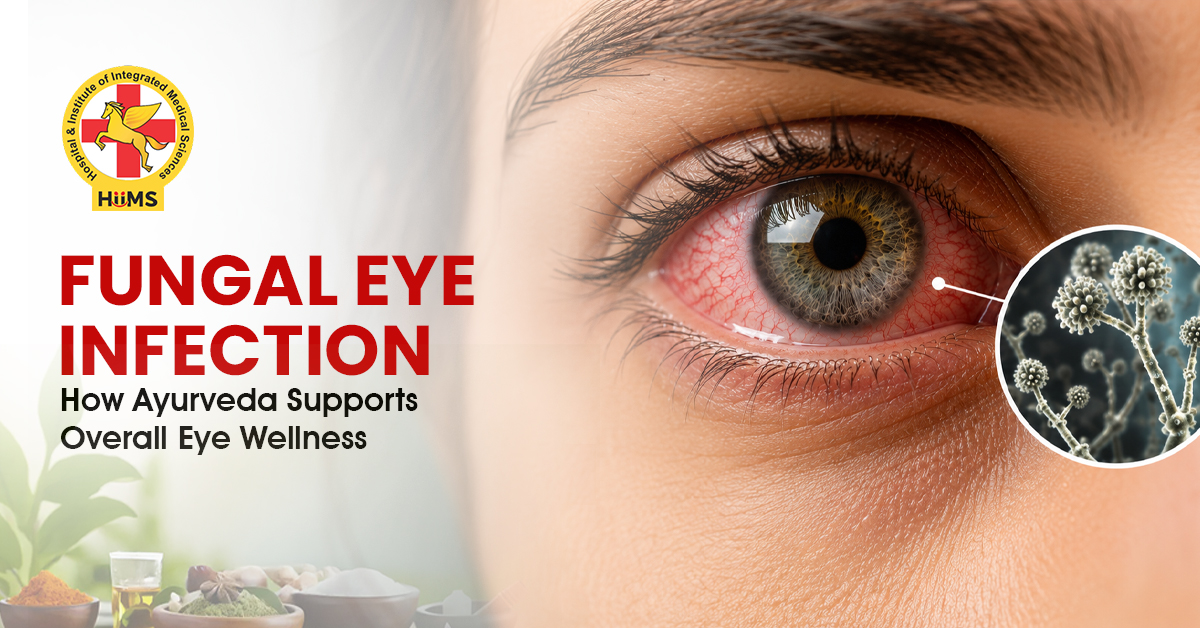

Most people tend to overlook any minor issues that might arise in relation to their eyes. If there is some redness, slight itching and watering, the chances are that there is nothing much to be concerned about because it seems pretty inconsequential. However, many people choose to believe that such symptoms will eventually disappear, most likely due to some dust, too much time spent in front of the screen, or lack of sleep.
Sadly, this may not always be the case. What seemed like no problem at all could actually be the beginning of a very serious condition. Consider the case of a fungal eye infection, which can develop quite unexpectedly. While there is no significant harm done yet, it does cause increased irritation, blurred vision, and hypersensitivity to light.
What is worse about the situation is that people do not really pay close attention to changes that happen almost gradually until they realise that their eyes need urgent attention and proper care. That is why it is important to get to know the early symptoms of fungal eye infections, and seeking the right fungal eye infection treatment becomes important for protecting long-term eye health.
Table of Contents
What is a Fungal Eye Infection?
A fungal infection in the eyes happens when fungi enter the eye and start affecting the surface or deeper layers. Not all times does it occur abruptly. There are times when it occurs due to a number of factors such as injury, poor sanitation practices, and exposure to dust and dirty water.
Fungal Eye Infection Signs and Symptoms
The signs and symptoms may appear very normal at first, hence being ignored by many people. Some of the fungal eye infection signs and symptoms include:
- Redness in the eyes: The eyes could have a reddish appearance even without a cause.
- Eye Pain/Irritation: Constant burning or itchiness in the eyes might arise.
- Discharge/watery eyes: The eyes can either be watering a lot or can discharge something that causes a tacky feeling.
- Blurring Vision: Blurring of vision is another common symptom of a fungal eye infection.
- Light Sensitivity: Intolerance to bright lights is common among people with the disease.
If these symptoms continue or increase, it should not be delayed.
Fungal Eye Infection Causes
There is no single cause behind this condition. Common fungal eye infection causes include:
- Dust or injury to the eye.
- Poor eye hygiene.
- Use of contaminated water or lenses.
- Weak immunity.
Sometimes, even a small exposure can lead to infection if the eye is already sensitive.

Why Immediate Care is Important?
A fungal eye infection is not a condition that should be ignored or managed casually. If what begins as mere irritation continues, it could turn out to be a serious problem if adequate care is not provided on time. The reason behind this is that an infection can reach other parts of the eye as well with the passage of time.
That is the reason why early action is very necessary. In this regard, seeking advice from an eye specialist on time can prove to be helpful.
How Ayurveda Looks at Eye Health?
In Ayurveda, eye problems are often understood as a result of imbalance within the body, particularly related to excess heat and fluid disturbance. Instead of limiting its focus to the part of the body that requires attention, the therapy considers balance in the entire system. This is because balancing the body makes the process of rehabilitation much easier and more stable.
Supportive Ayurvedic Practices
Ayurveda is not used as an alternative to medication, but is rather considered in cases of support and recovery.Some commonly followed practices include:
- Gentle eye cleansing under guidance.
- Use of cooling and soothing dietary patterns.
- Routine correction and proper rest.
- Activities that lead to lowering the body’s internal heat.
Therapies such as Netra Tarpana or herb-based treatment might be considered, although under the guidance of experts.
Daily Care That Matters
Even simple things in daily routine play their role in recovery and prevention:
- Avoid touching and rubbing your eyes.
- Practice proper hygiene.
- Consume a light diet.
- Reduce screen strain.
- Take proper rest.
These may look basic, but they matter more than expected.
Conclusion
A fungal eye infection may start with mild symptoms, but it should never be ignored. Something that might seem minor at the outset can develop into something more serious when not handled with due care. When one seeks prompt medical attention, along with being aware of the situation, it will help to make the healing process easier and more under control.

FAQs
1. What are the symptoms of a fungal eye infection?
Redness, irritation, watering, and blurred vision are included in its symptoms.
2. Causes of Fungal Eye Infections:
Any injury, exposure to dust, poor hygiene, or low body immunity.
3. Is a fungal eye infection serious?
In case of carelessness, it can affect your vision.
4. Can Ayurveda be of any help?
It might help in the healing process, but cannot heal the infection.
5. When should I see a doctor?
In case of chronic or aggravation of symptoms.

Disclaimer: The information provided on this blog is for general educational and informational purposes only. It is not intended to replace professional medical advice, diagnosis, or treatment. Always consult a qualified healthcare professional before making any changes to your diet, lifestyle, or treatment plan. Individual results may vary.