The heart is a vital organ that keeps the body running by pumping blood all the time. It doesn’t take a break. But when the arteries supplying blood to the heart get blocked, they affect its function. This usually doesn’t happen overnight, and the body starts giving small signals early on. Heart problems usually begin when something disturbs the blood flow to the heart, often due to blockage in the arteries.
Heart blockage symptoms usually build slowly. You might notice that something seems to be wrong with you, but it’s not serious enough to alarm you. However, many of these common symptoms are actually signs of insufficient supply of oxygenated blood to the heart. In the long term it can result in more severe consequences.
In this blog, I will make you understand the symptoms or the early signs of heart blockage in a very simple manner so that you can notice them at right time. And these symptoms are so mild that one can ignore and still miss the early heart blockage.
What is Heart Blockage?
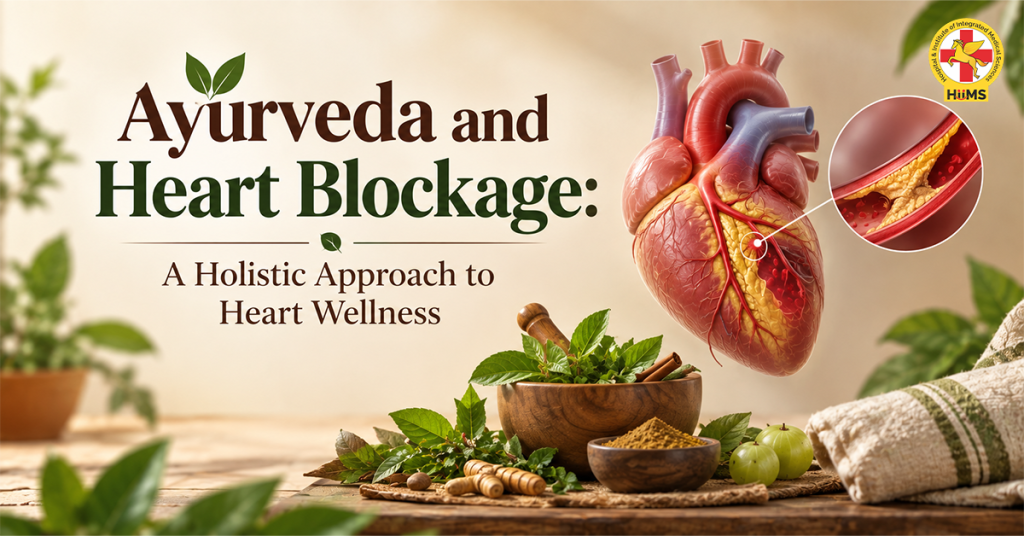
Heart blockage happens when the arteries that supply blood to the heart become narrow or blocked. This reduces blood flow, which means the heart does not get enough oxygen. Over time, this can affect how the heart works and may lead to discomfort or other symptoms. If not noticed early, it can slowly develop into a more serious condition.
7 Heart Blockage Symptoms You Should Not Ignore
1. Chest Discomfort
Chest pain is one of the most common signs of heart blockage. However the pain may not be that painful. A lot of people describe the sensation as a feeling of tightness or a pressure in the chest or a similar sensation of heaviness. This pain often occurs during exertion or walking and during emotional stress and improves during rest. However this pain tends to repeat and this- should not- be ignored.
2. Shortness of Breath
You might find yourself feeling increasingly out of breath in your daily routine even in situations that didn’t get you out of breath before such as walking, using stairs, or talking for extended lengths of time. More severe cases of breathlessness can occur even while sitting or lying down. This is a result of the heart not being able to push blood through the body properly.
3. Pain in Other Body Parts
However, pains related to heart may not always be limited to only chest and may gradually extend to left arm, shoulders, neck, jaw or up to upper back. Due to this, usual misinterpretation associated with muscle ache or dental pain can lead to the cause remaining unnoticed.
4. Constant Fatigue
Your tiredness at the end of an otherwise good day is normal but it is not normal to be tired for no reason. If you are frequently tired and it is not caused by lack of sleep it could be because your body is not getting enough oxygenated blood. This sort of tiredness might last for several days or even weeks.
5. Dizziness or Lightheadedness
Feeling dizzy out of the blue or lightheaded, particularly if you get it when standing up quickly or walking, can be a warning sign. Sometimes, fainting can even occur. This is generally when blood is temporarily rushing to the brain in irregular intervals and this is not something to ignore.
6. Cold Sweats and Uneasiness
It is also quite strange if you are not feeling hot and are not doing any exercise and you suddenly sweat. Your own hands can feel cold and clammy and you begin to feel agitated and agitated without knowing why. This is the skin’s reaction to some internal stress from the heart.
7. Indigestion or Nausea
Sometimes heart-related problems feel like stomach issues. You may experience a burning sensation in the chest, heaviness in the stomach, or nausea. Many people assume it is just acidity, but if these symptoms increase during activity or come along with other signs, it should be checked. Women and older adults are more likely to experience these symptoms instead of typical chest pain.
When Should You Take It Seriously?
If you notice something doesn’t feel right
- Symptoms coming again and again
- Reduced stamina
- Difficulty in normal activities
It is better to not ignore it. If there is sudden chest pain with breathlessness or sweating, seek emergency help immediately.
Getting the Right Guidance
Your healthcare team may recommend investigations or scans to assess the heart’s pumping function and blood flow. The importance of early identification cannot be emphasized too much. It can enable management to be optimized (via lifestyle modifications, medications or interventions as appropriate).
Many of us also seek counseling from a trustworthy heart hospital where the right guidance and medical support can be taken. Institutes such as Jeena Sikho HiiMS aim to understand the problem along with lifestyle and routine support.
Ayurvedic Approach to Heart Blockage Treatment
Healing balance is at the essence of Ayurvedic heart care; it advocates the healing of the entire system, not just the symptoms, through natural means. Heart blockage is seen as an internal imbalance and as such, Ayurvedic treatment revolves around restoring this balance. As a result, many patients turn to herbal remedies in order to maintain a healthy heart working and healthy circulation. These include, but are not limited to, the following: Arjuna, regarding the heart; Guggul, regarding lipid levels; Ashwagandha, regarding stress; and Triphala, regarding digestion and internal cleansing.
And on other mind/body therapies such as Panchakarma are effectively used for purification of body systems and improving blood circulation. At Jeena Sikho HiiMS such therapies like Hridaya Basti are also used as natural health care programs where warm herbal oil is applied on the heart using traditional massage technique for soothing and calming mind. Such therapies are preferable because they help blood circulation system and hence the heart and are designed according to disease condition with modern scientific evaluation techniques.
Conclusion
Heart blockage symptoms may not always feel serious in the beginning, but ignoring them can lead to bigger problems. The body usually gives signs early, you just need to notice them. With timely care and proper guidance, it becomes easier to manage the condition and avoid complications.

In case of having any of these symptoms, it is always better to seek guidance on time. You can contact us on VOPD consultation or you can contact at +91 82704 82704 or care@jeenasikho.com for any further assistance.
FAQs
- What are the early signs of heart blockage?
Chest discomfort, breathlessness, fatigue, and dizziness are common early signs. - Can heart blockage symptoms come slowly?
In many cases symptoms develop gradually and become noticeable over time. - Is indigestion a sign of heart blockage?
Sometimes yes, especially if it worsens with activity. - When should I see a doctor?
If symptoms repeat or affect the daily life, it is better to consult a doctor. - Which is the best heart hospital?
A good heart hospital should provide the proper diagnosis, guidance, and follow-up care.
Ayurvedic Heart Care Products
100% natural, certified Ayurvedic formulations crafted for targeted heart wellness.


Disclaimer: The information provided on this blog is for general educational and informational purposes only. It is not intended to replace professional medical advice, diagnosis, or treatment. Always consult a qualified healthcare professional before making any changes to your diet, lifestyle, or treatment plan. Individual results may vary.