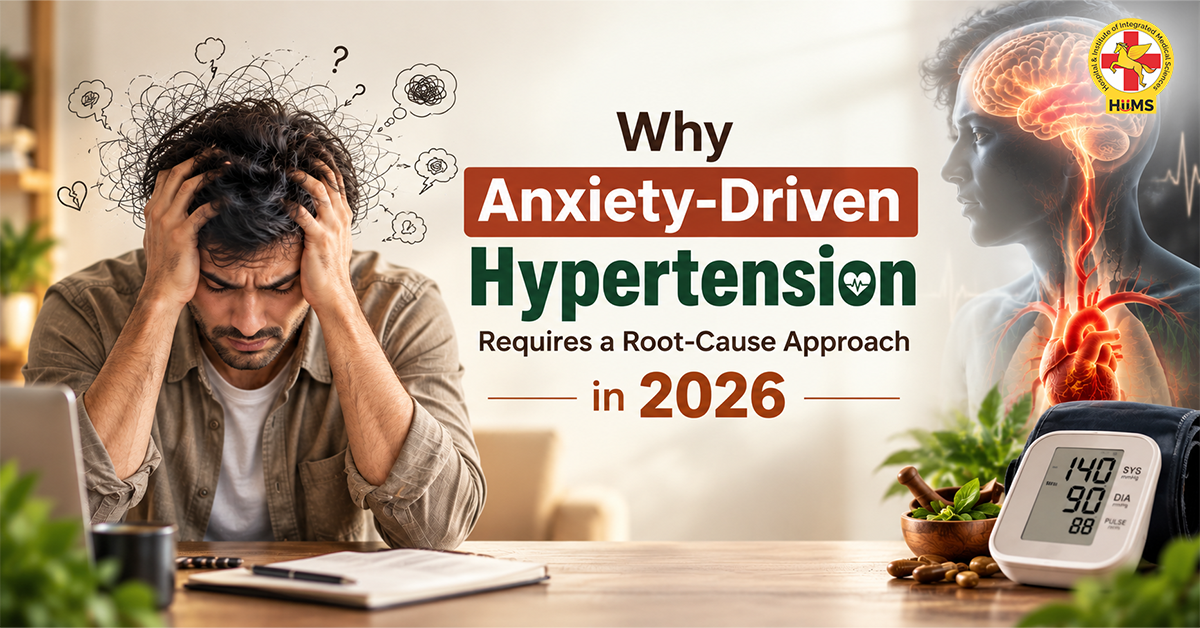

You check your blood pressure again. The reading is higher than expected, and before you know it, you are checking it one more time. For someone already living with kidney, liver, or another chronic condition, this can become a stressful routine.
Anxiety can cause real physical changes. When the body goes through a stress response, hormones such as adrenaline and cortisol can affect heart rate, blood vessels, and fluid balance. This can lead to a rise in blood pressure. So, when people ask, does anxiety increase blood pressure?, the answer has a clear physiological basis.
This connection also has significance in India. NIMHANS states that there are anxiety disorders in 3.6% of the general Indian population. For people already managing a chronic disease, ongoing worry can add another layer to an already demanding health situation.
This is where looking beyond just a single blood pressure reading becomes important. Instead of focusing only on the number, it can be useful to consider the factors that may be contributing to repeated changes.
How Anxiety Can Raise Blood Pressure
The Fight-or-Flight Response
Anxiety can trigger a physical reaction that you may notice even before you realise how stressed you are. The body moves into fight-or-flight mode. Adrenaline can get the heart beating faster and cause the blood vessels to tighten. Cortisol can play a part too, affecting fluid balance and changing how the blood vessels react to other hormones.
These reactions are useful when the body needs to respond to immediate danger. The concern arises when stress becomes frequent or continues for a long time.
Why Repeated Anxiety Can Create a Feedback Loop
A high reading can create fear. That fear may increase anxiety, which can then affect the next reading. Over time, checking the number can itself become a source of worry.
Anxiety is only one possible factor behind a high reading. Kidney health, the medicines a person takes, daily food habits, sleep, physical activity, and other health problems can all play a part in blood pressure. But anxiety can be one of the factors involved.
Why Chronic Disease Can Add Another Layer of Pressure
Living with a long-term illness can bring repeated appointments, tests, procedures, dietary changes, disturbed sleep, and uncertainty about what comes next. For someone undergoing dialysis, for example, treatment becomes part of a weekly routine. For someone with liver disease, regular scans and blood tests can create their own cycle of anticipation.
The body can start responding to these situations before a procedure even starts. Heart rate may increase, breathing may change, and the person may feel tense while simply waiting for an appointment.
Kidney Disease and Blood Pressure
The kidneys have an important role in regulating fluid, sodium, and blood pressure. When kidney function is affected, these processes can also change. The renin-angiotensin-aldosterone system is one pathway involved in blood-pressure regulation and can contribute to blood-vessel narrowing and fluid retention.
Anxiety adds another stress process. This is why someone with kidney disease may have several factors influencing their blood pressure at the same time.
Liver Disease and Ongoing Stress
People living with cirrhosis or other chronic liver conditions may also experience ongoing uncertainty and emotional strain. Regular monitoring, changes in daily habits, and concerns about disease progression can all affect a person’s overall well-being.For this reason, blood pressure is better understood alongside the person’s wider health picture rather than viewed in isolation.
Understanding the Anxiety–Hypertension Feedback Loop
The pattern can be simple:
Chronic illness → worry → stress response → changes in heart rate and blood vessels → higher blood pressure → fear about the reading → more stress
Breaking this cycle does not mean ignoring blood pressure. It means paying attention to both the readings and the situation around it.
Sleep, daily routine, emotional stress, food habits, medicines, and the underlying disease may all deserve attention when blood pressure repeatedly changes.
The Ayurvedic Perspective of Anxiety, Manas and Circulation
Ayurveda traditionally views the mind and body as closely connected. Manas, or the mind, is considered an important part of overall functioning rather than something completely separate from physical health.
Within the Ayurvedic framework, factors such as irregular routines, disturbed sleep, fear, emotional strain, and prolonged fasting are traditionally associated with Vata aggravation.
What Is Manas in Ayurveda?
In Ayurveda, Manas relates to mental activity, thoughts, emotions, attention, and perception. When daily routines become irregular and the mind remains unsettled, Ayurveda considers this capable of affecting physical functions as well.
This perspective gives importance to regular meals, proper rest, calming routines, and balanced daily habits.
Understanding Rakta Gata Vata
Rakta Gata Vata is an Ayurvedic term describing Vata affecting Rakta, or blood tissue. It should be understood within the traditional Ayurvedic system rather than treated as a direct health equivalent of modern hypertension.
From this perspective, disturbed Vata may be associated with sensations such as restlessness, palpitations, fluctuating experiences, and disturbed sleep. Ayurveda therefore considers the state of the mind, routine, digestion, and circulation together.
Why a Root-Cause Approach Looks Beyond the Blood Pressure Reading
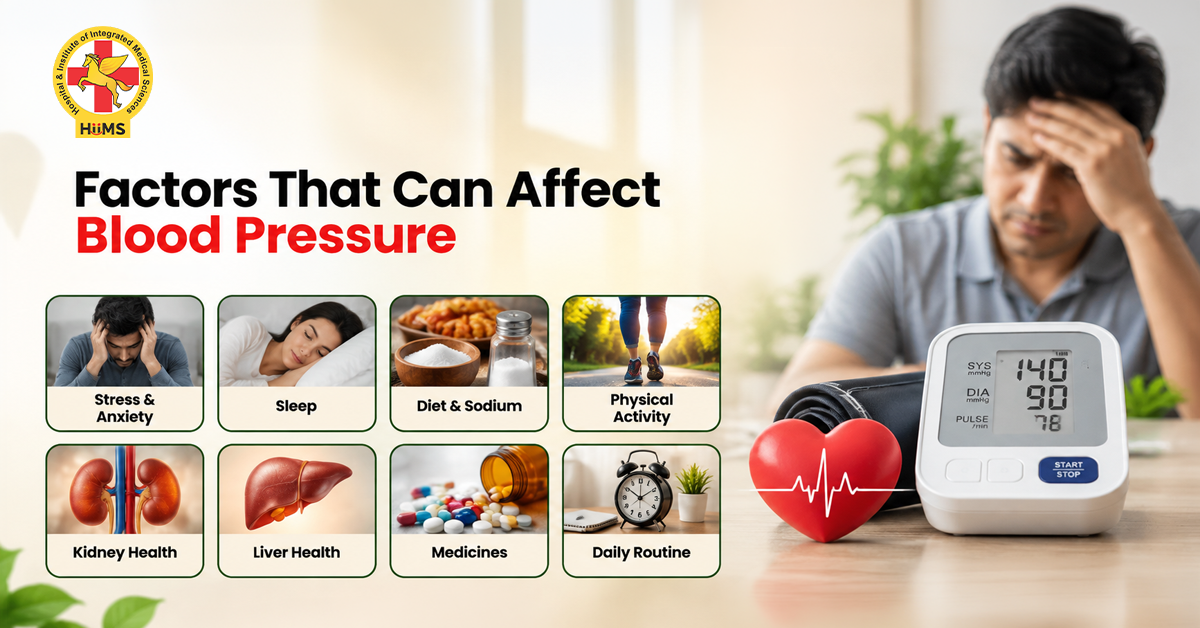
Managing blood pressure remains important. At the same time, a broader approach asks what may be influencing repeated changes.
This can include:
- Sleep and stress levels
- Food choices and meal timing
- Physical activity
- Kidney or liver function
- Fluid and sodium intake
- Current medicines
- Daily routine
- Emotional pressure
- Individual health history
A root-cause approach does not mean stopping prescribed treatment. Rather, it means looking at the wider picture while continuing appropriate medical monitoring.
Ayurvedic Detoxification and Panchakarma: The HiiMS Approach
Ayurveda uses the concept of Ama to describe unwanted residue associated traditionally with impaired digestion and metabolism. Ayurvedic treatment may therefore focus on improving digestion, maintaining regular elimination, balancing daily routines, and using therapies selected for the individual.
At HiiMS, Panchakarma is offered as a structured Ayurvedic therapy under professional supervision.

Abhyanga
Abhyanga is a traditional full-body oil massage. In Ayurveda, it is commonly used as part of routines intended to calm Vata and create a sense of relaxation.
For someone dealing with ongoing stress, a structured relaxation practice may also become part of a wider routine involving sleep, food, movement, and rest.
Shirodhara
Shirodhara involves a continuous stream of warm oil directed over the forehead. It is traditionally used in Ayurveda as a calming therapy and may be included when relaxation and rest are important parts of the person’s care plan.
Virechana and Supervised Elimination
Virechana is a classical Ayurvedic procedure involving therapeutic elimination. Such procedures should not be attempted casually, especially by people with kidney, liver, or other significant health conditions.
The suitability, timing, and intensity of any Panchakarma procedure need to be decided according to the individual’s health status.
A broader approach to hypertension can include appropriate medical care along with attention to stress, sleep, diet, daily routine, and other factors that may influence blood pressure.
Dietary Changes That May Help Manage Stress and Blood Pressure
Food habits can influence both blood pressure and daily well-being. However, people with kidney or liver disease may have specific dietary needs, so general recommendations should always be adjusted to their condition.
Reduce Excess Sodium Without Losing Taste
Instead of relying heavily on salt, Indian cooking can use lemon, kokum, amchur, curry leaves, and fresh coriander for flavour.
People with kidney disease should be particularly careful with potassium-containing foods or salt substitutes and should follow the advice of their treating healthcare professional.
Prefer Fresh, Simply Prepared Meals
Freshly prepared meals can make it easier to control ingredients and sodium levels. Namkeen, pickles, papad, instant mixes, and many packaged foods can contain considerable amounts of sodium.
Simple cooking with fresh ingredients can make everyday meals easier to manage.
Choose Foods That Fit Your Condition
Foods such as moong dal, lauki, tinda, and seasonal vegetables can be part of many Indian meals. However, there is no single diet suitable for every person with kidney or liver disease.
Food choices should take current kidney function, liver health, electrolyte levels, medicines, and other dietary requirements into account.
Keep Meal Timings Regular
Irregular eating and late meals can make daily routines harder to maintain. Ayurveda places importance on regularity, particularly when discussing Vata. Keeping meal timings reasonably consistent can therefore be a practical part of a structured lifestyle.
What About Ashwagandha and Brahmi?
Ashwagandha and Brahmi are traditionally used in Ayurveda in different ways, including as part of routines focused on the mind and sleep.
However, “natural” does not automatically mean suitable for everyone. People with kidney or liver conditions may take several medicines or have specific restrictions. Herbs can also interact with medicines or may not be appropriate for certain health conditions.
Anyone considering these herbs should discuss them with a qualified healthcare professional before use.
Why Integrated Care is Important for Chronic Patients
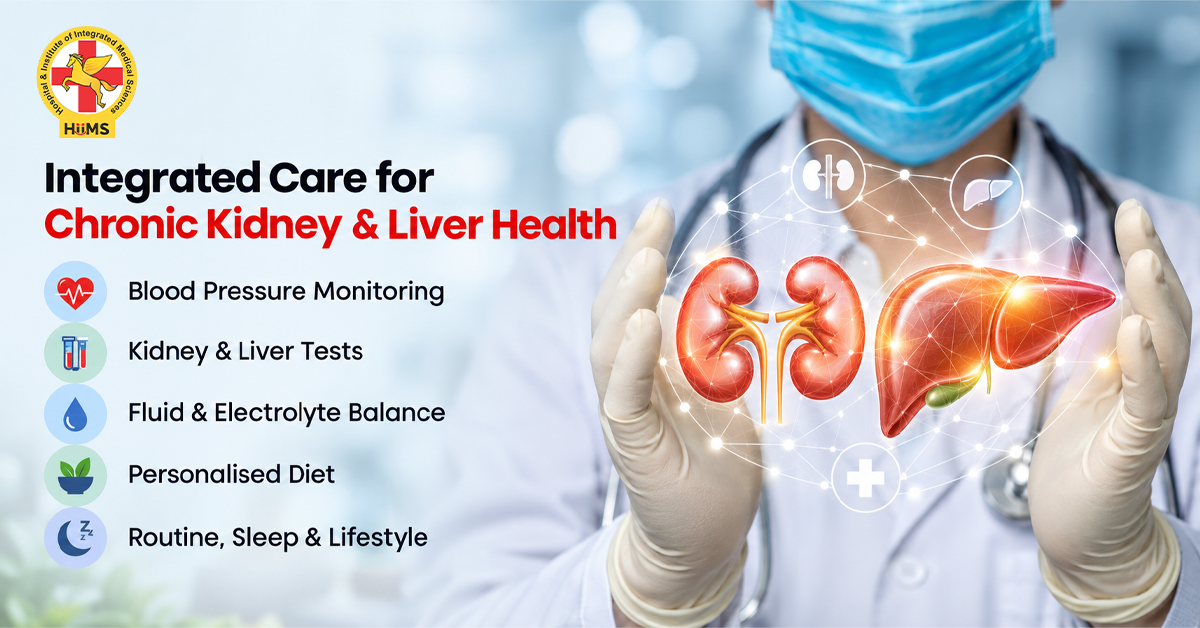
People with chronic kidney or liver conditions often need closer monitoring when making changes to their treatment or daily routine.
Monitoring Things
Depending on the condition, healthcare professionals may monitor:
- Creatinine and eGFR
- Liver enzymes
- Electrolytes
- Blood pressure
- Fluid status
- Other relevant health markers
These findings can help determine what is appropriate for the individual.
Personalised Therapy
The same therapy or diet may not suit everyone. Kidney function, liver function, medicines, fluid restrictions, blood pressure patterns, and overall health can all influence a care plan.
This is particularly important when Ayurvedic procedures are being considered alongside ongoing healthcare treatment.
The Value of a Structured Environment
A structured setting can make it easier to maintain regular meals, sleep schedules, therapy sessions, and professional observation. For someone whose routine has been disrupted by chronic illness, creating consistency can itself be valuable.
The goal should be a care plan that considers the whole person without ignoring the medical condition that requires monitoring.
How to Track Progress Beyond a Single Blood Pressure Reading
One reading does not always tell the complete story. Tracking patterns can give a healthcare professional more useful information.
Consider keeping note of:
- Blood pressure readings over time
- Sleep quality
- Stress levels
- Episodes of anxiety or palpitations
- Appetite and digestion
- Any new or worsening symptoms
- Medication changes made by your doctor
Why Patterns Are Important
Blood pressure naturally changes during the day. Looking at properly taken readings over time can help show whether a pattern is developing and whether further assessment is needed.
When Anxiety and High Blood Pressure Need Medical Attention
Anxiety should not automatically be blamed for a high reading. Persistently elevated blood pressure needs proper assessment, particularly when a person already has a chronic condition.
Look for prompt medical attention for concerning symptoms such as chest discomfort, significant difficulty breathing, fainting, or sudden severe symptoms. These situations should not be managed at home with relaxation techniques or Ayurvedic remedies alone.
What You Need to Know About Anxiety-Driven Hypertension
- Anxiety can produce physical changes that may temporarily raise blood pressure.
- Chronic illness can add ongoing emotional and physical stress.
- Kidney disease can affect blood-pressure regulation through fluid balance and hormonal pathways.
- Ayurveda considers the mind and body interconnected through concepts such as Manas and Vata.
- Panchakarma procedures should be individualized and supervised, especially when kidney or liver function is affected.
- Diet, sleep, routine, and stress management can form part of a broader approach to blood-pressure management.
- Prescribed blood-pressure medicines should never be stopped or changed without guidance from the prescribing healthcare professional.
Conclusion
Anxiety and hypertension can influence each other, particularly when chronic illness is already part of daily life. Looking beyond a single blood pressure reading can help bring attention to sleep, stress, diet, routine, kidney or liver function, medicines, and other factors. Ayurveda also considers the relationship between Manas, Vata, daily habits, and physical functioning.
At Jeena Sikho HiiMS, an integrated approach can consider these aspects alongside clinical monitoring. If you are looking for personalised guidance for your health concerns, you can book a free consultation with Jeena Sikho HiiMS and discuss your symptoms, lifestyle, and health needs with the care team.

FAQs
Q1: Can anxiety cause high blood pressure?
Anxiety can temporarily raise blood pressure by activating the body’s stress response, which can affect heart rate and blood-vessel activity.
Q2: Why does my blood pressure rise when I feel stressed?
Stress can trigger hormones such as adrenaline that increase heart activity and narrow blood vessels, causing a temporary rise in blood pressure.
Q3: Can chronic illness increase anxiety?
Living with regular tests, treatments, uncertainty, and changes in daily life can contribute to ongoing stress and anxiety.
Q4: What does Ayurveda say about anxiety and blood pressure?
Ayurveda views the mind and body as interconnected and considers factors such as Manas, Vata, sleep, diet, and daily routine when assessing an individual’s health.
Q5: When should high blood pressure be checked by a doctor?
Repeatedly high readings or high blood pressure accompanied by concerning symptoms should be discussed with a healthcare professional for proper assessment.
Ayurvedic Heart Care Products
100% natural, certified Ayurvedic formulations crafted for targeted heart wellness.



Disclaimer: The information provided on this blog is for general educational and informational purposes only. It is not intended to replace professional medical advice, diagnosis, or treatment. Always consult a qualified healthcare professional before making any changes to your diet, lifestyle, or treatment plan. Individual results may vary.