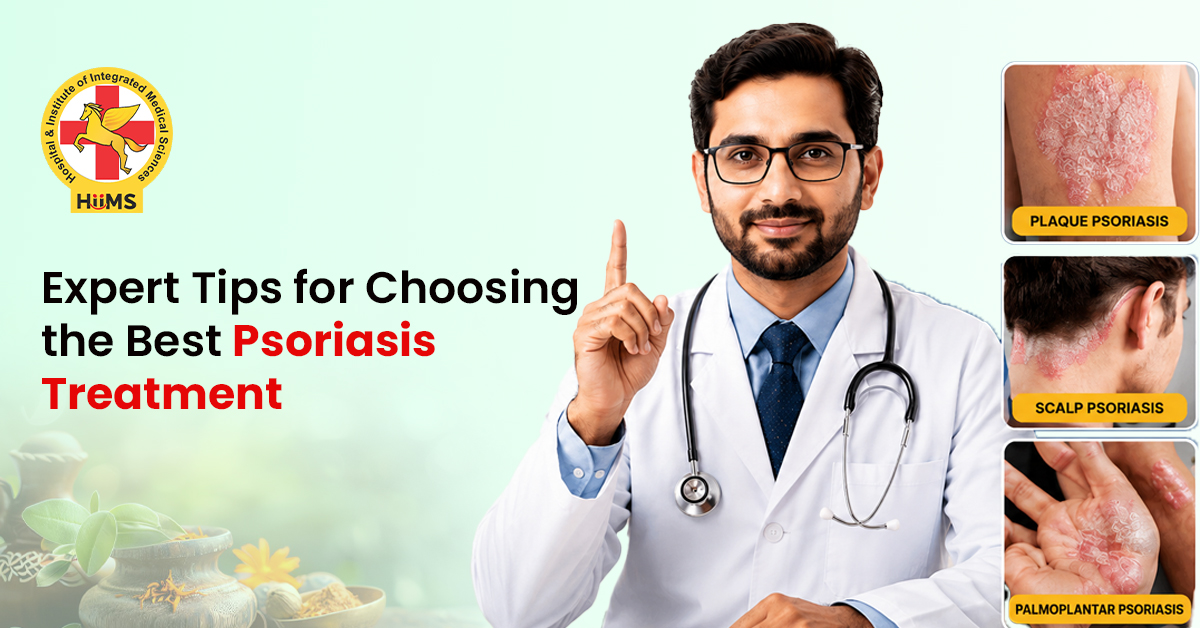

Psoriasis is a long-term skin problem that causes red, dry, thick, and itchy patches on the skin. For many people, it becomes difficult to manage because the patches keep returning after some time. The condition may affect the scalp, elbows, knees, back, or nails and can sometimes make daily life uncomfortable. Many people try different creams and home remedies but still do not get long-lasting relief. That is why choosing the Best Psoriasis Treatment becomes very important. A good treatment should not only focus on the skin but also on the overall health of the body. At Jeena Sikho HiiMS, doctors believe that healthy skin also depends on proper digestion, stress control, sleep, and daily habits. Different people may have different triggers for psoriasis, so treatment should match the person’s condition and lifestyle. In this blog, you will learn simple and useful tips that can help you choose the right psoriasis care and support healthier skin in a natural and practical way.
Understand Psoriasis Properly Before Starting Treatment
Many people think psoriasis is only a skin allergy, but it is more than that. In psoriasis, skin cells grow faster than normal and collect on the surface of the skin. This creates thick and flaky patches that may itch or burn. The condition often comes and goes in cycles.
Before choosing any treatment, it is important to understand your symptoms properly. Some people may have mild dryness, while others may face painful cracks or heavy scaling. Understanding the condition helps in selecting the right care plan and avoiding unnecessary products.
Look for Treatment That Focuses on the Root Cause
One important thing to remember is that psoriasis does not always improve with surface creams alone. Stress, unhealthy eating habits, poor sleep, smoking, alcohol, and weak digestion may also affect the skin.
The Best Psoriasis Treatment is usually the one that looks at the root cause instead of giving temporary relief. A complete care plan may include:
- Healthy eating habits
- Proper sleep schedule
- Stress management
- Herbal support
- Skin hydration
- Regular medical guidance
When the body becomes healthier from within, the skin often responds better over time.
Choose a Skin Specialist With Experience
Psoriasis changes from person to person. Sometimes the condition becomes mild, and at other times it suddenly gets worse. This is why choosing an experienced skin specialist is very important.
A good doctor studies:
- Your skin condition
- Daily lifestyle
- Eating habits
- Stress levels
- Sleep pattern
- Family history
This helps in creating a treatment plan according to your body’s needs. Regular follow-up is also important because psoriasis may need changes in treatment with changing weather or routine.
Importance of Daily Skin Care in Psoriasis
People with psoriasis should take extra care of their skin every day. Dry skin can increase itching and discomfort. Simple habits can make a big difference in managing the condition.
Simple Psoriasis Skin Care Tips
The following Psoriasis Skin Care Tips may help support healthier skin:
- Use mild and gentle soaps
- Apply moisturizer regularly
- Avoid scratching the skin
- Drink enough water daily
- Wear soft cotton clothes
- Protect skin from extreme weather
- Avoid very hot water while bathing
These small habits help in keeping the skin calm and less irritated.
Check if the Treatment Supports Long-Term Care
Psoriasis is usually a long-term condition, so people should not expect overnight results. Many quick solutions may only reduce symptoms for a short time.
The Best Psoriasis Treatment should support long-term skin health and be easy to follow daily. Treatments that include balanced food, proper routine, stress control, and gentle therapies often become more practical for long-term management.
Patients should also ask doctors:
- How long the treatment may continue
- What lifestyle changes are needed
- Whether there are side effects
- How to manage flare-ups
Clear understanding helps people stay patient and consistent with the treatment plan.
Natural and Ayurvedic Support for Psoriasis at Jeena Sikho HiiMS
Many people now look for natural methods because they want gentle and holistic care. Ayurveda focuses on balancing the body from within instead of only covering skin symptoms.
Ayurvedic Herbs Commonly Used in treatment for psoriasis
Some herbs traditionally used in treatment for psoriasis include:
- Neem
- Turmeric
- Manjistha
- Khadir
These herbs are known in Ayurveda for supporting skin health and helping the body feel balanced. Along with herbs, doctors may also suggest:
- Detox support
- Oil therapies
- Healthy meals
- Light exercise
- Proper sleep routine
At Jeena Sikho HiiMS, Ayurvedic care focuses on improving overall wellness along with skin comfort. This approach may help people manage psoriasis in a calmer and more natural way.
Avoid Common Mistakes While Choosing Treatment
Many people make mistakes that can delay improvement. Some common mistakes include:
Changing Treatments Too Quickly
People often stop treatment after a few weeks if results are slow. Psoriasis care usually needs patience.
Using Too Many Products Together
Trying different creams and home remedies at the same time may irritate the skin more.
Ignoring Lifestyle Habits
Poor sleep, stress, junk food, and smoking may worsen symptoms even with medicines.
Skipping Doctor Consultation
Self-treatment without proper advice may not suit every skin type.
Avoiding these mistakes can make the treatment journey smoother and more effective.
Lifestyle Changes That Support Psoriasis Care
Daily habits play an important role in skin health. Along with medicines and therapies, healthy routines can support better results.
Helpful Lifestyle Habits
- Eat freshly cooked food
- Reduce oily and processed food
- Stay physically active
- Sleep on time
- Practice stress-relieving activities like yoga or meditation
- Stay hydrated throughout the day
These healthy routines support both physical and mental wellness, which may help in reducing psoriasis triggers.
Why Personalised Care Matters
No single solution works for every psoriasis patient. Some people may need stronger medical support, while others may benefit from lifestyle improvement and Ayurvedic therapies.
The Best Psoriasis Treatment is the one that matches your body type, symptoms, and daily routine. Personalised care also helps doctors monitor improvement and make changes whenever needed.
More Psoriasis Skin Care Tips for Better Comfort
Along with medical care, these extra Psoriasis Care Tips may help:
- Keep nails trimmed to avoid scratching
- Use fragrance-free skin products
- Avoid stress as much as possible
- Take sunlight exposure carefully and in moderation
Simple care and patience often help people feel more comfortable with their skin condition.
Conclusion
Psoriasis may become stressful when the same dryness, itching, and irritation keeps returning on the skin. Since every person experiences different symptoms, proper care should always match the person’s needs. The Best Psoriasis Treatment is not only about reducing skin patches for some time but also about improving overall wellness.
Healthy meals, good sleep, less stress, and daily skin care are small things but they often help a lot. At Jeena Sikho HiiMS, the doctors focus on holistic care that feels simple and practical for everyday routine. When treatment is followed patiently and regularly, many people notice gradual improvement in their skin condition over time.
FAQs
- What is psoriasis?
Psoriasis is a skin condition that causes red, dry, and itchy patches on the skin.
- What are common symptoms of psoriasis?
Dryness, itching, redness, thick skin patches, and flaking are common symptoms.
- Which body parts are affected by psoriasis?
It can affect the scalp, elbows, knees, back, and nails.
- Are natural methods useful for psoriasis?
Some people find natural and Ayurvedic care helpful for overall balance.
- Can stress affect psoriasis?
Yes, stress is a common trigger that may worsen the condition.

Disclaimer: The information provided on this blog is for general educational and informational purposes only. It is not intended to replace professional medical advice, diagnosis, or treatment. Always consult a qualified healthcare professional before making any changes to your diet, lifestyle, or treatment plan. Individual results may vary.