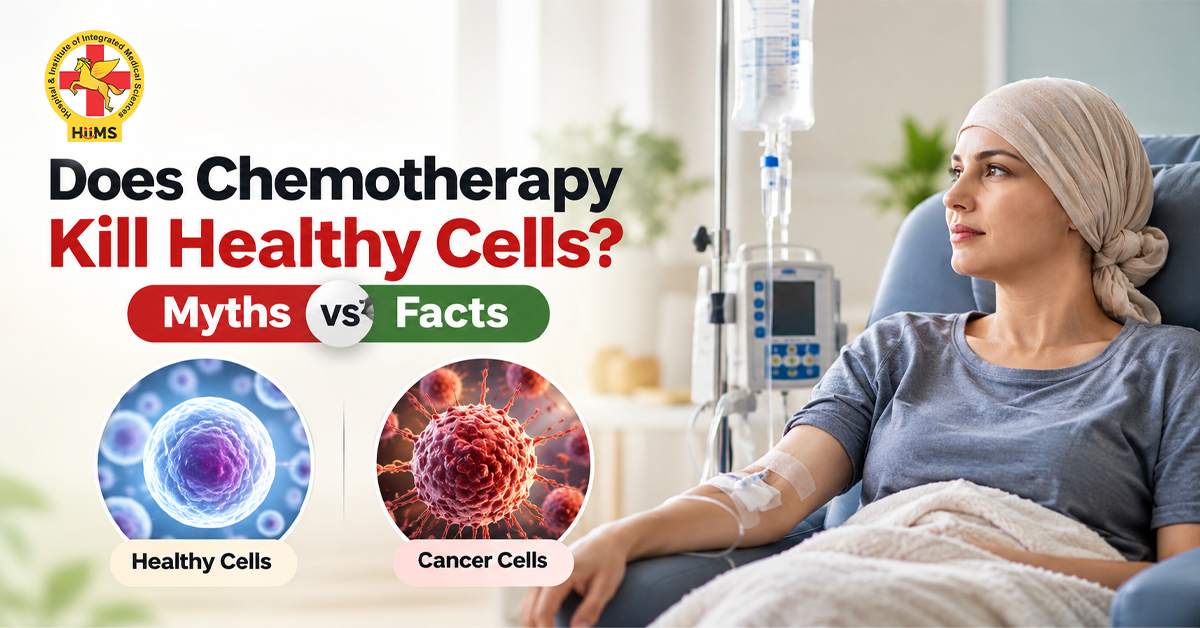

A common question families ask right after a diagnosis is simple, will chemotherapy also harm the healthy parts of the body along with the cancer? It’s a fair worry, and honestly, doctors hear this question in nearly every first consultation.
So let’s actually get into it, plainly and with proper research behind it: does chemotherapy kill healthy cells, what side effects actually show up, and separating what’s myth from what’s genuinely backed by evidence.
Table of Contents
How Does Chemotherapy Work?
According to the National Cancer Institute, chemotherapy works by killing or stopping the growth of cancer and other fast-growing cells in the body.
It’s used either to treat cancer directly, shrinking tumors or stopping their spread, or to ease symptoms caused by a tumor pressing on other structures. Understanding how does chemotherapy work is really the starting point for understanding why side effects happen at all.
Currently going through chemotherapy and dealing with fatigue or appetite loss? It’s worth exploring supportive natural options alongside your prescribed treatment rather than just pushing through alone.
Does Chemotherapy Kill Healthy Cells? Here’s the Direct Answer
Yes, it does, and this isn’t a myth; it’s directly stated by the NCI itself. Chemotherapy doesn’t just kill fast-growing cancer cells; it also kills or slows the growth of healthy cells that grow and divide quickly.
This is really the core answer to does chemotherapy kill healthy cells, and understanding this helps explain nearly every side effect that follows.
Chemotherapy Myths and Facts People Often Get Wrong
There’s a lot of confusion floating around, so let’s separate a few common chemotherapy myths and facts:
1) Myth: Chemotherapy only targets cancer cells.
- Fact: According to Drugs.com, chemotherapy drugs don’t distinguish between healthy cell division and cancer cell division, so any fast-dividing cell is affected.
2) Myth: All side effects are permanent.
- Fact: The American Cancer Society notes that most side effects improve or go away after treatment ends, though some can be long-term depending on the drug used.
3) Myth: Everyone experiences the same side effects.
- Fact: Severity varies significantly from person to person, and some people experience very few side effects at all.
What Are the Common Chemo Side Effects?
Since chemo side effects are directly tied to which healthy cells get affected, it helps to know exactly what’s commonly reported. Here are the chemo side effects:
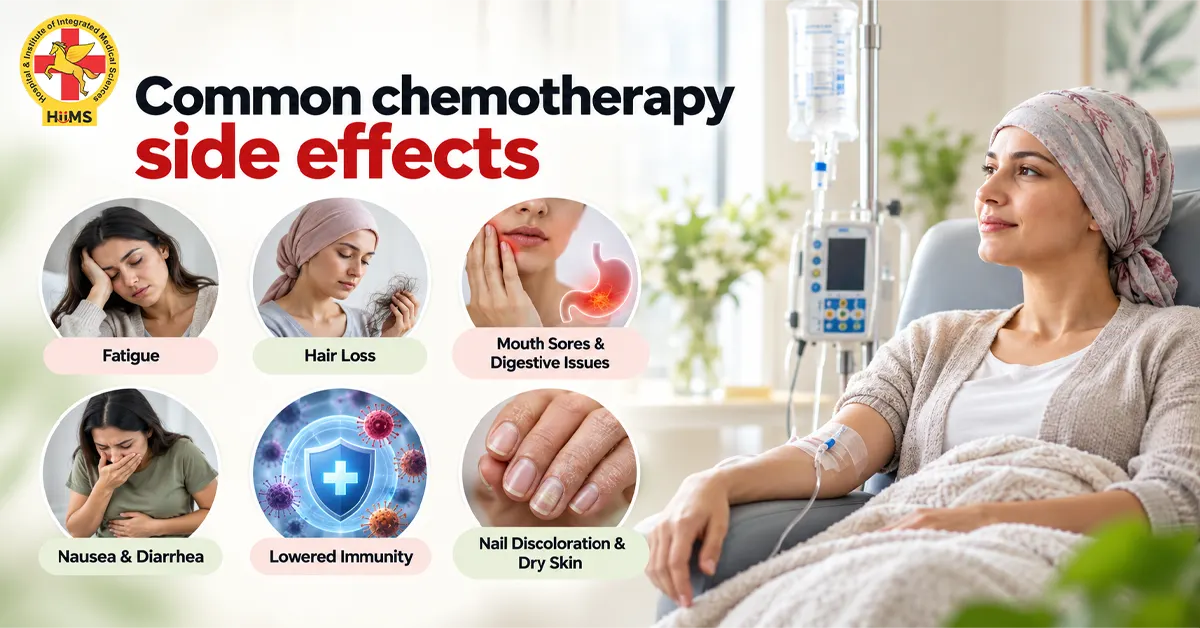
- Fatigue, described as the most common side effect overall
- Hair loss, due to damage to fast-growing hair follicle cells
- Mouth sores and digestive issues, since cells lining the mouth and intestines divide quickly too
- Nausea and diarrhea are reported by more than half of people receiving chemotherapy, according to the NCI
- Lowered immunity, from a reduced white blood cell count
- Nail discoloration and dry skin
Chemotherapy Effect on Healthy Cells – Which Systems Are Affected Most
The chemotherapy effect on healthy cells isn’t spread evenly across the body. It concentrates on tissues where cells naturally divide fast, such as bone marrow, hair follicles, and the lining of the mouth and digestive tract, according to Medical News Today.
Beyond these, some chemo drugs can also affect the heart, kidneys, bladder, lungs, and nervous system, and one research paper found anemia affects roughly 67% of cancer patients undergoing chemotherapy in the US.
Is Chemotherapy Safe Despite These Effects?
This is really the question underneath all the others. Is chemotherapy safe given everything above? For most patients, yes, doctors weigh the benefit of controlling or eliminating cancer against these known, generally temporary effects, and often prescribe supportive medications alongside chemo specifically to reduce nausea or protect certain organs.
Ongoing research into redesigning chemo drugs to target tumors more precisely while sparing healthy tissue shows this is an active area of medical improvement, not a settled, unchangeable trade-off.
Where Does Ayurvedic Support Fit In for Managing Side Effects?
This is where many patients start looking beyond just the prescribed medication. Ayurvedic supportive care doesn’t claim to reduce chemotherapy’s effect on the body directly, but it’s commonly used to help patients cope with fatigue, digestion, and appetite loss during treatment. At Jeena Sikho HiiMS, this typically includes:
- Golden Therapy, an external herbal paste application meant to support the body’s natural cleansing process, and cancer detox juice made from fresh vegetables and herbs.
- Cancer detox juice, made from green leafy vegetables and other fresh ingredients, is taken as part of a daily routine.
- Panchakarma-based therapies are planned around the patient’s current strength and treatment stage.
Conclusion
Chemotherapy genuinely does affect healthy cells alongside cancer cells, and that’s exactly why side effects happen, not because something’s gone wrong, but because of how the treatment fundamentally works.
Understanding this helps set realistic expectations rather than relying on myths in either direction. If you want to explore supportive Ayurvedic care alongside your existing treatment plan, you can book a VOPD consultation with Jeena Sikho HiiMS to discuss your specific case with our team.

FAQ’s
Q1 Do all chemotherapy drugs cause the same side effects?
No, not everyone experiences the same side effects depending on the particular dose, and individual patient factors.
2 Are the side effects of chemotherapy permanent?
Most side effects go away after treatment is over. Some drugs can cause longer – term side effects, such as nerve damage. Your doctor can discuss side effects related to your specific treatment regimen.
3 Is supportive care able to prevent chemotherapy’s effect on healthy cells?
Doctors often prescribe supportive drugs to manage some of the side effects and some patients also use Ayurvedic support for fatigue and digestion along with prescribed treatment.
4 Why do you lose hair during chemotherapy?
Like cancer cells, hair follicle cells divide rapidly and are therefore especially sensitive to the effects of chemotherapy.
5 If chemotherapy side effects are bad, should I stop?
Discuss any serious side effects with your doctor, who may adjust your dose or prescribe supportive treatment as needed.

Disclaimer: The information provided on this blog is for general educational and informational purposes only. It is not intended to replace professional medical advice, diagnosis, or treatment. Always consult a qualified healthcare professional before making any changes to your diet, lifestyle, or treatment plan. Individual results may vary.