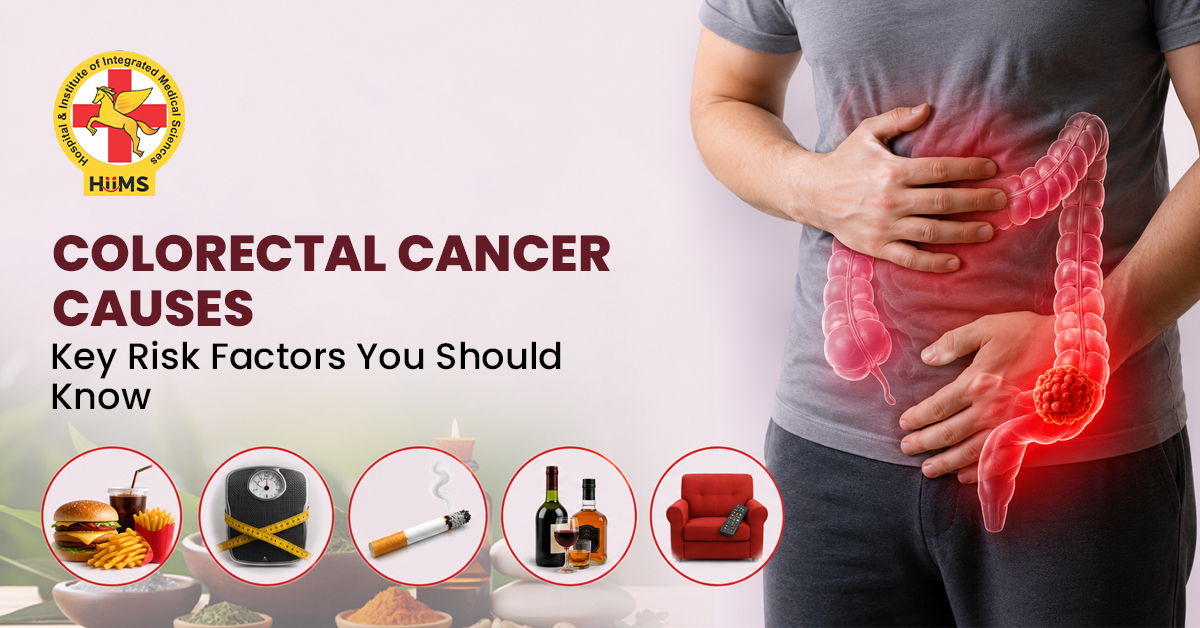

Colorectal cancer is becoming a growing concern, and many people still don’t clearly understand what actually leads to it. When people try to understand the causes of colorectal cancer, they often look for a single reason. But if you look closely, it’s more than just one factor. It’s more about patterns, daily habits, food choices, family history, and how the body responds over time.
It usually doesn’t start with something obvious. At times, it shows up as small digestive changes that are easy to ignore or a feeling that something is slightly off, but not serious enough to act on. This is how many lifestyle-related concerns quietly build in the background, without drawing much attention in the beginning.
The idea here isn’t to create fear. It’s to understand what may increase the chances and what can be managed early with awareness. When you start noticing these patterns, it becomes easier to take small, practical steps toward better balance and long-term well-being.
What Are the Common Causes of Colorectal Cancer?
If we want to discuss the cause of colon cancer, we need to consider the risk factors instead of specific reasons. There are some things that you can manage, and there are some that cannot be controlled.
1. Lifestyle Patterns That Build Over Time
The personal lifestyle you maintain is far more important than what you think. If your body maintains irregular eating patterns, unhealthy food habits, and sitting for long periods, all these things might affect your digestive system.
In fact, a poor diet containing high amounts of refined foods and insufficient fruits and vegetables could be related to lifestyle causes of colorectal cancer. When the body is not moving enough, digestion tends to slow down, which may create internal imbalance.
2. Age and Natural Body Changes
As the body ages, internal systems don’t work the same way as before. This is why the risk factors for colorectal cancer often increase after the age of 50.
It doesn’t mean something will happen, but awareness becomes more important with time. It is possible that regular follow-ups and monitoring of change can help.
3. Family History and Genetic Factors
Some individuals have a risk of hereditary colorectal cancer through their genetics. Should there be similar concerns within the immediate family background, it is possible for them to run higher risks. It does not mean that one will certainly develop it, but it does emphasise its importance.
4. Digestive Health and Gut Imbalance
Long-term digestive discomfort is something many people ignore. Issues such as irregular digestion, feeling bloated, and digestive pain after meals can indicate a more serious problem.
If left unaddressed over an extended period of time, they can even be attributed to colorectal cancer management. Keeping the digestive system healthy is thus important for good well-being.
5. Smoking and Alcohol Consumption
Some habits silently undermine one’s internal health. It involves the habit of smoking and the intake of alcohol, which are responsible for causing many diseases and conditions, including digestive disorders.
Can Colorectal Cancer Be Prevented Through Lifestyle?
There is no single step that guarantees prevention, but small changes can go a long way in supporting better health.
- Focus on Daily Food Choices
Fibre-filled foods such as fruits, vegetables, and whole grains can contribute to an overall healthy diet that will stimulate digestion. Bowel function is also facilitated by fibre-filled foods. - Stay Physically Active
Any kind of physical activity, like walking, could facilitate digestion. You don’t need intense workouts; consistency matters more than intensity. - Manage Stress Levels
Stress often affects digestion more than we realise. Maintaining simplicity in your daily routine, having adequate sleep, and taking short breaks throughout the day are some actions that may help you keep balance. - Build Regular Eating Habits
These are often considered natural ways to prevent colorectal cancer. It is always advisable to eat at regular intervals and not consume heavy food during late hours of the night, which helps improve digestive system functioning. These little things are sometimes not given much attention, but play a significant role when practised over an extended period.
A Natural Approach to Colorectal Cancer Prevention
Many people today are also exploring traditional systems like Ayurveda for a more balanced way of living. Rather than concentrating on a single issue, this approach considers the whole body.
From this point of view, Ayurvedic colorectal cancer prevention involves maintaining digestive harmony, building healthy daily living, and helping body systems perform normally. This is achieved through various techniques such as mindfully eating food, having a routine according to the season, and safe body cleansing. The approach is not about replacing anything, but rather working alongside the body systems.
About Jeena Sikho HiiMS
At Jeena Sikho HiiMS, the focus is on understanding lifestyle patterns and how they connect with overall health. However, the Ayurvedic prevention for colon cancer does not revolve around instant gratification but rather the slow process of change that one can incorporate into their day-to-day life. In this case, emphasis is placed upon food habits, daily routines, and the natural approach towards health. Each individual is seen differently, which means that suggestions are often personalised based on their habits and body type.
For those exploring colorectal cancer causes management from a natural perspective, such environments can offer guidance on how to align lifestyle choices in a more structured way. It’s more about understanding your body than following strict rules.
Conclusion
Understanding the causes of colorectal cancer is less about finding one clear answer and more about recognising patterns over time. All these factors, along with daily activities, help determine the overall well-being of an individual. The positive aspect about all of these factors is that little effort makes a lot of difference. Being mindful of what you do every day, eating right, and exercising will definitely bring equilibrium to your life.
In case you are wondering how your present way of living is impacting your health and are interested in knowing more, you might want to think of availing a VOPD consultation from Jeena Sikho HiiMS. For further details, please contact us at: Email: care@jeenasikho.com

FAQs
Q1. What is the risk factor for colon cancer?
Age, lifestyles, family history, and digestive tract patterns are among the most common risk factors.
Q2. Does lifestyle matter in this case?
Healthy daily lifestyles, such as balanced nutrition and physical activity, contribute to good health conditions.
Q3. Is cancer always hereditary?
The disease has genetic and non-genetic origins.
Q4. What can be done to maintain a healthy digestive tract?
Consuming dietary fibre, engaging in physical activities, and sticking to a daily schedule are essential.
Q5. Are there natural means to avoid the disease?
Natural means might be useful, provided that one sticks to them properly.
Disclaimer: The information provided on this blog is for general educational and informational purposes only. It is not intended to replace professional medical advice, diagnosis, or treatment. Always consult a qualified healthcare professional before making any changes to your diet, lifestyle, or treatment plan. Individual results may vary.