
When people search for Ayurveda centres in India, they usually want more than just a place to consult a doctor. They want to understand their health concerns, know which treatments are available, and find care that fits their needs. Some may need a hospital with admission facilities and Panchakarma therapies, while others may only need a consultation, dietary advice, or a short stay.
And so for that, Jeena Sikho HiiMS brings these options together through its network of Ayurvedic hospitals, clinics, and daycare centres. Founded by Acharya Manish Ji, a renowned personality and Ayurveda guru, the organisation follows an integrated approach that places importance on both treatment and patient education.
In this blog, you will explore Jeena Sikho HiiMS hospitals, clinics, and daycare centres, understand the services they offer; and learn how to find a suitable centre near you.
Table of Contents
Understanding Jeena Sikho HiiMS and Its Approach to Ayurvedic Healthcare
When you choose an Ayurvedic centre, a nearby doctor isn’t enough. You also want to know what kind of care the centre offers, whether it has the facilities you need, and where you can turn for guidance after your first visit. That’s why it helps to understand the different types of Ayurvedic healthcare facilities before you decide.
The Vision Behind Jeena Sikho HiiMS
Jeena Sikho HiiMS was founded by Acharya Manish Ji, a renowned personality and Ayurveda guru. The organisation brings together hospitals, clinics, and daycare facilities so that people can explore different options for Ayurvedic care, depending on their health concerns and the services available at a particular location.
Its approach places importance on patient education alongside consultations and treatment. Patients need an opportunity to discuss their concerns, understand the care recommended by their doctor, and ask questions about their daily routine, food habits, and other factors that may affect their general health.
Helping Patients Understand Their Health
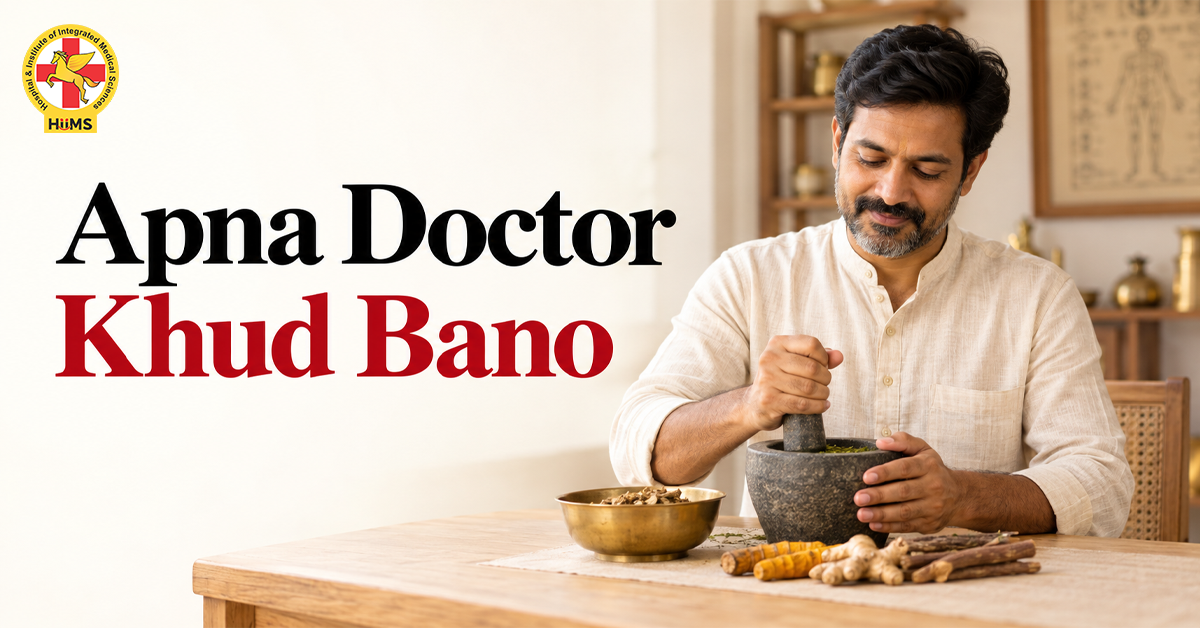
The idea of “Apna Doctor Khud Bano” encourages people to take an informed role in their healthcare.
It does not mean diagnosing an illness or choosing treatments without professional advice. Instead, it means understanding your health better, following the appropriate reasons for a disease and working on the root cause.
This kind of communication can help patients make sense of their care plan and prepare for follow-up visits. It also gives them an opportunity to discuss practical questions about treatment, diet, and lifestyle with their healthcare team.
Hospitals, Clinics, and Daycare: What Is the Difference?
Not every person needs the same type of healthcare facility. Someone looking for an initial consultation may not need hospital admission, while another person may require closer observation or a planned course of treatment. Hospitals, clinics, and daycare centers serve different purposes, so understanding these differences can help you decide where to enquire first.
Ayurveda Hospitals: For More Comprehensive Care
Ayurveda hospitals generally offer a wider range of facilities than smaller clinics. Depending on the hospital, these may include doctor consultations, outpatient services, inpatient admission, Panchakarma and other therapies, dietary guidance, and follow-up care.
Patients who need a longer stay can ask whether the hospital provides inpatient facilities and what arrangements are available during admission. They should also discuss the proposed treatment, monitoring requirements, and expected duration with the treating team.
The exact services differ between hospitals. Contact the location directly to confirm whether it provides the care you need.
Ayurvedic Clinics: Consultation and Ongoing Guidance
An Ayurvedic clinic is generally suitable for people looking for a consultation or guidance about their health concerns. A routine visit may involve discussing symptoms and health history, reviewing current medicines, receiving dietary and lifestyle advice, and planning follow-up appointments.
Clinics also have an in-house pharmacy. A clinic may refer a patient to a hospital if further assessment, specialised facilities or admission becomes necessary.
Ayurveda Daycare Centres: Treatment During the Day
A daycare centre provides selected treatments or therapies during the day without an overnight stay. Depending on the service, a routine visit may include an initial assessment, a planned therapy, and instructions for care after the session.
Not every treatment is appropriate for a short visit. The practitioner must decide whether the facility and planned service are appropriate for the individual. Patients can then return home after the session when the treating team considers it suitable.
The main differences between Ayurveda hospitals, clinics and daycare centres are explained in the table below. It also highlights what you should check before visiting a centre.
| Facility | Main purpose | What to ask before visiting |
| Ayurveda hospital | Consultations and potentially more extensive treatment, including admission | Are inpatient care and the required therapies available? |
| Ayurvedic clinic | Consultation, guidance and follow-up | Is the required practitioner or service available? |
| Ayurveda daycare centre | Selected treatments during the day | Is the planned therapy offered, and how long will the visit take? |
These are general distinctions. The services available at an individual HiiMS location may differ.
Top Ayurveda Hospitals in India: Exploring Jeena Sikho HiiMS Locations
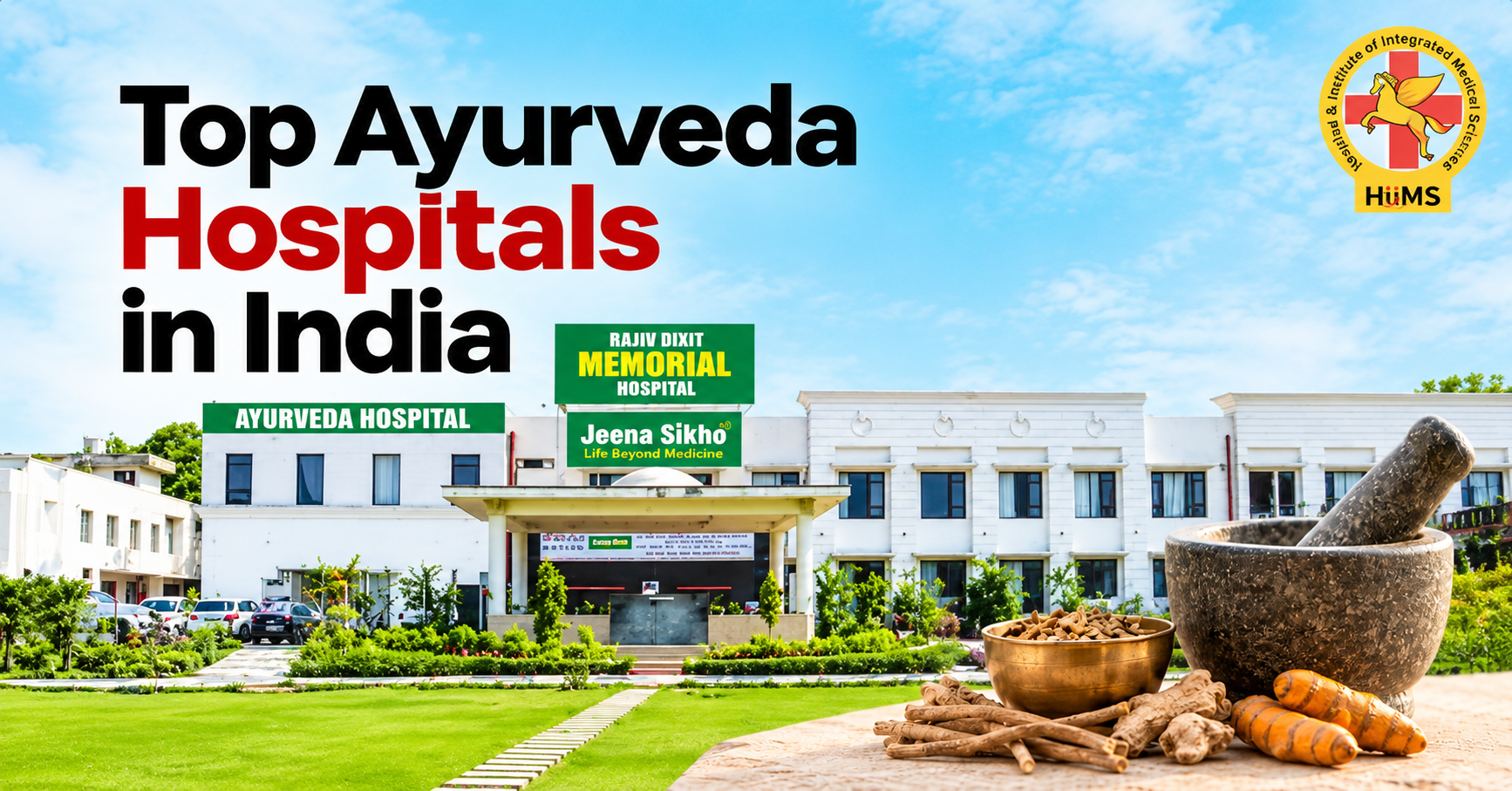
When exploring Ayurveda hospitals in India, there are many hospitals that are part of Jeena Sikho HiiMS. Consider its location, available departments, consultation arrangements, and whether it provides the kind of care your doctor recommends.
1. Jeena Sikho HiiMS Derabassi
Located in Derabassi near Chandigarh, Jeena Sikho HiiMS Derabassi is a 100-bed hospital. The hospital is also popular as a ‘kidney hospital’ among the people. The services include Ayurveda, Panchakarma, naturopathy, outpatient consultations, and inpatient care. Patients can inquire about the facilities available for their specific needs before planning a visit.
For someone considering a hospital stay, it is worth asking about admission arrangements, the proposed care plan, dietary guidance, and the follow-up process. These conversations help patients understand what to expect instead of relying on general descriptions of treatment.
2. Jeena Sikho HiiMS Meerut–Shuddhigram
Jeena Sikho HiiMS Meerut–Shuddhigram is Aisa’s largest 1,000-bedded integrated hospital offering Ayurvedic healthcare and a range of patient care services. The hospital brings together consultations, treatment and guidance to help patients understand their health concerns and explore suitable care options.
Patients can ask questions about the available departments, Ayurvedic therapies, consultation facilities and admission services based on their needs. The care team can also explain the proposed treatment plan, dietary guidance and follow-up arrangements so patients and their families know what to expect during their visit.
The hospital’s integrated approach places importance on individual needs, with care options depending on the patient’s condition and the practitioner’s assessment.
Hospital’s Tour:
3. Jeena Sikho HiiMS Panchkula
Jeena Sikho HiiMS Panchkula offers Ayurvedic healthcare for people looking to understand their health concerns and explore suitable treatment options. The centre follows an integrated approach that considers a person’s health, daily routine, food habits and other factors that may affect their well-being.
Patients can enquire about consultations, available Ayurvedic therapies and dietary guidance according to their individual needs. The practitioner can explain the proposed care plan and discuss the next steps based on the patient’s condition.
For those exploring Ayurveda centres in India, and in the tricity, Panchkula is one of the locations to consider when looking for Ayurvedic consultation and treatment within the Jeena Sikho HiiMS network.
4. Jeena Sikho, HiiMS, Lucknow
Jeena Sikho HiiMS Lucknow offers an integrated approach to healthcare, with a 100-bed integrated hospital and a focus on understanding the patient’s condition and planning care according to individual needs.
People visiting the centre can inquire about the available consultations, diagnostic facilities, Ayurvedic therapies, and other services relevant to their health concerns. The treating practitioner can explain which options may be suitable and whether additional investigations or specialist consultations are needed.
Patients should carry their previous prescriptions, investigation reports and details of any medicines they currently take. This information helps the treating team understand their medical history before discussing the next steps.
5. Jeena Sikho HiiMS Navi Mumbai
Jeena Sikho HiiMS Navi Mumbai provides Ayurvedic healthcare through an integrated approach that considers treatment, daily habits, and patient education. It is a 150-bedded integrated hospital. People can enquire about the services available for their particular health concerns and understand the care options before planning a visit.
Depending on the patient’s needs, the consultation may include a discussion about food habits, daily routine, previous treatment, and current symptoms. The doctor can then explain the available options and recommend the next steps.
For patients searching for Ayurveda centres in India around Mumbai and nearby areas, the Navi Mumbai centre is one location to explore within the HiiMS network as a big hospital.
Before visiting, patients can check appointment availability, the departments they need, and whether their preferred therapy requires a prior consultation.
Hospital’s Tour: HIIMS Navi Mumbai Hospital | Ayurvedic Hospital Tour | Acharya Manish Ji
7. Jeena Sikho HiiMS Manesar-Gurugram
Jeena Sikho HiiMS Manesar is a 100 bedded-hospital you can explore within the Jeena Sikho HiiMS network. People looking for Ayurvedic healthcare can enquire about its current services and consultation options according to their needs.
A consultation may start with a discussion about the patient’s health concerns, previous treatment and daily habits. Based on this information, the practitioner can explain the available options and suggest an appropriate course of care.
Patients planning to visit from nearby areas can check appointment timings and service availability in advance. It is also useful to carry existing medical reports and a list of medicines being taken.
8. Jeena Sikho HiiMS Kurukshetra
Jeena Sikho HiiMS Kurukshetra is a 100-bedded hospital and is part of the wider HiiMS network of healthcare centres. Patients can enquire about the services available at this location and discuss their health concerns with the doctor’s team.
During a consultation, the practitioner may ask about symptoms, food habits, sleep, daily activities and previous treatment. These details help build a clearer picture of the patient’s needs and guide a discussion about suitable care options.
People considering a routine visit should ask about the specific department or therapy they require, along with appointment timings and any preparation needed before the consultation.
Hospital’s Tour: Best Ayurvedic Hospital in India | Holistic Healing & Panchakarma Center | HiiMS Kurukshetra
9. Jeena Sikho HiiMS Bengaluru
Jeena Sikho HiiMS Bengaluru in South India has 28-bedded hospital beds, giving people in and around the city another location to explore for Ayurvedic healthcare. Patients can enquire about the centre’s current services and discuss the care options relevant to their concerns.
Before starting any treatment, it is important to explain existing health conditions, previous procedures, allergies and medicines to the doctor. This helps the treating team consider the patient’s overall situation when discussing the next steps.
For those comparing Ayurveda centres in India, the Bengaluru location may be worth exploring if they are looking for care closer to home. Checking the available services and booking a consultation beforehand can make the visit easier to plan. Other than these big hospitals, Jeena Sikho HiiMS has hospitals in several cities across India. The table below highlights the locations where patients can explore hospital facilities and available healthcare services:
| Region | Cities |
| Uttar Pradesh | Muradnagar (Meerut-Shuddhigram), Lucknow, Noida, Greater Noida, Gorakhpur, Kanpur, Agra, Prayagraj, Meerut (Jagriti-Vihar), Mathura, Varanasi |
| Bihar | Patna, Gaya, Raxaul |
| Punjab | Mohali, Jalandhar, Amritsar |
| Haryana | Derabassi, Panchkula, Manesar, Kurukshetra, Gurugram, Ambala, Sonipat |
| Rajasthan | Jhotwara, Sanganer, Gopalpura Mod, Ajmer, Sikar, Jhunjhunu, Jodhpur, Udaipur, Kota, Bikaner, Alwar |
| Madhya Pradesh | Bhopal, Indore |
| Maharashtra | Navi Mumbai, Panvel, Pune, Mehkar, Andheri, Thane |
| Uttarakhand | Dehradun |
| West Bengal | Kolkata New Town, Siliguri |
| Gujarat | Vadodara, Surat, Ahmedabad |
| Telangana | Hyderabad |
| Karnataka | Bengaluru |
| Tamil Nadu | Chennai |
| Jharkhand | Dhanbad, Ranchi |
| Goa | Goa |
| Assam | Guwahati |
Ayurvedic Clinics in India: Consultation and Follow-Up Care
Not everyone needs to visit a hospital for every health concern. In many cases, people start with a consultation to discuss their symptoms, understand their health, and learn about the care options available to them. Ayurvedic clinics can provide a starting point for this process.
At an Ayurvedic clinic, the visit may include a discussion about food habits, daily routine, sleep, previous treatment, and other details related to the patient’s health. Then the doctor can use this information to explain the available options and suggest whether further assessment or treatment is needed.
Clinics may also provide follow-up consultations, dietary guidance and access to selected services. However, the facilities available differ from one location to another, so patients should inquire about the services offered at their chosen centre.
For people searching for Ayurvedic clinics in India, the most useful approach is to look beyond distance alone. Consider the practitioner’s experience, the nature of the services offered and whether the clinic can address your specific needs.
Jeena Sikho HiiMS’ clinics have a presence across several cities, making it easier for people to explore nearby centres for Ayurvedic consultations. The table below lists the cities by region:
| Region | Cities |
| Uttar Pradesh | Moradabad, Bareilly, Ghazipur, Jhansi, Faizabad, Aligarh |
| Bihar | Sasaram, Muzaffarpur, Hajipur, Gopalganj, Purnia, Begusarai, Bhagalpur |
| Punjab | Hoshiarpur, Gurdaspur |
| Haryana | Rohtak, Panipat, Sirsa, Karnal, Rewari |
| Madhya Pradesh | Gwalior, Jabalpur |
| Maharashtra | Nagpur, Aurangabad, Nashik, Solapur |
| Uttarakhand | Haldwani, Haridwar |
| Odisha | Bhubaneswar, Cuttack, Sambalpur |
| West Bengal | Bhawanipur, Asansol |
| Gujarat | Gandhinagar, Rajkot |
| Himachal Pradesh | Kangra |
| Chhattisgarh | Durg |
| Jharkhand | Bokaro, Jamshedpur, Hazaribagh |
| Tripura | Agartala |
When Should You Consider an Ayurvedic Clinic?
An Ayurvedic clinic may be a suitable place to start when you:
- Want to discuss a health concern with an Ayurvedic practitioner.
- Need guidance on food habits and daily routines.
- Are looking for follow-up consultations.
- Want to understand which Ayurvedic services may be relevant to your needs.
- Need advice on whether a hospital visit or further medical assessment is appropriate.
HiiMS Daycare Centres: Treatment During the Day
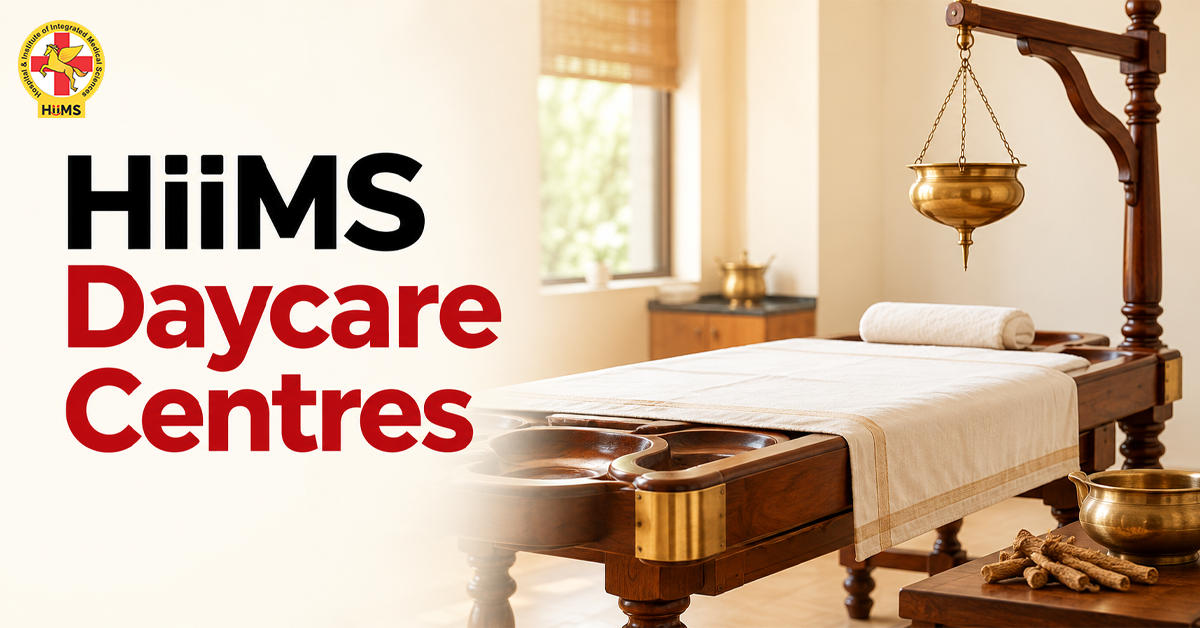
A daycare centre offers a different arrangement than a hospital stay. It is designed for selected consultations or therapies that can take place during the day, allowing patients to return home afterwards rather than stay overnight.
At a HiiMS daycare centre, the visit may include a consultation, discussion about the patient’s health, dietary guidance and therapies available at that location. The exact process depends on the treatment planned and the doctor’s assessment.
Daycare can be useful for people who need a scheduled therapy session but do not require overnight admission. Before making an appointment, patients should ask how long the visit may take, whether they need to prepare in advance and if someone should accompany them.
Jeena Sikho HiiMS also has daycare centres where patients can access selected services during the day without an overnight stay. The table below lists the locations of these centres:
| Region | Cities |
| Uttar Pradesh | Saharanpur, Muzaffarnagar |
| Bihar | Bhagalpur, Vaishali, Rajnagar |
| Punjab | Patiala, Ludhiana, Bathinda, Sangrur |
| Haryana | Faridabad |
| Himachal Pradesh | Bilaspur, Sundernagar |
| Chhattisgarh | Raipur |
| Delhi | Prashant Vihar, Laxmi Nagar (Krishnakunj), Laxmi Nagar (Kundannagar), New Friends Colony, Karol Bagh, Dwarka |
| Jammu region | Jammu |
What to Expect During Your Visit to a HiiMS Daycare Centre
Your visit may involve several steps, depending on the service you have booked.
1. Initial consultation
The practitioner discusses your health concerns, previous treatment and relevant medical history. Share details of any medicines you take and any existing health conditions.
2. Discussion of the care plan
The practitioner explains the available options and whether a particular therapy is suitable for you. You can ask questions about the process, expected duration and any precautions to follow.
3. Therapy or scheduled service
If the practitioner recommends a suitable service and it is available at the centre, the team explains how the session will be carried out.
4. Guidance before returning home
Before you leave, ask about aftercare instructions, food and activity guidance, any symptoms that need attention and the timing of your next visit.
Not every patient will need all these steps, and the process may differ according to the service. Patients should follow the advice given by their treating practitioner.
When is Daycare Suitable?
Daycare may be worth considering when:
- The planned therapy can be completed during the day.
- Overnight admission is not required.
- The practitioner has assessed the patient’s condition and considers the service appropriate.
- The patient can travel to and from the centre safely.
- The service is available at the chosen location.
Daycare is not suitable for every condition or treatment. Some patients may need hospital admission, closer observation or care from another medical specialist. The decision should depend on the patient’s condition rather than convenience alone by the experienced doctor at the centre.
What Ayurvedic Services Can You Explore at Jeena Sikho HiiMS?
The services available at an Ayurveda centre depend on its facilities, the practitioners working there and the patient’s needs. Within the Jeena Sikho wider HiiMS network of 125+ pan-India centres, patients can enquire about different aspects of Ayurvedic healthcare and related services.
1. Ayurvedic Consultation
A consultation allows patients to discuss their health concerns, medical history, food habits and daily routine with a doctor. It is also an opportunity to ask questions and understand the care options available.
2. Panchakarma Therapies
Panchakarma refers to a group of traditional Ayurvedic procedures. These include:
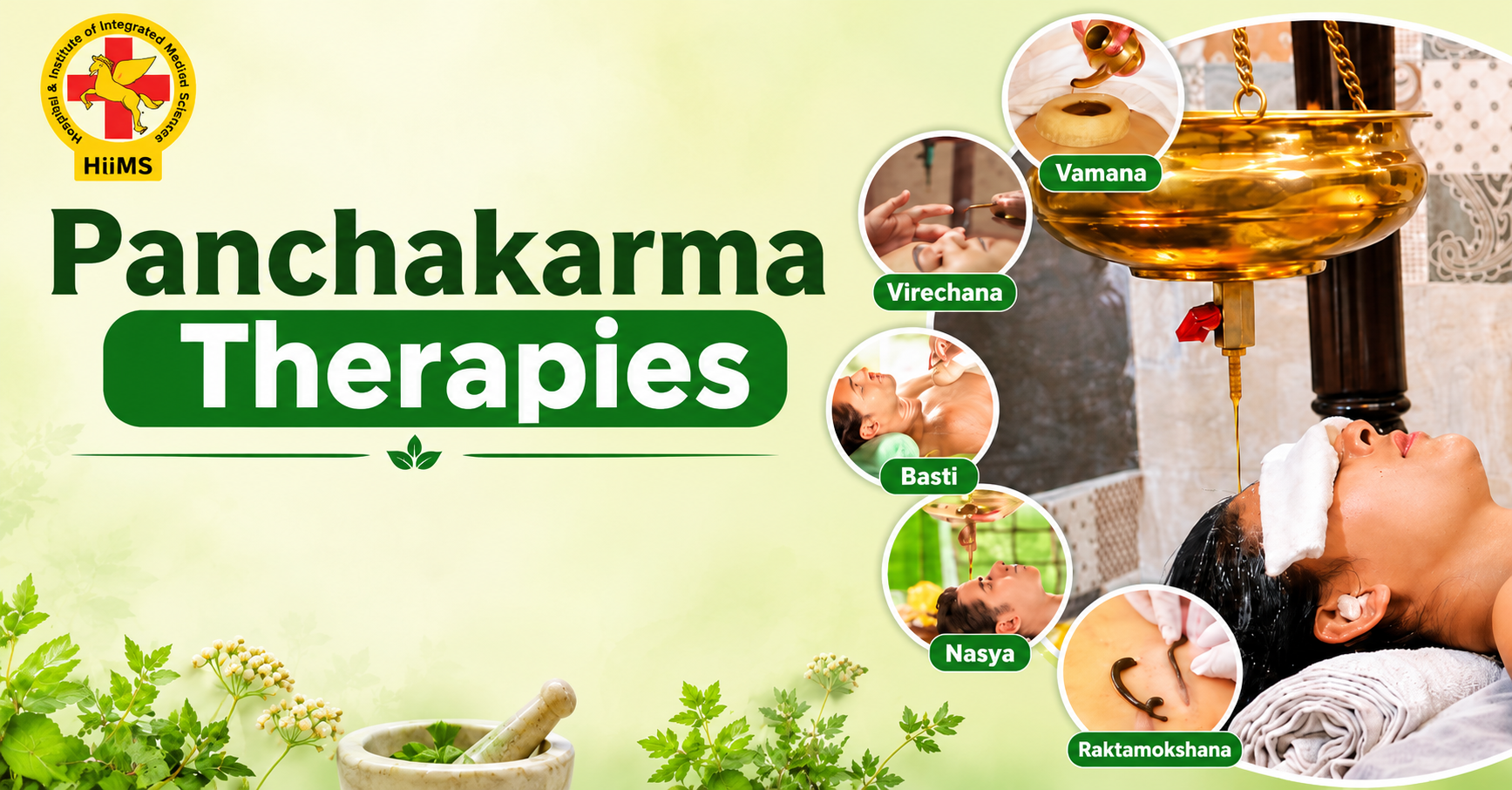
- Vamana: A traditional procedure that uses medically supervised therapeutic vomiting.
- Virechana: A procedure that uses prescribed methods to promote bowel evacuation.
- Basti: An Ayurvedic procedure that involves introducing prescribed herbal preparations through the rectum.
- Nasya: A procedure in which prescribed oils or herbal preparations are administered through the nose.
- Raktamokshana: A traditional procedure involving the removal of a small amount of blood under specific medical supervision.
Not every procedure is appropriate for every person, and availability may differ by centre.
A qualified practitioner should assess the patient’s condition before recommending any Panchakarma procedure. Patients should ask about preparation, the procedure itself, aftercare and possible side effects before deciding to proceed.
3. Dietary and Lifestyle Guidance
Food habits, sleep, physical activity and daily routines are often discussed during Ayurvedic consultations. Patients may receive guidance based on their individual needs, existing health conditions and treatment plan.
Any major dietary changes should be discussed with the healthcare practitioner, particularly if the patient has a long-term health condition or takes prescribed medicines already.
4. Selected Therapies, Naturopathy and Daycare Services
Some HiiMS locations may offer selected therapies and naturopathy that patients can attend without an overnight stay. The services and session timings depend on the centre and the patient’s care plan.
Before booking, ask whether the required therapy is available, how long the session takes and whether you need a consultation first.
5. Diagnostic and Medical Assessment
Depending on the location and the patient’s needs, diagnostic services or further medical assessment may form part of the care process. The practitioner can explain which tests are relevant and whether another specialist should be involved.
How to Choose an Ayurveda Centre in India
Choosing an Ayurveda centre involves more than just searching for the nearest location or selecting a hospital based on its size. The right choice depends on your health needs, the services available and the kind of care you require.
Here are a few practical points to consider before making an appointment.
1. Understand What Kind of Care You Need
Start by considering whether you need an initial consultation, follow-up care, a selected therapy or hospital admission. A clinic may be suitable for consultation, while a hospital may be more appropriate when you need inpatient care or a wider range of facilities.
If you are unsure, start by discussing your concerns with a qualified practitioner.
2. Check the Practitioner’s Qualifications
Ask or search about the practitioner’s qualifications, registration and experience relevant to your concern. You should feel comfortable explaining your symptoms and asking questions about the proposed care plan.
A good consultation should leave you with a clearer understanding of the next steps rather than unanswered questions.
3. Understand the Available Services
Do not assume that every Ayurveda centre offers the same therapies, tests or departments. Check the services at the particular location before travelling.
If you are considering Panchakarma or another procedure, ask whether an assessment is required first and what preparation or follow-up may involve.
4. Ask About the Treatment Plan
Before beginning treatment, understand what the practitioner recommends and why. Ask about the expected duration, the number of visits, possible side effects and any precautions you need to follow.
5. Consider Distance and Follow-Up
The location is important, especially if your care plan involves several visits. Consider travel time, appointment availability and whether follow-up consultations can be arranged conveniently.
For some patients, a nearby clinic may be practical for regular consultations. Others may need a hospital with specific facilities.
6. Check the Facilities You Actually Need
Ask about admission, diagnostic services, emergency arrangements and specialist involvement whenever these are relevant to your care.
7. Review the Costs and Practical Details
Before starting treatment, ask for a clear explanation of consultation fees, therapy charges, tests and other likely expenses. If admission is being considered, ask what the hospital package includes and which costs may be separate.
Having this information beforehand helps you plan your visits and discuss your options with your family.
Ayurveda Centers Near Me: How to Find a HiiMS Location
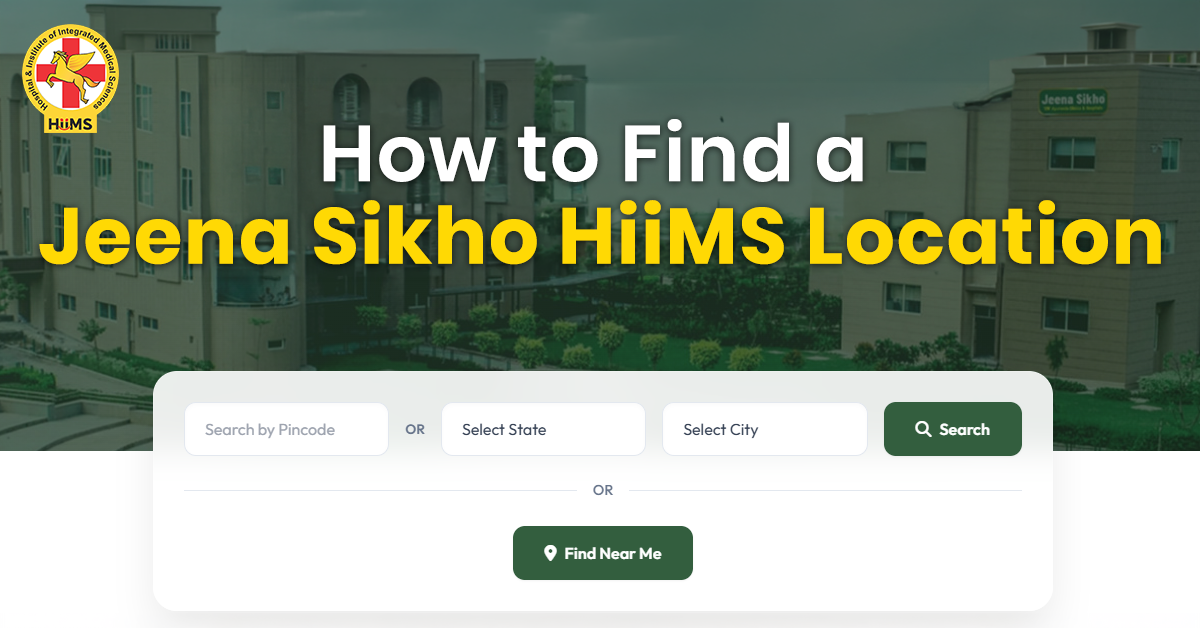
Searching for Ayurveda centers near me can help you find options close to home, but location should not be the only factor in your decision. The services offered and the practitioner’s assessment are equally important.
You can start by exploring the Jeena Sikho HiiMS website and looking for the centre nearest to your city, whether it is a hospital, clinic, or daycare. Check the address, contact details, consultation timings and services available at that location.
Before visiting, take a few minutes to confirm the details that matter to you:
- Location: Check the centre’s address and travel arrangements.
- Appointments: Ask whether you need to book a consultation in advance.
- Services: Confirm that the required department or therapy is available.
- Medical records: Carry previous reports, prescriptions and a list of medicines.
- Visit duration: Ask how much time to allow, particularly for a scheduled therapy.
- Follow-up: Find out how future consultations will be arranged if needed.
If the nearest centre does not provide the service you need, ask whether another HiiMS location offers it. Choosing a centre based on your care requirements can help you plan your visit more effectively.
Why Consider Jeena Sikho HiiMS for Ayurvedic Healthcare?
Jeena Sikho HiiMS brings together different healthcare facilities, including hospitals, clinics and daycare centres. This gives patients an opportunity to choose the type of care that fits their needs and understand which services are available at a particular location.
The organisation follows an integrated approach that places importance on consultation, treatment planning and patient education. Discussions about food habits and daily routines can also form part of care, depending on the patient’s condition and the practitioner’s recommendations.
Another important part of the process is understanding the treatment being considered. Patients should have the opportunity to ask questions, discuss their concerns and learn about the next steps before making decisions about their care.
When exploring a Jeena Sikho HiiMS centre, consider these practical points:
- Different care environments: Explore hospitals, clinics and daycare centres according to your needs.
- Consultation and guidance: Discuss your concerns with a qualified practitioner.
- Individual assessment: Understand how the proposed care plan relates to your condition.
- Treatment information: Ask about the procedure, duration, precautions and follow-up.
- Location options: Explore the available centres to find one that is convenient for your visits.
The most suitable centre is the one that can address your needs with appropriate facilities and qualified care. A consultation can help you understand the options and decide on the next steps with your treating practitioner.
Conclusion
Finding the right Ayurveda centre starts with understanding what kind of care you need. Some people may be looking for a consultation and guidance on daily habits, while others may need selected therapies or facilities available at a hospital.
Jeena Sikho HiiMS has a network of hospitals, clinics and daycare centres that patients can explore according to their location and healthcare needs. Before visiting, check the services available, speak with the centre about appointments and discuss your treatment options with a qualified practitioner.
Take time to ask questions, understand the proposed care plan and keep your existing medical care in view. An informed conversation is a useful first step towards making decisions about your health.
Looking for an Ayurveda centre near you? Explore Jeena Sikho HiiMS locations and enquire about the services available at the centre that suits your needs.
FAQs
1. How do I find suitable Ayurveda centres in India?
Start by identifying the type of care you need, then compare the centre’s services, practitioner qualifications, location and follow-up arrangements before booking a consultation.
2. What is the difference between an Ayurveda hospital, clinic and daycare centre?
An Ayurveda hospital may provide consultations, inpatient admission and a wider range of facilities. A clinic generally focuses on consultations and follow-up, while a daycare centre offers selected services during the day without an overnight stay.
3. What should I check before visiting an Ayurvedic clinic?
Check the practitioner’s qualifications, available services, appointment timings, consultation fees and whether the clinic can address your particular health concern.
4. Are Panchakarma therapies suitable for everyone?
Panchakarma procedures are not suitable for every person or health condition. A qualified Ayurvedic practitioner should assess your health, explain the procedure and discuss relevant precautions before recommending treatment.
5. Can I visit a HiiMS daycare centre without staying overnight?
Daycare services are intended for selected consultations or therapies that can be completed during the day. Whether a particular service is suitable depends on the patient’s condition and the practitioner’s assessment.
6. How can I find a HiiMS centre near me?
Click on this link: https://hiims.in/hospital/all-hospitals to explore its locations, then contact the relevant centre to confirm its address, appointment timings and available services.
Disclaimer: The information provided on this blog is for general educational and informational purposes only. It is not intended to replace professional medical advice, diagnosis, or treatment. Always consult a qualified healthcare professional before making any changes to your diet, lifestyle, or treatment plan. Individual results may vary.