

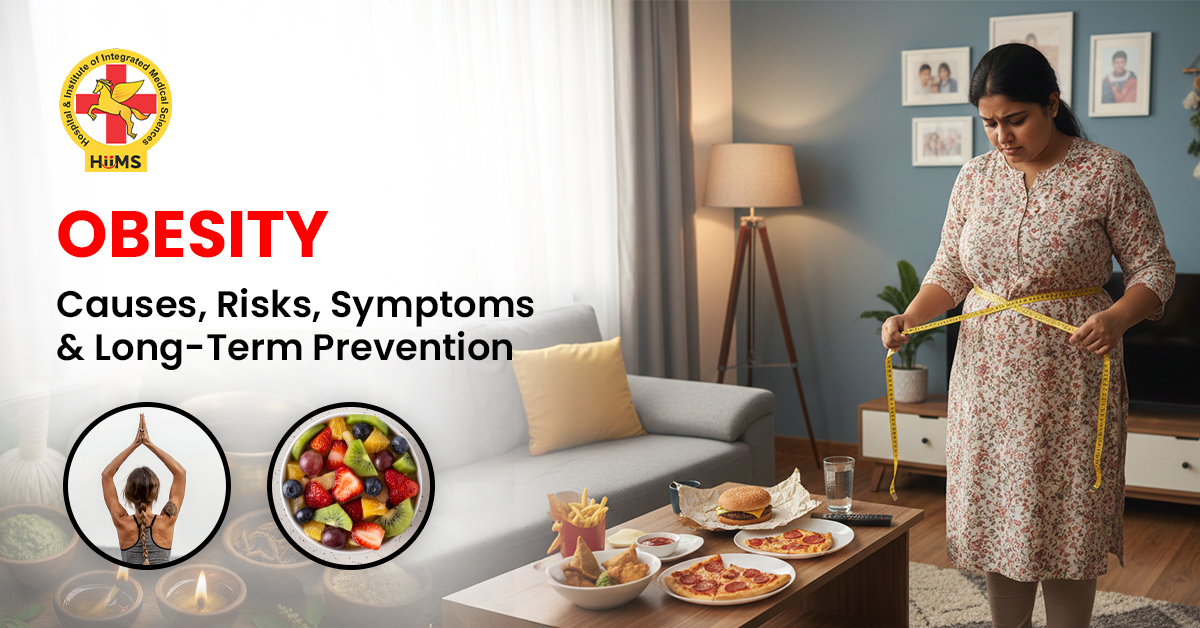
There comes a day when a person looks in the mirror and notices a change that didn’t happen overnight. A shirt that once fit well now feels tight. A short walk takes more effort. Breathing is heavier after basic tasks. It’s easy to brush it off and say it’s just normal weight gain, but a small voice inside says something else is going on.
That moment pushes a person to think about obesity causes and how this condition slowly develops without being noticed in the beginning. Many believe it comes only from too much food, but real life shows a different picture. Long sitting hours, emotional eating, sleep disturbance, stress, and family history can all shape weight patterns.
As the body changes, obesity symptoms begin to appear. As soon as an individual observes these initial indicators, something can be done. Simple everyday routines such as conscious eating, regular exercise and a healthy schedule can begin to influence the life process moving back to normal.
What Are The Obesity Causes?
Obesity may develop when the body stores more calories than it uses. The following are a few of the most typical causes of obesity:
- Lifestyle Factors: Frequent intake of high-calorie food, sugary drinks, and irregular eating patterns.
- Physical Inactivity: Minimal daily movement limits calorie usage.
- Genetics: Some people have genes that make weight gain easier.
- Emotional Eating: Stress, boredom, and sadness can be used to affect food.
- Hormonal Imbalance: The condition of disorders such as hypothyroidism can be a factor in weight gain.
- Sleep Disturbance: Poor sleeping patterns alter appetite signals.
The body responds differently to each factor, and a combination of them leads to obesity rather than one single reason.
Common Obesity Symptoms
Spotting obesity symptoms early helps people take action. Some noticeable signs include:
- Increase in waistline
- Short breath during basic tasks
- Difficulty bending or climbing
- Sweating during light activity
- Joint strain and discomfort
- Irregular digestion
- Constant hunger or frequent cravings
Such symptoms can occur gradually, and not immediately, this is why it is important to be aware.
Early Signs of Obesity
Detecting obesity early prevents long-term challenges. The early signs of obesity may include:
- Gradual increase in clothing size
- Slow movement speed compared to earlier
- Visible change in face, arms, and abdomen
- Difficulty performing activities that were easy before
- Feeling breathless after routine steps
Taking these signals seriously builds a foundation for healthy decisions.
Health Risks Linked with Obesity
Obesity is a risk factor in the development of a number of diseases since excess fat imposes stress on organs, joints, and metabolism. Most frequently, the following risks are involved:
- High blood pressure
- Type 2 diabetes
- Heart disease
- Stroke
- Joint problems like osteoarthritis
- Liver-related complications
- Sleep apnea
- Mental and emotional stress
Being aware of these risks encourages steady lifestyle adjustments.
Daily Habit Checklist
Habits are powerful elements of weight and health, used on a daily basis. These habits repeat over time making the body either towards a particular direction or the other. Many obesity causes are linked to everyday choices, so changing those choices can support better balance.
- Start by eating slowly and mindfully instead of rushing through meals. This helps the body notice real hunger and fullness.
- Drink enough water during the day. Hydration supports steadier appetite patterns.
- Move the body for 20-30 minutes through walking, stretching, or gentle activity. Movement keeps the body active.
- Keep a fixed sleep schedule because irregular sleep can influence hunger signals and food cravings.
- Avoid emotional snacking during stress or boredom. Learning the difference between emotional hunger and real hunger makes a big difference.
Such little actions can seem rudimentary, yet doing them daily will form a long-term trend that facilitates a healthier orientation.
Obesity Prevention – Long-Term Approach
Obesity takes time to develop and, therefore, obesity prevention requires a consistent behavior rather than a hasty solution. It is better to use a slow and steady method and the body adapts naturally.
- Start with balanced eating. Fresh vegetables, fruits, whole grains, healthy fats, and enough water help the body work better.
- Practice mindful servings. Eating with awareness helps avoid overeating and supports better control.
- Add physical activity such as walking, stretching or yoga to 20-30 minutes daily. Eating mindfully promotes better control and prevents overeating.
- Have a sleep schedule, in which you get into bed and wake up at the same time every day.
- Learn simple stress management methods like slow breathing or meditation. This helps avoid emotional eating patterns.
- Avoid constant snacking and plan meals so appetite patterns stay steady.
These steps may look small, but repeating them creates a lifestyle that supports balance without pressure.
Conclusion
Obesity grows slowly, and learning what causes obesity helps a person make better choices early. When someone notices obesity symptoms and early hints, change becomes easier. Diet, daily routine, sleep, and emotional stability have a significant role to play in long-term welfare. The advancement need not be hurried. It grows through steady action and regular effort. With awareness and consistency, stability becomes possible, and the body begins moving toward a healthier direction.
For anyone who prefers guidance instead of navigating the process alone, consultation options are available. Call for booking or inquiries: +91-87920-87920, Email: care@jeenasikho.com

FAQs
1. How is obesity measured?
Obesity is usually measured with BMI, waist circumference, and body fat percentage.
2. Do genetics contribute to obesity?
Genetics can influence how the body stores fat and handles appetite signals, making weight gain easier for some.
3. Can children face obesity?
Children can also experience obesity when movement is low, and food patterns are not balanced.
4. Is obesity lifelong?
Obesity can be managed with steady habits, mindful food choices, and consistent routines.
5. Are emotional patterns linked with obesity?
Emotional eating can affect hunger signals and cravings, which may lead to further weight gain.