

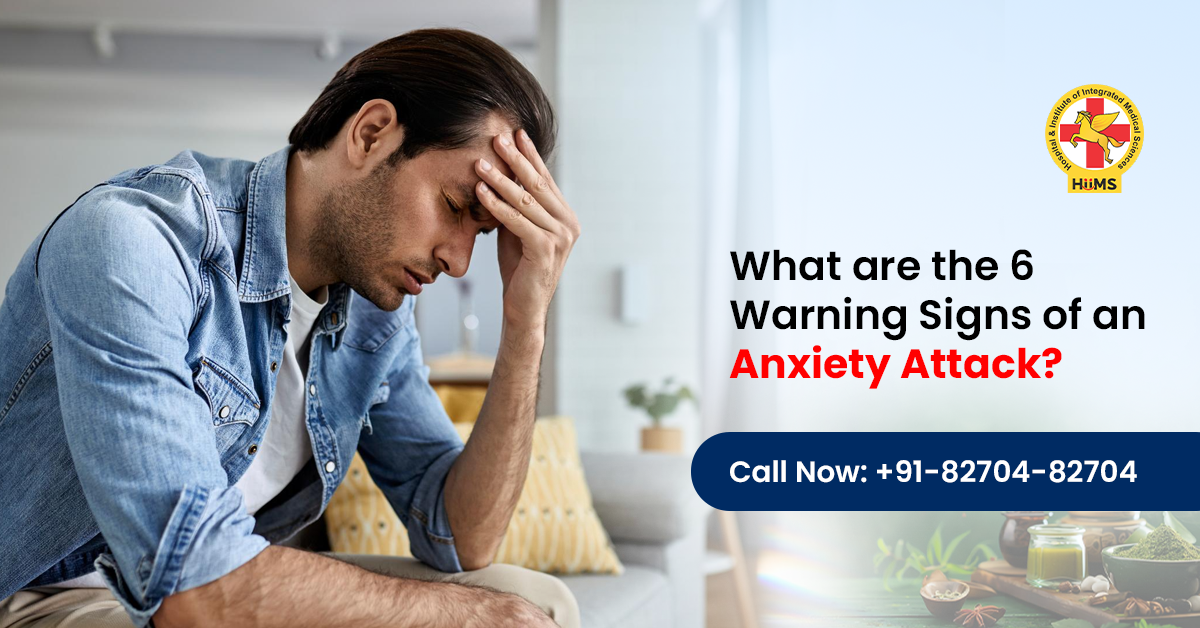
Anxiety is common in life. Everyone feels nervous sometimes, like before exams, because of money or family problems. This is normal. But when fear becomes very strong and sudden, it turns into an anxiety attack. At that time, the body feels scared even when there is no real danger.
Many people feel confused during their first anxiety attack. They think it is a heart problem or serious illness. Some even feel they may die. These feelings are very scary, but anxiety attacks are not dangerous. Still, they should not be ignored.
Understanding the early warning signs can help you manage anxiety better. When you know what is happening in your body, you feel less afraid. You also learn how to calm yourself and take proper care in time.
In this blog, we will explain the 6 warning signs of an anxiety attack, anxiety causes, common anxiety attack symptoms, and simple treatment options. Everything is written in easy and simple English so anyone can understand.
What Is an Anxiety Attack?
An anxiety attack is a sudden feeling of extreme fear, stress, or nervousness. It may come without warning. Your heart may beat fast, breathing becomes difficult, and your mind starts racing with negative thoughts.
It usually happens when your brain thinks there is danger, even if there is none. This activates the fight or flight response in your body. Anxiety attacks can last from a few minutes to an hour. Some people get them rarely, while others experience them often.
6 Warning Signs of an Anxiety Attack
1. Fast Heartbeat and Chest Discomfort
One of the most common signs is a racing heart. You may feel:
- Your heart is beating very fast.
- Pressure or tightness in the chest.
- Feeling like something is wrong with your heart.
This often makes people panic more. But in most cases, it is caused by anxiety, not heart disease.
2. Shortness of Breath or Suffocation Feeling
During an anxiety attack, breathing becomes shallow and fast. You may feel:
- Unable to take a deep breath.
- Suffocating feeling.
- Tight throat.
- Need to breathe again and again.
This happens because your body is preparing to run from danger, even when there is none.
3. Dizziness, Weakness, or Lightheaded Feeling
Many people feel dizzy during anxiety attacks. Some feel like they may faint.
You may experience:
- Head spinning.
- Weak legs.
- Feeling unsteady.
- Blurry vision.
This happens due to fast breathing and changes in blood flow.
4. Excessive Sweating and Shaking
Anxiety attacks often cause physical shaking.
Common signs include:
- Cold sweats.
- Wet palms.
- Shivering.
- Trembling hands or legs.
This is again linked to the body’s stress response.
5. Fear of Losing Control or Dying
This is one of the most disturbing anxiety attack symptoms.
- Feels extreme fear and panic.
- Negative thoughts start coming.
- It feels like loss of control.
- Fear of fainting or dying.
- My mind feels confused.
- Thoughts feel real at that time.
- Caused by anxiety, not real danger.
- It goes away when anxiety reduces.
These thoughts feel real at that moment, but they are caused by anxiety, not reality.
6. Nausea, Stomach Pain, or Digestive Issues
Anxiety also affects digestion.
You may feel:
- Nausea.
- Stomach pain.
- Vomiting feeling.
- Loose motion.
- Loss of appetite.
Stress directly impacts the gut, which is why stomach problems are common during anxiety.
Causes of Anxiety Attacks
Anxiety attacks do not happen without reason.
- Mental stress is one of the main anxiety causes. Work pressure, family problems, exams, money worries, and relationship issues can increase anxiety.
- Overthinking
Constant negative thinking makes the mind tired and anxious. - Lack of Sleep
Lack of sleep also increases anxiety. Poor sleep raises stress levels in the body and makes the mind weak. - Caffeine and Alcohol
Too much tea, coffee, energy drinks, or alcohol can further worsen anxiety. - Past Trauma
Bad experiences, accidents, or deep emotional pain can affect mental health and increase fear. - Health Problems
Thyroid issues, hormonal imbalance, or chronic illness may also increase anxiety.
Simple Treatment for Anxiety Attacks
Simple daily routines can help control anxiety. Breathing exercises, regular walking, light workouts, and yoga keep the mind calm. Eating fresh food, drinking enough water, and sleeping well help control stress. Try to avoid junk food, caffeine, and late-night mobile use.
With proper Ayurvedic anxiety treatment at Jeena Sikho HiiMS, mental balance can improve naturally. Spending 15–20 minutes walking in natural areas helps remove negative thoughts and bring mental peace. Acupressure with Om chanting and therapies like Shirodhara, Abhyanga, Pranayama, and meditation at Jeena Sikho HiiMS help reduce deep mental stress under expert guidance.
Some Ayurvedic herbs like ashwagandha, brahmi, Jatamansi, Tulsi, and Shankhpushpi help calm the mind and improve focus. If anxiety attacks happen often or disturb daily life, it is important to seek professional help. By following good routines and taking proper guidance, anxiety can be managed and the mind can stay peaceful.
When Should You See a Doctor?
You should take medical help if:
- Anxiety attacks happen often.
- They affect your daily life.
- You avoid social situations.
- You feel depressed.
- You cannot sleep properly.
- You feel hopeless.
Getting help is a sign of strength, not weakness.
Conclusion
Anxiety attacks may feel very scary, but they can be controlled. When you know the warning signs, it becomes easier to stay calm. Fast heartbeat, breathing trouble, dizziness, sweating, fear, and stomach problems are common. These happen because the body reacts to stress.
With good habits, mental care, and proper guidance, anxiety can be reduced. Do not ignore your mental health. The mind also needs care, just like the body.
If you or someone close to you is facing anxiety, seek expert help. Call +91 82704 82704 or email care@jeenasikho.com. Your mental peace is important.

FAQs
- Are anxiety attacks dangerous?
Anxiety attacks are not life-threatening, but they can feel very uncomfortable and scary. - Can anxiety attacks happen daily?
In severe cases, some people may experience them daily. Treatment is important, then. - Is anxiety common in women?
Women are more likely to experience anxiety due to hormonal and emotional factors. - Can diet affect anxiety?
Excess caffeine, sugar, and junk food can increase anxiety. - Can yoga help with anxiety?
Yoga and breathing exercises are very helpful for calming the mind.
