
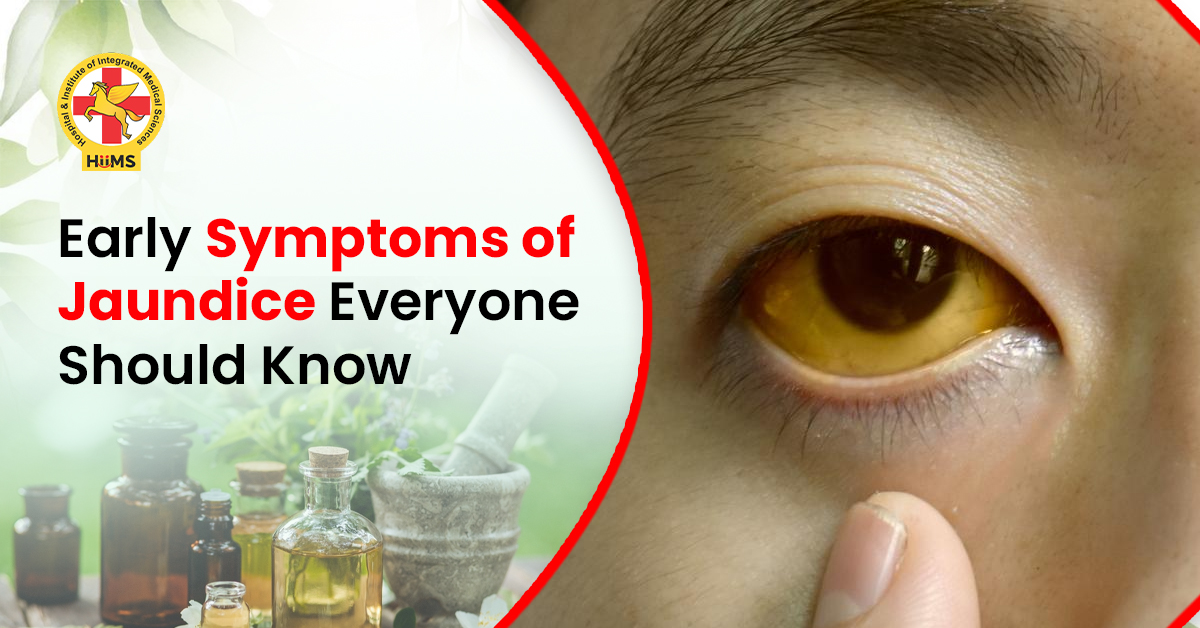
Most of us ignore small changes in our body. Slight weakness, or that one moment in front of the mirror when something feels off every tiny clue. But sometimes these soft signals are actually loud warnings in disguise. Jaundice is one of them. It doesn’t burst into your life. The starting symptoms of jaundice slip in quietly, almost politely letting you know your liver is tired, a bit heavy, or a bit slow. Maybe your eyes look a shade different. Maybe your urine turns a little darker. You think it’s dehydration or stress or just a bad day, but the body rarely lies. Jaundice isn’t a disease. It’s a message. A gentle tap on the shoulder, a signal that something deeper inside the liver, bile ducts, or even your blood needs care. Sometimes it’s a minor imbalance. Other times, it’s the beginning of something your body wants you to notice early.
This blog simply helps you understand those quiet hints, the first jaundice symptoms your body gives you before they grow louder, so you can listen, respond, and heal in time.
What Exactly Is Jaundice?
Every day, old red blood cells die and produce bilirubin. This yellow pigment usually takes a smooth journey through the liver. But then something interrupts. Maybe the liver gets inflamed. Maybe a bile duct narrows. Maybe red blood cells break down too fast. And suddenly, bilirubin begins to collect. The skin turns yellow, the eyes change, and your whole body starts telling a little story you shouldn’t ignore. Naturopathy calls it Kamala, a Pitta imbalance. When Pitta heats up stress, spicy food, alcohol, long work hours it clogs things inside. Digestion becomes slow, toxins linger, and bilirubin stays stuck.
Early Jaundice Symptoms: Clues You Must Not Miss
Yellow skin and eyes come later. The early signs are much quieter.
You may feel:
- Mild yellowing of the eyes: often the very first sign.
- Slight yellow tint on the skin: subtle, easy to miss in the beginning.
- Dark, tea-colored urine: one of the most noticeable early changes.
- Pale or clay-colored stools: stools lose their normal brown shade.
- Unusual tiredness or weakness: fatigue that stays all day.
- Reduced appetite: no desire to eat, even favourite foods.
- Itchy skin: caused by rising bile salts in the body.
- Heaviness or discomfort on the right side of the abdomen, where the liver is located.
- Nausea or vomiting, especially after meals.
- Unexplained weight loss: appearing gradually.
Alone, each symptom seems small and easy to ignore. But when they show up together, they reveal the truth: the early signs of jaundice. And those signs deserve your attention.
Major Medical Causes Behind Jaundice
- Hepatitis
- Alcoholic liver disease
- Gallstones
- Hemolytic anemia
- Cirrhosis
- Pancreatic tumors
- Genetic disorders like Gilbert’s syndrome
Each cause affects bilirubin in a different way, how it rises, how fast it builds up, and how the body struggles to clear it.
Risk Factors & Complications If Ignored
If jaundice stays untreated, it may lead to:
- Chronic liver disease
- Gallstones
- Acute liver failure
- Bleeding disorders
- Higher infection risk
- Brain damage in new-borns
Jaundice isn’t something to wait and watch. It should be treated immediately.
When to Seek Immediate Medical Help
You should go and get help urgently if you notice:
- Intense yellowing of eyes or skin.
- Sudden high fever.
- Any bleeding.
- Confusion or excessive sleepiness.
- Swelling in legs or abdomen.
- Very dark (almost black) urine.
- White or chalky stools.
These signs mean that the condition is no longer mild.
Treatment: Modern And Natural Healing Support
Jaundice treatment is based on the root cause.
- Pre-hepatic: Control the rapid red cell breakdown.
- Hepatic: Reduce the inflammation, repair liver cells, and treat infection.
- Post-hepatic: Remove the blockages.
At healing-focused centers like Jeena Sikho HiiMS hospital Meerut, care goes deeper.
Patients receive:
- Gentle Ayurvedic detox therapies (Panchkarma, where suitable)
- Personalized liver-friendly diet plans
- Naturopathic support
- Yoga, breathwork, slow movements
- Routines that cool Pitta and calm the system
Ayurvedic Lifestyle Support
To cool Pitta and ease liver work:
- Sleep 7–8 hours to help the body repair.
- Sit in morning sunlight for 10 minutes.
- Include coconut water or lemon water.
- Keep sugar intake low to reduce liver load.
- Take short breaks instead of working long hours nonstop.
- Keep stress low; music, journaling, or quiet sitting helps.
When paired with the right jaundice treatment, the liver gets exactly the support it needs to heal faster and more gently.
Jaundice Relief: Simple Habits That Help Recovery
Jaundice relief isn’t about rushing the body. It’s about giving the liver a little space, a little kindness, so it can recover at its own pace. When bilirubin rises, the system feels overheated, tired, and a bit clogged. Relief comes from cooling things down, resting digestion, and avoiding anything that pushes the liver harder. Small steps, but they work.
Key Ways That Support the Jaundice Relief
- Hydrate deeply: warm water, coconut water, or mild herbal infusions help in flushing toxins and cooling Pitta.
- Eat light & easy-to-digest food: light food like khichdi, moong dal, and cooked vegetables keeps meals simple so the liver can rest.
- Avoid fried, oily, spicy, and heavy foods: as these heavy foods strain digestion and heat the liver.
- Include natural liver-supporting foods: sugarcane juice, beetroot, papaya, and leafy greens.
- Give the body rest: sleep a bit more, reduce screen time, and let the body heal without rushing.
- Gentle movement: slow walking and light stretching to improve circulation without exhausting yourself.
- Stay away from alcohol completely: even tiny amounts increase liver load and delay recovery.
- Use Ayurveda’s cooling support: warm water sipping, Guduchi, Amla, or doctor-guided herbal support (never self-medicate).
- Reduce mental stress: deep breathing, soft music, or quiet moments; stress heats Pitta and tightens digestion.
Jaundice relief is not a quick fix. But when you slow down, eat light, hydrate, and follow these simple habits, the liver responds beautifully. It settles, cools, and slowly gets back to doing its quiet, important work.
Other Diseases Treated at Jeena Sikho HiiMS
Jeena Sikho HiiMS also supports patients for diabetes, hypertension, liver and kidney disorders, asthma, arthritis, hormonal imbalances, infertility, skin diseases, obesity, digestive problems, and neurological conditions.
Conclusion
Early jaundice symptoms look unnoticeable and almost harmless. But they matter more than most people realize. They’re the body’s quiet whisper asking you to pause to check to care. And honestly, catching these early clues can change everything. It can turn a risky condition into something manageable and treatable. If you notice yellowing of the eyes or skin, dark urine, mild fever, persistent fatigue, tummy discomfort, or just feel “not quite yourself,” don’t wait. Call Jeena Sikho HiiMS at 77839-77839 or write to care@jeenasikho.com.

FAQs
Q1. What are the earliest starting symptoms of jaundice?
Mild eye-yellowing, dark urine, pale stools, and stubborn tiredness.
Q2. Do all types of jaundice show the same early signs?
Pre-hepatic causes more fatigue, hepatic brings nausea, and obstructive leads to itching and pale stools.
Q3. When should I see a doctor?
As soon as you notice yellow eyes or unexplained weakness.
Q4. Is jaundice always serious?
Not always, but it can indicate liver disease or blockages.
Q5. Can lifestyle changes prevent jaundice?
Light eating, no alcohol, hydration, stress control, and good hygiene definitely help.
Disclaimer: The information provided on this blog is for general educational and informational purposes only. It is not intended to replace professional medical advice, diagnosis, or treatment. Always consult a qualified healthcare professional before making any changes to your diet, lifestyle, or treatment plan. Individual results may vary.