

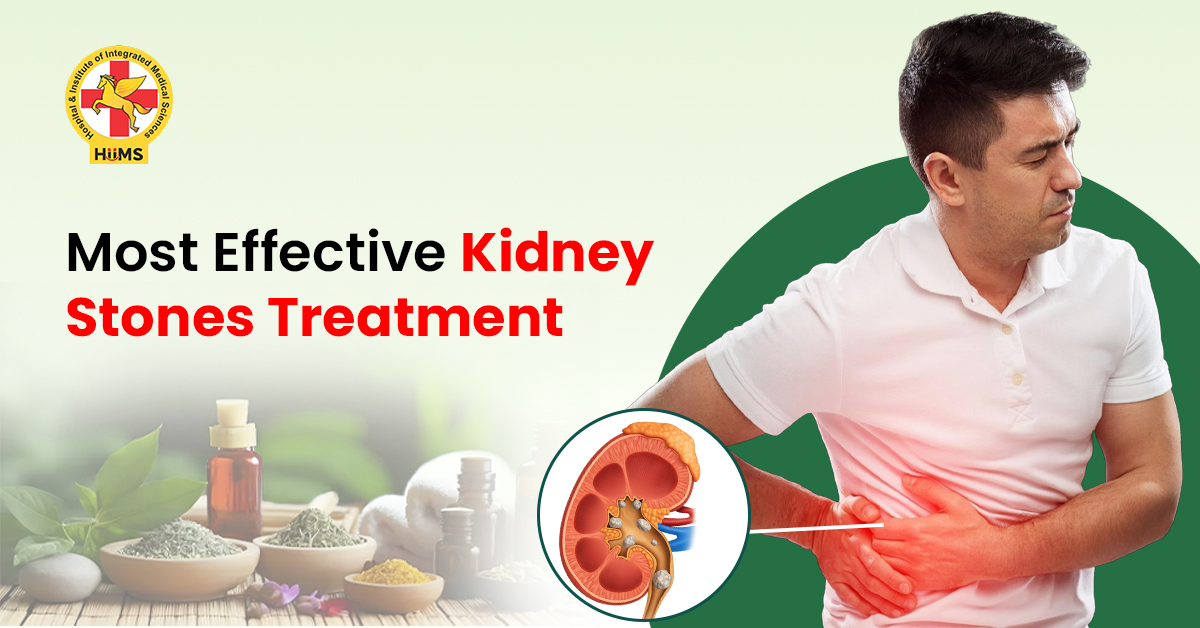
Kidney stones are considerably more common than most people realise. Many come to know about them only after a diagnostic test, a sudden pain, or a routine health checkup. Until then, the body will continue making adjustments. Some days feel normal, and other days bring discomfort that feels difficult to explain. At this point, most people start looking for clear information on kidney stones treatment. There are many opinions around kidney stones. Some focus only on procedures. Some talk about home remedies without a proper structure. This usually leaves people confused about what actually works and what does not. The reality is simple and that is the treatment depends on stone size, body condition, daily habits, and proper guidance.
This blog explains kidney stones in a practical and easy way. It covers how stones form, signs to notice, treatment options, and natural support methods so readers understand the condition clearly and make informed decisions without panic or confusion.
Understanding Kidney Stones in Simple Terms
A kidney stone is a hard build-up made from minerals and salts that collect inside the kidneys. These minerals normally leave the body through urine. But when they stay back, they slowly join together and form a stone-like structure.
How Kidney Stones Slowly Develop Inside the Body
Actually, this process takes time. When urine becomes too concentrated, small crystals begin to stick together. Low water intake plays a big role here. In the early stage, stones may remain less active or silent. Many people do not feel anything until the stone starts moving, and that movement brings uncomfortable sensations.
Common Signs That Should Not Be Ignored
Some early signals feel harmless. Like:
- A mild ache.
- A change in urine colour.
- Slight irritation while urinating.
These signs often get ignored because daily life still feels manageable.
Clear Kidney Stone Symptoms
As the stone moves or expands, the body reacts with different signs, which are:
- Pain may appear in the lower back or side.
- Burning during urination increases.
- Blood may show in urine.
- The urge to urinate becomes frequent.
These signs indicate that attention for this is needed.
Why Kidney Stones Form in the First Place
Daily choices quietly influence kidney health. Drinking very little water, eating salty or packaged food often, and keeping long gaps between meals increase internal stress. Over time, these habits support stone formation.
Other Contributing Factors
Some people carry a genetic tendency. Others take supplements without guidance. An irregular routine, poor sleep, and constant dehydration add pressure to the kidneys and allow stones to grow.
Exploring Kidney Stones Treatment Options
Every stone behaves differently. Like its size, type, and the body’s condition matter. A small stone may move naturally, while a larger one needs close monitoring. That is why kidney stones treatment should never follow speculations.
Importance of Proper Evaluation Before Treatment
Tests and scans help identify the stone clearly. A trained kidney doctor studies reports before suggesting the next step. This avoids unnecessary stress and unsafe quick fixes.
Natural and Gentle Approach to Kidney Stones Treatment
Many individuals now prefer natural care because it supports the body instead of forcing quick results that may appear later on, because the root cause is still there. Natural & Ayurvedic methods focus on easing urine flow and helping the stone move naturally, reducing fear around harsh procedures.
Role of Diet in Kidney Stone Management
- How Food Choices Affect Kidney Health: Heavy food creates pressure, and light meals give support to digestion and overall health. The kidneys respond well when digestion feels easy.
- DIP Diet Eating Pattern: This eating method follows a simple structure. Also called Plate 1 and Plate 2 diet according to body weight. So in this Raw things like seasonal fruits and vegetables come first. Then you may have to eat millet-based or lightly cooked meals. This structure supports internal balance and reduces strain, allowing the body to work smoothly during kidney stones treatment.
Herbal Support Used During Kidney Stones Treatment
Herbal support focuses on comfort. It helps maintain urine flow and reduces irritation while the stone moves.
Commonly Used Herbal Preparations:
- Corn silk water has an ancient use in urinary support. It soothes the tract and eases urination.
- Herbal kadha, prepared with carefully selected herbs, supports internal balance.
These remedies work best under the guidance of an expert and as part of a planned routine.
When Medical Guidance Becomes Necessary
Large stones, blocked urine flow, or continuous severe pain require professional care. Ignoring such signs can lead to complications.
Role of a Kidney Specialist and Kidney Hospital
A trained kidney specialist works with tests, observation, and monitoring. A reliable kidney hospital provides structured care instead of rushed decisions. Centres like Jeena Sikho HiiMS follow planned assessment and supportive guidance, helping patients understand each step clearly.
Choosing the Right Place for Kidney Stones Treatment
The right place focuses on diagnosis first. It offers natural support with monitoring, diet guidance, lifestyle advice, and regular follow-ups. Such care builds confidence and reduces fear during recovery.
Conclusion
Kidney stones may feel overwhelming at first, but they are manageable with patience and understanding. When a person listens to the body instead of reacting in panic, recovery feels steadier. Natural methods, proper evaluation, and supportive habits bring balance over time. Every journey differs, and that is normal. With the right kidney stones treatment, guidance, and care, the body gradually returns to comfort and rhythm. For personalised support, connect with Jeena Sikho HiiMS by calling +91 77839-77839 or emailing care@jeenasikho.com to take the next clear step.

FAQs
Q1: How does a kidney stone usually start forming?
Mineral build-up due to low hydration and concentrated urine supports kidney stone formation over time.
Q2: When should a kidney doctor be consulted?
Persistent pain, burning urination, or blood in urine signals the need for a kidney doctor’s guidance.
Q3: Can diet really support kidney stones treatment?
Balanced food and proper hydration reduce kidney pressure and support natural stone movement.
Q4: Do all kidney stones need hospital care?
Small stones may pass naturally, while larger stones benefit from monitoring at a kidney hospital.
Q5: Why is evaluation important before treatment?
Tests help a kidney specialist choose the safest and most suitable treatment approach.