
Low blood pressure, also called hypotension, is often ignored. Many people feel it is harmless, so there is nothing to worry about. But in real life, that is not always true. Low BP can quietly affect daily life and, if left unnoticed, may lead to serious health concerns. When blood pressure drops too much, the body does not get enough blood flow. Slowly, problems start showing up. You may feel tired for no clear reason. Sometimes weak. These are not things to ignore. Low BP symptoms can be confusing because they do not come all at once. One day you feel fine. Another day, you feel uneasy while standing or walking. Many people adjust to this feeling and move on. That delay is what causes trouble later. Knowing the signs early helps you take care before the condition affects daily life.
Common Symptoms That Indicate Low Blood Pressure
Low BP affects people differently. Some feel it strongly. Others feel mild discomfort but very often. You may notice small changes in routine activities.
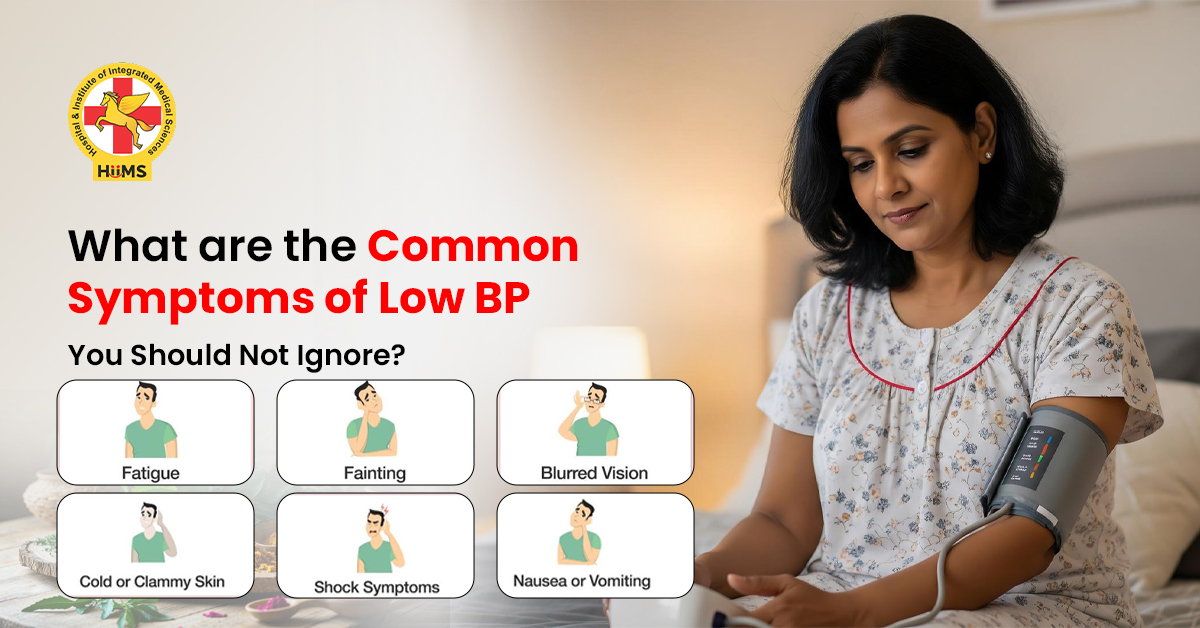
Common low BP symptoms include:
- Dizziness when standing up suddenly
- Feeling weak or tired even after rest
- Blurred vision at times
- Cold hands and feet
- Nausea or discomfort
- Fainting in severe cases
These signs of low blood pressure may come after skipping meals, during hot weather, or after long working hours. Sometimes symptoms increase in the morning. If these signs repeat, it is better to take them seriously rather than adjusting to them.
Why Does Low Blood Pressure Happen?
Low BP does not come without reason. In most cases, daily habits and health conditions are responsible. People often overlook these causes.
Main causes include:
- Drinking less water
- Skipping meals or eating very little
- Weak digestion or poor nutrition
- Long illness or fever
- Heart-related conditions
- Excess stress or anxiety
Certain medicines can also lower BP. Standing suddenly after sitting or lying down for long hours can trigger symptoms. Once the cause is understood, it becomes easier to decide how to control BP in a steady and safe way.
Ayurvedic Low BP Treatment Approach
Ayurveda does not treat low BP as a single problem. It looks at the body as a whole. Weak circulation, stress, digestion, and lifestyle are all considered together. One useful therapy is Hot Water Immersion (HWI). The patient sits in warm water, usually around 42 degrees, for 45 to 60 minutes. It helps the body feel relaxed and improves blood flow naturally.
Another method is Lower Leg Contrast Water Immersion (LWCWI). The lower legs are dipped in cold water for four minutes, then hot water for four minutes. This cycle continues for up to an hour. These methods support natural blood flow and help balance BP slowly.
Herbs That Support Blood Pressure Balance
Herbs are chosen after carefully understanding the person’s body type and current health condition. They are given as juices, decoctions, or capsules.
Commonly used herbs include:
- Arjuna – supports heart function and circulation
- Ashwagandha – reduces stress and supports energy
- Brahmi – helps calm the mind
- Amla – improves strength and immunity
- Sarpagandha – used carefully in BP regulation
Many people ask what raises blood pressure naturally. Along with herbs, regular meals, hydration, and stress control play an important role. Herbal care works best when combined with daily routine changes.
Simple Daily Tips to Prevent Low BP
Low BP management does not require complicated steps. Small habits, followed daily, help a lot.
Helpful tips include:
- Drink water regularly through the day
- Do not skip meals
- Eat at fixed timings
- Avoid standing up suddenly
- Walk lightly every day
- Practice simple breathing exercises
A simple breathing method helps balance low BP. Close the left nostril and breathe through the right nostril. It improves alertness and supports energy levels. These steps help people understand how to control BP naturally.
Care That Goes Beyond Blood Pressure
Health issues rarely come alone. Many patients with BP problems also face other medical concerns. At Jeena Sikho HiiMS, doctors focus on overall health, not just one condition. Along with BP management, the medical team also treats serious diseases such as cancer, liver disorders, heart conditions, infertility, jaundice, and more. This wider approach helps patients receive balanced care without ignoring other health needs.
Conclusion
Low blood pressure should not be ignored just because it feels mild. Low BP symptoms may appear small at first, but over time they affect energy, safety, and quality of life. Feeling dizzy, weak, or uneasy repeatedly is the body’s way of asking for care. Ayurvedic methods focus on balance, routine, and gradual improvement. With the right guidance, therapies, and lifestyle changes, low BP can be managed safely. At Jeena Sikho HiiMS, patients receive thoughtful care that looks at the root cause, not just BP numbers. If you are experiencing ongoing symptoms of low BP, consult our experts today and take the right step toward better health.

FAQs
1. What are common low BP symptoms?
Dizziness, weakness, fatigue, blurred vision, and fainting.
2. Are signs of low blood pressure serious?
Yes, if they occur frequently or affect daily life.
3. What raises blood pressure naturally?
Proper hydration, regular meals, stress control, and herbal support.
4. Is low BP treatment possible without heavy medicines?
Yes, Ayurveda focuses on natural therapies and routine correction.
5. How to control BP daily?
Follow regular meals, drink enough water, and manage stress.