

High blood pressure has slowly become part of daily conversations, not because people talk about it openly, but because many households now have at least one person dealing with rising BP levels. Because of long working hours, irregular meals, constant screen time, and mental pressure, it slowly changes how the body functions over time.
When routine habit weakens, the internal balance also starts slipping, and blood pressure often reflects this change. Many people first notice this problem normally during a routine checkup or while visiting a doctor for an unrelated concern. What makes this condition more concerning is that daily life continues normally even when BP levels begin to rise. There is no sudden disruption like no clear warning, and that is why timely understanding becomes important. With the right information and a sensible high BP treatment approach, the condition can be handled in a stable way.
In this blog, you will understand what high blood pressure means, its symptoms, the causes of high blood pressure, and available treatment options in a clear and simple way.
What is High Blood Pressure?
Blood pressure refers to the force with which blood moves through the blood vessels. This pressure is necessary for circulation, but when it remains higher than normal for a long time, it turns into the problem known as high blood pressure. The heart then needs to work harder than usual to push blood forward, which slowly affects overall body functioning.
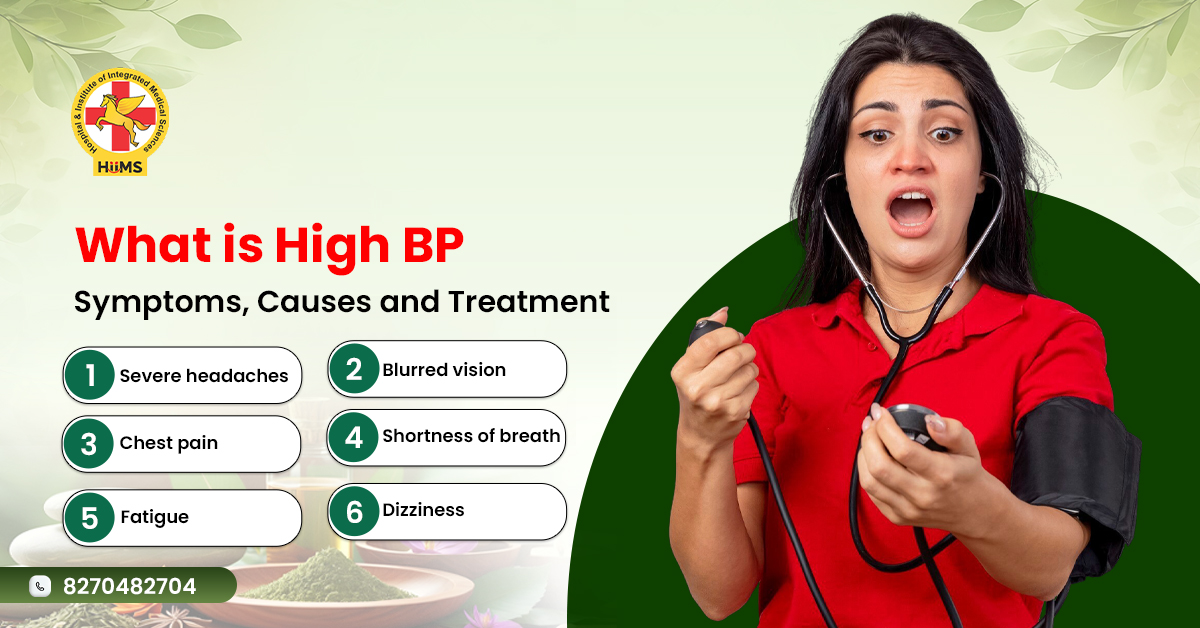
Many people notice repeated headaches, dizziness, unusual tiredness, or a heavy feeling in the chest. In some cases, the heartbeat feels irregular, breathing becomes difficult even with mild activity, and the mind feels restless. The challenge with high BP is that it does not interrupt daily activity immediately, which is why people generally do not realise it until readings remain high over time.
Common Causes of High Blood Pressure
The causes of high blood pressure usually develop from routine habits rather than a single reason. Some common causes include:
- When salty food, oily meals, and packed snacks become part of daily eating, the pressure inside the blood vessels starts rising little by little without being noticed.
- Mental stress, emotional overload, and lack of relaxation also contribute to this significantly.
- Physical inactivity, long sitting hours, and weight gain further disturb circulation.
- Lack of proper sleep stops the body from recovering well, and habits like smoking, drinking alcohol, or taking too much caffeine place extra strain on the system.
- Family history and existing health issues also increase vulnerability.
These factors together explain why BP symptoms appear gradually instead of suddenly.
High BP Symptoms You Should Not Ignore
Many people live with high BP without noticing early signs. However, as pressure increases, certain high bp symptoms begin to show up. These include:
- Frequent headaches, dizziness, unfamiliar tiredness, and heaviness in the chest.
- Some people experience uneven heartbeat, breathlessness during light activity, or mental restlessness.
- Blurred vision and constant anxiety may also appear in certain cases.
These bp symptoms are often mistaken for fatigue or stress, which delays attention. Regular BP monitoring helps identify changes early and prevents long-term imbalance.
BP High Treatment Approach at Jeena Sikho HiiMS
Root-Cause Based Blood Pressure Treatment
At Jeena Sikho HiiMS, treatment focuses on understanding why BP levels rise instead of only addressing the readings and test. This approach focuses on maintaining body balance while progress is observed carefully. Such high BP treatment methods work towards steady control instead of sudden or forced changes.
Natural Therapies Used for High BP
- Water-based therapies help relax the body and support circulation. Lower leg hot water immersion and hot water immersion are commonly used to ease pressure and support relaxation.
- Breathing practices such as left nostril breathing and Anulom Vilom are suggested because they help calm the nervous system.
- Panchakarma detox therapies focus on removing internal buildup through methods like Vamana, Virechana, Basti, Nasya, and Raktamokshana, always under supervision.
- Herbal support includes herbs like Ashwagandha for stress balance, Shankhapushpi for mental calmness, and Arjuna for heart support.
These therapies complement lifestyle correction and align with holistic principles.
Lifestyle Guidance to Support Blood Pressure Control
- Daily routine plays a major role in high BP balance. Eating on time, choosing fresh & seasonal foods, and limiting salt intake support internal rhythm.
- Walking regularly improves circulation, while simple stress management practices ease mental load.
- Quality sleep allows the body to recover naturally.
- Proper hydration supports blood flow, and avoiding smoking or excess alcohol reduces strain on vessels.
These habits, when followed consistently, strengthen long-term results alongside blood pressure treatment.
Conclusion
High blood pressure does not need to disrupt daily life when understood early and managed sensibly. Awareness of symptoms, clarity about causes, and timely action help prevent long-term strain on the body. A structured, natural, and root-focused, the high BP treatment approach supports constant improvement without unnecessary pressure.
At Jeena Sikho HiiMS, guidance focuses on balance, routine correction, and supportive therapies. If you are looking for clarity and direction, connect with the team at +91 82704-82704 or write to care@jeenasikho.com for further information.
FAQs
1. How often should blood pressure be checked?
Regular monitoring helps identify changes early and supports timely adjustment.
2. Can stress alone raise BP levels?
Continuous mental pressure affects circulation and may increase readings gradually.
3. Are lifestyle changes helpful for BP balance?
Routine correction and daily discipline support long-term stability.
4. Is high BP limited to older adults?
Working-age individuals may also experience rising BP due to routine imbalance.
5. How long does it take to notice improvement?
Progress varies based on consistency, habits, and individual body response.