

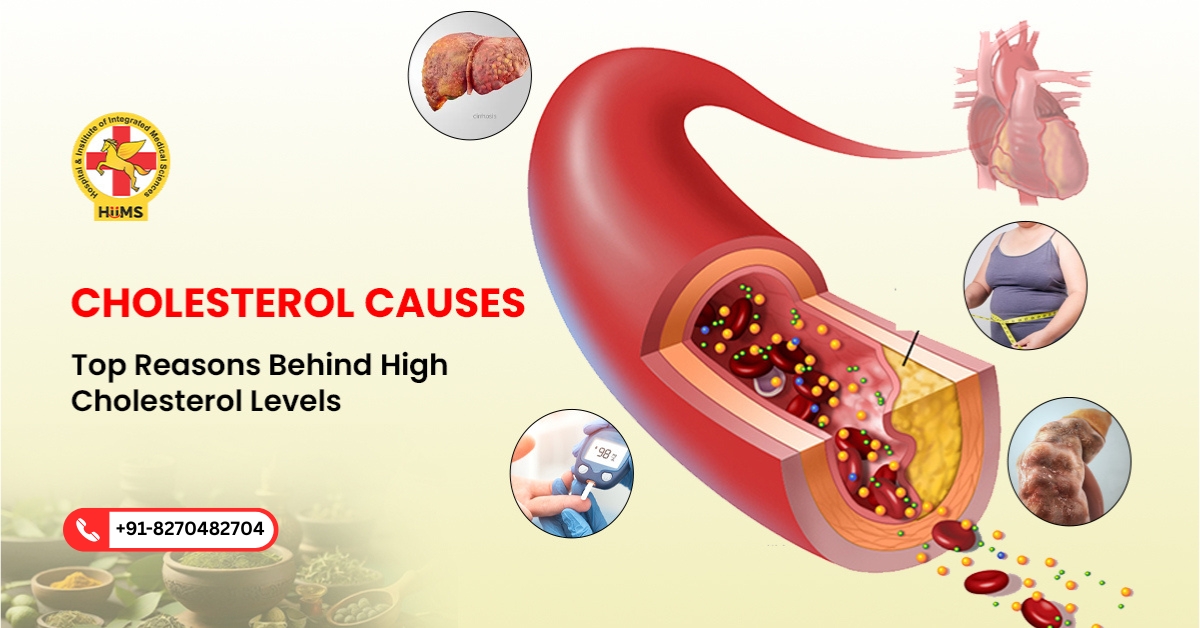
Each decision we make about eating, exercising, and sleeping affects our body’s balance, and daily habits slowly reflect in the test reports later. People generally notice minor breathlessness, a few extra kilos around the waist, or lower energy, and they treat those as temporary rather than connected signs. A report that lists higher cholesterol is just the visible part of a longer story made by habits, stress, medicines and family history.
This blog explains cholesterol causes in very simple language, avoiding medical terminology, so you can find practical links between daily life and rising numbers. You will read which everyday choices make the biggest difference, how common health problems quietly add to the risk, and what simple steps tend to help most people.
What Is Cholesterol and Why Does the Body Need It?
Cholesterol is a waxy substance the body uses to build cells and make certain hormones, and a healthy amount helps normal function. Problems start when the balance shifts so that the bloodstream carries more of the harmful type than the helpful kind.
When high cholesterol remains there for a long time, fatty material begins to gather on the inner walls of arteries and that raises long-term risk. Knowing how the types differ makes it easier to understand the rest of the causes of cholesterol discussed below.
Understanding Cholesterol Causes: Why Levels Start Increasing
A single meal definitely does not change numbers, but repeated patterns do. The common pathway for rising levels involves daily food choices, limited movement, weight shifts, stress, and sometimes underlying illness. Recognising the main patterns helps identify which causes of high cholesterol apply to you, and which need a doctor’s attention.
Unhealthy Food Habits – A Leading Cause
Regularly eating deep-fried items, packaged snacks, and heavy sweets supplies excess saturated and trans fats that push up LDL. Over time these items become clear causes of cholesterol because they alter how the liver handles fats and increase storage of unhealthy lipids. Reducing such foods and choosing whole grains, legumes and fresh vegetables makes a measurable difference.
Lack of Activity and a Sitting Lifestyle
Long hours seated at work or after dinner reduce calorie use and slow fat burning, which in turn can raise LDL and lower HDL. Modern routines that limit movement are common contributors to high cholesterol, and even short walks or simple daily activity breaks help improve lipid balance.
Excess Weight and Belly Fat
Carrying extra weight especially around the midsection changes hormone release and fat handling by the liver, which worsens lipid profiles. This link makes being overweight one of the most common causes of high cholesterol; losing a modest amount of weight often improves readings.
Smoking, Alcohol, and Other Habits
Smoking harms blood vessel walls and lowers protective HDL, while heavy alcohol intake raises triglycerides and burdens the liver. Both behaviors act as practical causes of cholesterol concerns and accelerate artery damage over time.
Stress, Poor Sleep, and Routine Imbalance
Continuous stress changes the body’s hormone balance and increases fat storage in the blood, and irregular sleep further disturbs this process. These daily pressures often become unnoticed reasons behind high cholesterol, even when a person feels their diet is fairly balanced.
Family History and Medical Conditions
Some people inherit a tendency to produce more cholesterol or to clear it less efficiently. Conditions like diabetes and thyroid problems also interact with lipid levels, so family history and existing illness form important causes of high cholesterol to discuss with a doctor.
Medications, Monitoring and When to Talk to a Doctor
Certain long-term medicines can raise blood fats, so regular monitoring matters when you start or change medication. Tracking patterns and tests helps determine whether the rise reflects daily life or a medical trigger. Understanding cholesterol causes in your case whether they come from medicines, habits or an illness, guides the right plan with the doctor.
Bringing It Together – Small Habits, Big Effects
Neglecting over routine checks, depending on fried snacks, skipping doing physical activity, and disregarding sleep add up across months. These small patterns quietly explain many cases of detected tests. Recognising cholesterol causes helps choose where to focus and saves months of trial and error. Identifying which of the above applies to you helps focus effort where it will matter most and supports steady, long-term improvement.
Conclusion
In short, understanding cholesterol causes means looking at more than a single test and seeing the daily patterns that shape long-term risk. Food choices, movement, sleep, stress, family history and certain health conditions all play parts of different sizes in any person’s profile. Spotting which of these applies to you makes improvement realistic rather than overwhelming.
If you would like individual assessment and a gradual plan built around your life, reach out to Jeena Sikho HiiMS Lucknow for a detailed review and steady support. Call +91 82704 82704 or email care@jeenasikho.com and the team will guide you through next steps with empathy and clarity.

FAQs
1. What are the most common reasons for rising cholesterol?
Unhealthy diet, low activity, excess weight, stress and inherited tendencies often combine to raise cholesterol over time.
2. How often should cholesterol be checked?
Routine lipid testing every 1-3 years suits many adults, while people with risks should undergo diagnosis more often under a doctor’s advice.
3. Can lifestyle changes reduce cholesterol without medicine?
Many people see meaningful decreases in LDL and triglycerides with sustained diet improvement, regular movement and modest weight loss.
4. Which medical conditions most influence cholesterol?
Diabetes, thyroid disorders, liver or kidney problems commonly interact with lipid levels and need to be managed alongside management.
5. When should I consult a doctor about cholesterol?
Discuss rising numbers promptly if you have a family history, other risk factors, or persistent elevations despite lifestyle fixes.
Disclaimer: The information provided on this blog is for general educational and informational purposes only. It is not intended to replace professional medical advice, diagnosis, or treatment. Always consult a qualified healthcare professional before making any changes to your diet, lifestyle, or treatment plan. Individual results may vary.