
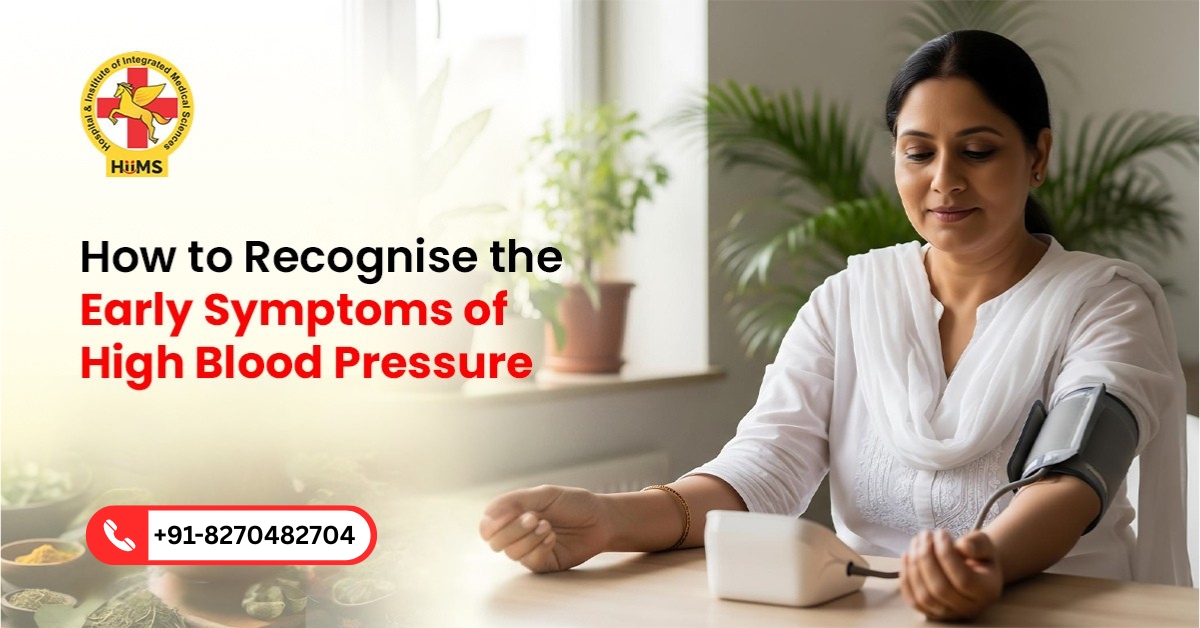
In today’s fast-moving lifestyle, health often takes a back seat. Long working hours, irregular meals, stress, lack of exercise, and poor sleep slowly affect our body without giving clear warnings. One such hidden problem is high blood pressure. Many people live with high BP for years and don’t even realize it. They feel “normal” and think everything is fine, but inside, their heart and blood vessels are under pressure.
High blood pressure, also known as hypertension, is often called a silent killer because it usually shows no clear symptoms in the early stage. By the time people notice something wrong, the condition may already be serious. That is why learning about high BP symptoms is very important.
This blog is written to help you understand the early high blood pressure symptoms in simple words. You will learn how to recognize warning signs, why BP increases, and when you should take action. If you or your family members often feel tired, dizzy, or uncomfortable without reason, this information can help you take the right step at the right time.
What Is High Blood Pressure?
Blood pressure means how strongly blood flows through your blood vessels. When this pressure stays high for a long time, it is called high blood pressure.
Normally, BP should be around 120/80 mmHg. When it stays above 140/90 mmHg regularly, it is considered high. High BP makes the heart work harder. Over time, it can damage the heart, brain, kidneys, and eyes if not controlled.
Common Causes of High Blood Pressure
High BP does not happen suddenly. It develops slowly due to unhealthy habits.
Some common causes include:
- Excess salt intake.
- Junk and processed food.
- Lack of physical activity.
- Obesity.
- Smoking and alcohol.
- Stress and anxiety.
- Poor sleep.
- Family history.
- Diabetes.
When these factors continue for years, blood pressure starts rising silently.
Early High Blood Pressure Symptoms
Although most people don’t feel anything in the early stage, some may notice symptoms of high blood pressure like
1. Frequent Headaches
Regular headaches, especially in the morning, can be an early sign. These headaches may feel heavy or dull and may come again and again.
2. Dizziness or Light-Headed Feeling
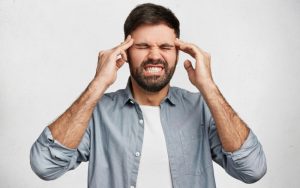
If you often feel dizzy, weak, or unsteady without reason, it can be linked to high BP.
3. Tiredness and Low Energy
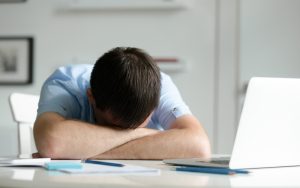
Feeling tired all the time even after proper sleep may indicate that your heart is working harder due to high pressure.
4. Blurred Vision

High BP may weaken tiny eye vessels, making it difficult to see clearly at times.
5. Shortness of Breath

Feeling breathless during simple activities like walking or climbing stairs can be a warning sign.
6. Chest Discomfort
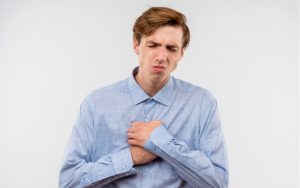
Mild chest heaviness or tightness should never be ignored. It may be linked to heart strain caused by high BP.
7. Nosebleeds (Rare)
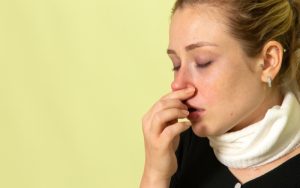
Occasional nosebleeds can happen in very high BP, but this is not common in early stages.
8. Difficulty in Concentration
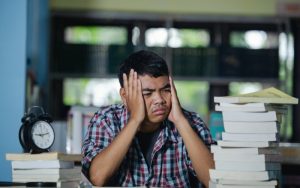
Some people feel confused or restless or have trouble focusing when BP is uncontrolled.
Remember, these high BP symptoms are not always caused by high BP. Such symptoms may appear because of stress, tiredness, or not drinking enough water. Still, if they happen regularly, medical advice is important.
Severe Symptoms That Need Immediate Attention
When blood pressure becomes very high, it can cause serious problems. These are emergency signs:
- Severe headache
- Chest pain
- Sudden weakness on one side
- Trouble speaking
- Vision loss
- Severe breathlessness
- Confusion
If you notice any of these, seek medical help immediately.
Who Is at Higher Risk and How to Get Help
People above 35, overweight individuals, office workers with low physical activity, stressed people, smokers, alcohol users, diabetics, and those with a family history are at higher risk of high blood pressure. If you belong to any of these groups, regular BP monitoring is very important.
You can check your BP at home, at a clinic, or during routine health checkups. Try to measure it every few months or as suggested by your doctor. If your BP readings remain high, Jeena Sikho HiiMS offers natural and personalised treatment through experienced doctors.
Natural Ways to Keep BP Under Control and When to See a Doctor
Keeping BP in control is not only about treatment. How you live every day makes a big difference. Eating right, staying active, practicing yoga, staying stress-free, resting well, and avoiding harmful habits can slowly improve your health.
If your BP readings are high again and again, or you feel dizziness, chest discomfort, or weakness, it is better to consult a doctor early after knowing early symptoms of high BP. At Jeena Sikho HiiMS, trained doctors guide patients with natural and personalized plans for safe BP control.
Conclusion
High blood pressure is a serious condition that usually does not show clear high BP symptoms in the early stage. Knowing the early symptoms of high blood pressure and monitoring BP on time is necessary. Minor problems today may turn into major health concerns in the future. With timely care, healthy habits, and proper guidance, BP can be controlled well. If you are worried about your blood pressure, consult experienced doctors at Jeena Sikho HiiMS Lucknow for personalized care and natural treatment support.
Call: +91 82704 82704
Email: care@jeenasikho.com.
FAQs
1. Can high BP exist without symptoms?
Many people have high BP for years without feeling anything. That’s why regular checks are necessary.
2. Is a headache always a sign of high BP?
Headaches can happen due to many reasons. But frequent headaches should be checked.
3. At what age does high BP start?
It can start at any age, but risk increases after 30–35 years.
4. Can stress increase blood pressure?
Long-term stress can raise BP levels and affect heart health.
5. Can diet alone control high BP?
Diet helps in a lot of ways, but with a healthy diet, a good lifestyle, and medical advice, it is also important.
early symptoms of high BP, high blood pressure symptoms, high bp symptoms, symptoms of high blood pressure
Disclaimer: The information provided on this blog is for general educational and informational purposes only. It is not intended to replace professional medical advice, diagnosis, or treatment. Always consult a qualified healthcare professional before making any changes to your diet, lifestyle, or treatment plan. Individual results may vary.