
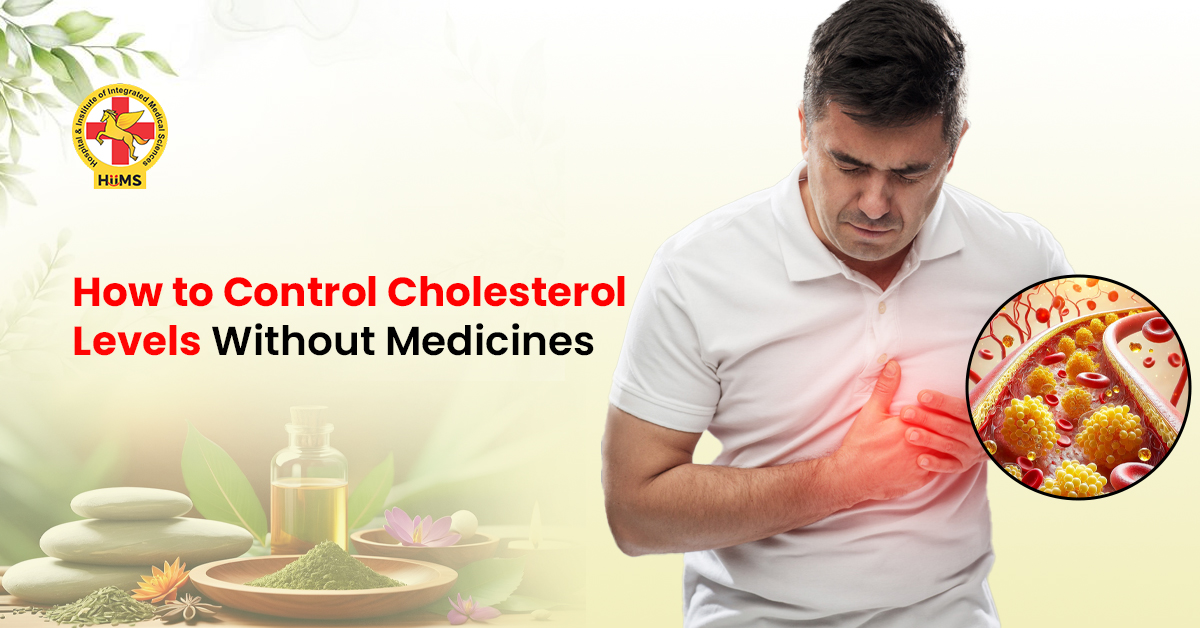
Cholesterol generally enters our lives informally, through a blood report handed over during a routine check-up or a casual remark from a doctor. Most people don’t feel sick, don’t feel weak, and yet the numbers raise concern. Cholesterol itself is not harmful. The body needs it to build cells, support hormones, and maintain normal functions. The main issue begins when daily habits push this balance slightly off track, little by little.
Long working hours, rushed meals, late dinners, constant screen time, and stress slowly change how the body handles fats. Digestion becomes slow, the capacity to do physical activity decreases, and sleep becomes unusual. Over time, this internal imbalance reflects in cholesterol levels. Many people, at this point, start looking for how to control cholesterol without stepping into lifelong medication.
This blog walks you through simple food habits, lifestyle adjustments, and natural perspectives that help manage cholesterol gently and steadily, without panic or confusion.
Understanding Cholesterol and How It Affects the Body
Cholesterol supports cell repair, hormone production, and nerve function. The body produces what it needs, and digestion plays a key role in handling excess fats. When cholesterol stays balanced, the circulation remains seamless. When levels rise beyond what the body can manage, fats begin to deposit along blood vessel walls.
This buildup does not cause immediate pain. That is why high cholesterol often goes unnoticed in the early stages. The process stays slow and silent, making routine correction through daily habits more important than waiting for discomfort.
Early Signs That Cholesterol May Be Rising
Some people notice small changes over time. Heaviness after meals, feeling tired after basic activity, or reduction in stamina during daily work may appear. Mild circulation problems or numbness in the hands and feet can also develop. These signs are subtle, but they generally point toward an internal imbalance that needs attention.
Common Daily Habits That Increase Cholesterol Levels
- Irregular eating patterns disturb digestion.
- Late dinners prevent proper fat metabolism.
- Frequent intake of fried, packaged, and heavy foods overloads the system.
- Sitting for long hours reduces fat usage, while stress and poor sleep weaken metabolic strength.
In combination, these habits slowly push cholesterol levels upward.
How to Control Cholesterol Through Daily Food Choices
What we eat affects cholesterol levels more than many people think. Learning how to control cholesterol begins with understanding digestion, not calorie charts. When digestion stays strong, the body handles fats efficiently. Simple food patterns, followed consistently, support natural fat balance and steady cholesterol management.
Principles of Cholesterol Management Through Diet
- Light, fresh, seasonal meals digest easily and reduce internal load.
- Fibre helps the body eliminate excess fats naturally.
- Meal timing matters just as much as food choice.
- Eating slowly allows the digestive system to work properly, even with simple home food.
Foods That Support Healthy Cholesterol Levels
- Daily meals benefit from fruits, vegetables, whole grains, and millets.
- Nuts and seeds support fat balance when eaten in limited amounts.
- Common kitchen spices like turmeric, garlic, cumin, and coriander gently support digestion and circulation when used regularly.
Foods and Habits That Worsen Cholesterol Imbalance
- Fried and processed foods strain digestion.
- Excess sugar, non veg. and heavy dairy increase fat storage.
- Late-night eating interrupts metabolism.
- A sedentary routine further slows fat usage, making cholesterol harder to manage over time.
Structured Eating for Better Cholesterol Control
- Fixed meal timings prepare the body for digestion.
- Breakfast and lunch provide energy, while lighter dinners at night support fat metabolism.
- Allowing the body to rest overnight improves repair and balance naturally.
Disciplined Eating Approach for Cholesterol Balance
A structured food order supports digestion effectively. The DIP Diet focuses on eating fruits and raw salads before cooked meals.
- Morning: Seasonal fruits (around 10 g per kg body weight), followed by a simple home meal or millet dish.
- Lunch: Raw vegetable salad and fruits (5 g per kg body weight), followed by regular home food.
- Dinner:
- Without dinner: Only fruits and vegetable salad (10 g x body weight)
- With dinner: Salad & fruits first (5 g x body weight), followed by light vegetable soup
Don’t take any break after Plate 1 (raw things). Eat Plate 2 immediately after finishing Plate 1. This pattern of eating Plate 1 and Plate 2 improves digestion and circulation steadily.
Lifestyle Habits That Strengthen Cholesterol Control
- Daily walking keeps circulation active.
- Gentle breathing practices help manage stress.
- Proper sleep timing supports hormonal balance.
Together, these habits strengthen long-term cholesterol management.
Ayurvedic View on High Cholesterol Treatment
From an Ayurvedic perspective, high cholesterol treatment focuses on digestion and metabolic balance. Weak digestion leads to fat accumulation and channel blockage. The approach aims to correct the root cause rather than suppress numbers, allowing balance to return gradually.
Natural Support Used Alongside Diet When Needed
Herbal support forms part of broader cholesterol management when guided properly. Individual assessment ensures safety and steady progress. Natural care works best when combined with disciplined food and lifestyle habits.
When to Consult a Cholesterol Doctor
Persistently high cholesterol in reports, family history of heart issues, or symptoms that don’t improve with routine changes indicate the need for a cholesterol doctor. Professional monitoring prevents complications and provides clarity.
Long-Term Benefits of Managing Cholesterol Without Medicines
- Better digestion improves energy levels.
- Blood Circulation feels more natural.
- Dependence on chemical support reduces over time.
- Consistent habits restore balance naturally and sustainably.
Conclusion
Learning how to control cholesterol is less about anxiety and more about patience. Daily food choices, fixed routines, and mindful living create steady improvement. Cholesterol control works best when habits stay simple and consistent, not extreme. Natural guidance adds safety and direction when needed.
For personalised support, connect with Jeena Sikho HiiMS at +91 82704-82704 or email care@jeenasikho.com to plan balanced, long-term care.

FAQs
1. What is the simplest way to start learning how to control cholesterol?
Fixed meal timings, light home food, and daily walking for at least a few minutes create a strong base for cholesterol balance.
2. Is diet enough for high cholesterol treatment?
Diet forms the foundation, while lifestyle correction and guidance strengthen long-term results.
3. How does Cholesterol management work without medicines?
Consistent food patterns, digestion support, and routine changes help the body regulate fats naturally.
4. When should a Cholesterol doctor be consulted?
Persistently high cholesterol showing in reports or family history indicates the need for monitored professional guidance.
5. How long does it take to see improvement?
Steady Cholesterol management usually reflects gradual improvement within a few months of consistency.