
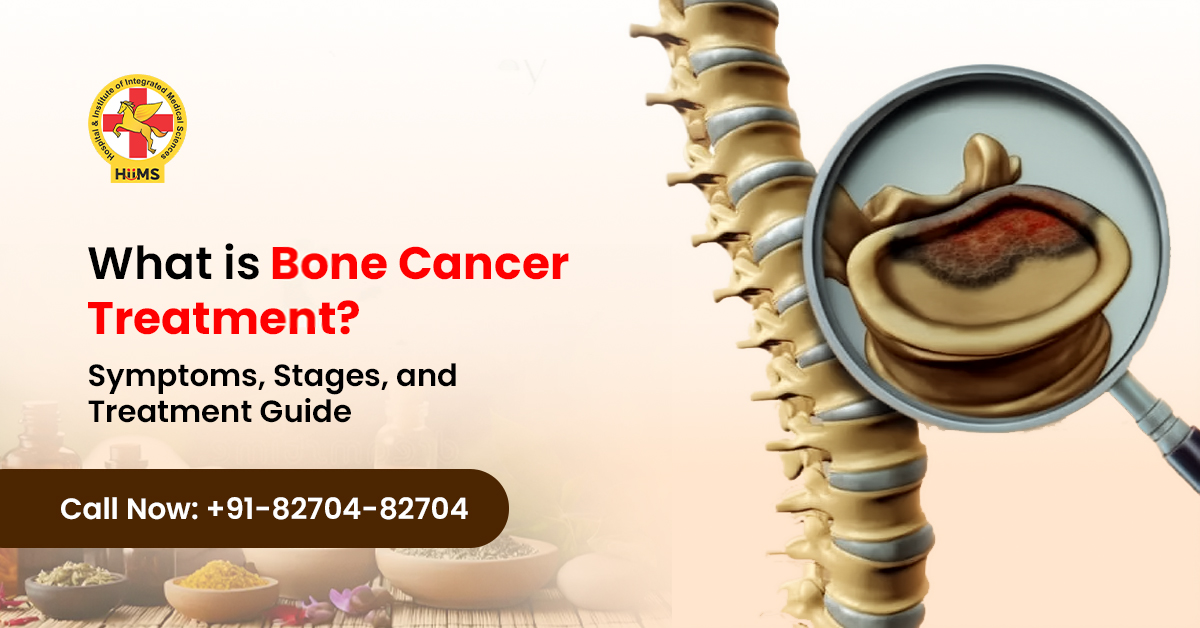

Bone cancer is a critical illness, but proper attention and treatment can help control it. Mild pain in bones or joints is often overlooked, as many believe it’s just from age or everyday bumps. Ignoring it often causes late diagnosis. Knowing the symptoms, stages, and bone cancer treatment choices helps patients and their families make smart decisions. Early awareness also increases chances of recovery and a better life.
Bone cancer affects people of all ages and can start in any bone of the body. The disease not only impacts physical health but also affects emotional well-being. Choosing the right care path matters a lot. Along with modern medical support, Ayurveda focuses on balancing the body, improving strength, and supporting natural healing. Hospitals like Jeena Sikho HiiMS guide patients with a holistic approach that supports both body and mind. Knowing the right steps at the right time can make the journey easier and more hopeful.
Understanding Bone Cancer
Bone cancer happens when unusual cells in the bone start growing out of control. These cells weaken the bone structure and may spread to nearby tissues. Some bone cancers start directly in the bone, while others spread from different organs. Pain, swelling, and restricted movement are common issues.
People often miss the early warning signs of cancer, such as mild pain that comes and goes. Over time, the pain becomes constant and may increase at night. Identifying the disease early helps doctors act faster and keep complications under control.
Symptoms of Bone Cancer You Should Not Ignore
Noticing symptoms early can make a big difference. Common signs include:
- Persistent bone pain that worsens over time.
- Swelling or lumps near the affected bone.
- Weak bones that fracture easily.
- Fatigue and unexplained weight loss.
These symptoms are often mistaken for injuries. Ignoring these warning signs of cancer delays diagnosis and treatment. If pain lasts longer than a few weeks, medical advice is necessary.
Stages of Bone Cancer Explained Simply
Bone cancer is divided into stages to understand how far it has progressed:
- Stage 1: Cancer is limited to the bone and grows slowly.
- Stage 2: Cancer is still in the bone, but more aggressive.
- Stage 3: Cancer spreads to the nearby areas.
- Stage 4: Cancer spreads to the other organs.
Knowing the stage helps doctors plan the right bone cancer treatment. Early stages are usually easier to treat and respond better to combined methods.
Diagnosis and Medical Evaluation
Doctors examine bones with X-rays, MRI, or CT scans to see any damage clearly. Going to a trusted cancer hospital with advanced tools gives accurate results. Proper diagnosis avoids unnecessary procedures and improves treatment outcomes.
Bone Cancer Treatment: Modern and Ayurvedic Approaches
Bone cancer is treated with surgery, chemo, or radiation, based on the stage of the disease. These treatments work to remove cancer cells but may cause fatigue or weak immunity.
Ayurveda supports the body by improving strength and balancing internal systems. Herbal medicines, detox therapies, and diet help recovery and manage side effects. The experienced cancer doctor in centers like Jeena Sikho HiiMS gives personalized Ayurvedic support with medical treatment, helping patients regain strength in a natural way.
Holistic Ayurvedic Approach to Bone Cancer at Jeena Sikho HiiMS
At Jeena Sikho HiiMS, bone cancer treatment is designed around the patient’s overall well-being. Instead of just focusing on symptoms, therapies look at the root causes of the condition. They also try to improve the body’s own healing ability. The main goal is to boost immunity, restore balance, and support general health, while carefully managing the disease.
Panchakarma Detox
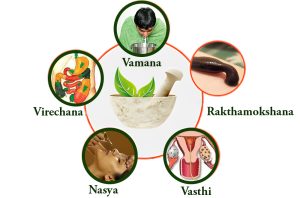
Panchakarma is a traditional five-step detox treatment. It helps remove toxins from the body and brings internal balance. It includes therapies like Vamana (therapeutic vomiting), Virechana (purgation), Basti (medicated enema), Nasya (nasal therapy), and Raktamokshana (blood purification). During bone cancer care, Panchakarma helps the body flush out harmful substances. It also strengthens natural defenses and improves overall resilience.
Golden Therapy
Golden Therapy uses a special herbal paste made from banyan leaves, bitter gourd, guava leaves, neem leaves, peepal leaves, doob grass, and raw turmeric. The paste is softly pressed using the soles of the feet. It helps detoxify the body and supports the healing of cells affected by cancer. It is called “Golden Therapy” because the herbal paste naturally turns golden during the process.
Cancer Detox Juice
Patients are also given a specially prepared cancer detox juice as part of supportive care. This juice contains banyan leaves, peepal leaves, guava leaves, betel leaves, mint, coriander, curry leaves, along with leafy greens like spinach, amaranth, and fenugreek, plus natural boosters like raw turmeric, ginger, gooseberry, and beetroot mixed with alkaline water. It helps cleanse the body, improve immunity, and works well alongside other treatments.
Therapeutic Fasting
Therapeutic fasting helps the body remove damaged cells naturally through autophagy. Patients follow a 12–16 hour eating window, focusing on plant-based or alkaline foods. During fasting, detox drinks and water nourish the body while cleaning it. Fasting supports healing, boosts metabolism, and improves the effectiveness of other therapies.
Personalized Care at Jeena Sikho HiiMS
At Jeena Sikho HiiMS, Ayurvedic cancer specialists review each patient’s body type, general health, and special needs. Treatments are adjusted for the person. Together with guidance from the best cancer specialist, this approach helps control bone cancer and maintain long-term wellness.
Ayurveda doesn’t just fight the illness; it also restores strength and reduces side effects. Patients receive holistic support in a safe and balanced environment, feeling cared for at all times.
Bone Cancer Survival Rate and Recovery
The bone cancer survival rate depends on the stage, type, and response to treatment. Early-stage bone cancer has a higher survival rate, while advanced stages require intensive care. Regular follow-ups, a healthy diet, and supportive therapies improve recovery chances.
Maintaining a positive mindset and following medical advice consistently play a big role in healing. Understanding the cancer survival rate helps families set realistic expectations and stay prepared.
Living Well After Treatment
Life after treatment involves regular check-ups, physical therapy, and emotional care. Patients should focus on nutrition, gentle exercise, and stress management. Ayurveda helps rebuild strength and supports long-term wellness. Combining medical follow-ups with holistic care improves overall quality of life.
Conclusion
Bone cancer can feel overwhelming, but timely care and the right guidance truly change the outcome. Understanding symptoms, stages, and bone cancer treatment options helps patients take charge of their health. Early diagnosis, proper medical care, and supportive therapies improve recovery chances.
Ayurveda adds strength by supporting natural healing and balance. Hospitals like Jeena Sikho HiiMS focus on holistic recovery, helping patients heal with care and compassion. With awareness, the right treatment, and steady support, patients can move forward with hope toward a healthier life.

FAQs
- What is bone cancer?
Bone cancer occurs when abnormal cells grow uncontrollably in the bones.
- What are the early signs of bone cancer?
Persistent bone pain, swelling, weakness, and fatigue are common early signs.
- Can bone cancer affect people of all ages?
Yes, bone cancer can develop in children, adults, and older adults. - What is the role of a cancer hospital?
Cancer hospitals provide accurate diagnosis, treatment planning, and specialized care.
- Who is the best cancer specialist?
A doctor with experience and expertise in managing bone cancer cases.