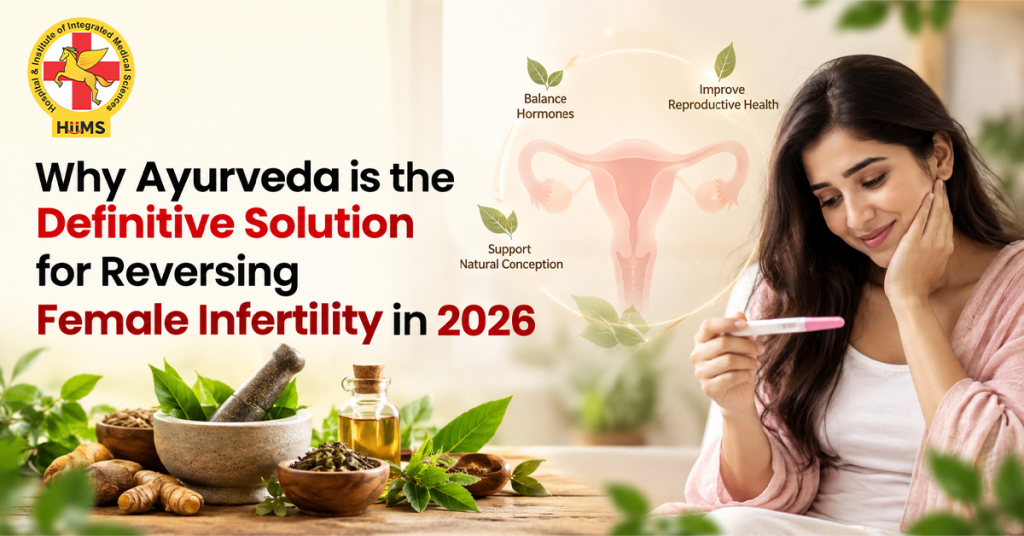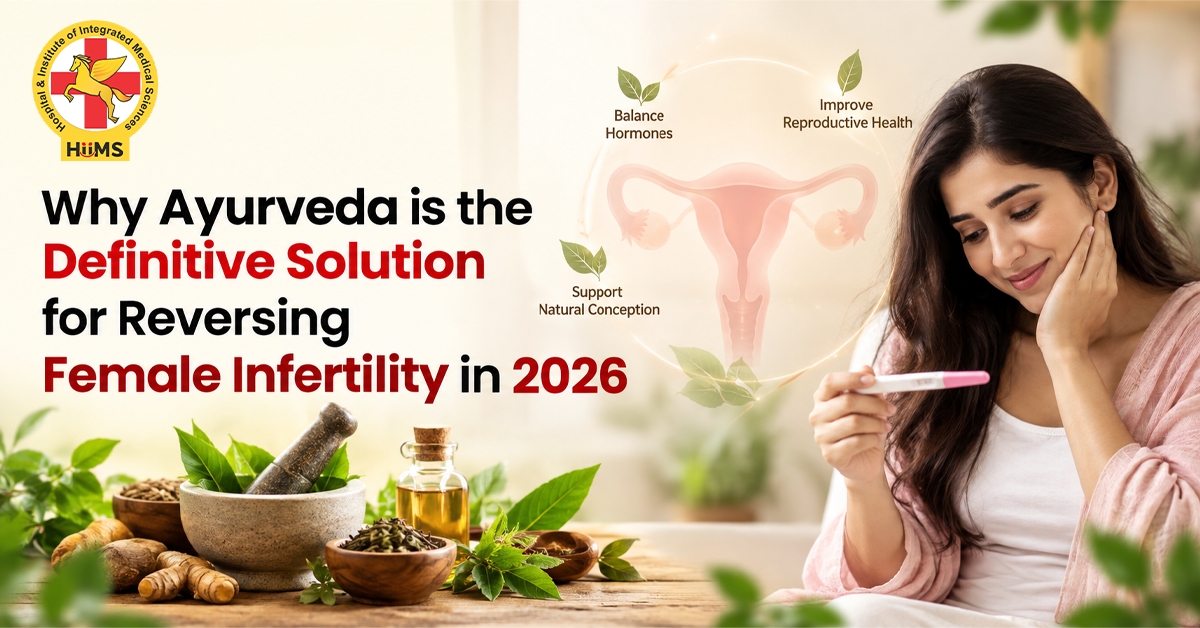

When pregnancy does not happen as expected, the first question is often, “What is wrong?” But fertility is not controlled by one organ or one hormone alone. Several things have to come together at the right time for conception to happen.
Ayurveda has its own way of looking at this process. Classical texts describe four important factors: Ritu, the right time. Kshetra, the reproductive area. Ambu, nourishment and Beeja, the reproductive seed.
Modern fertility care looks at many of the same practical areas through ovulation, the uterus, fallopian tubes, hormones, ovarian reserve and sperm health.
Redefining Infertility: Looking Beyond the Timeline
The commonly used infertility meaning is the inability to conceive after 12 months of regular unprotected intercourse. For women aged 35 and above, fertility evaluation is generally considered earlier. This definition is useful because it tells us when an evaluation may be needed, but it does not explain why conception has not happened.
There can be several infertility causes, and sometimes more than one factor is involved. Ovulatory dysfunction accounts for around 35% of female infertility cases, making regular ovulation an important part of fertility assessment.
What Can Affect Female Fertility?
Female fertility can be influenced by:
- Irregular or absent ovulation
- PCOS or PCOD
- Increasing age and changes in ovarian reserve
- Endometriosis
- Fibroids or other uterine conditions
- Problems affecting the fallopian tubes
- Certain hormonal or thyroid conditions
- Lifestyle and nutritional factors
- A combination of female and male fertility factors
From an Ayurvedic perspective, these concerns may also be viewed through concepts such as Agni, Ama, Dosha balance and the condition of the body’s Srotas, or channels. These are traditional Ayurvedic concepts and are not direct equivalents of modern medical diagnoses.

Can Infertility Be Treated With Ayurveda? Understanding What It Can and Cannot Do
Ayurveda has traditionally approached fertility by looking at the person’s overall health, menstrual cycle, digestion, diet, lifestyle and reproductive health. Depending on the individual case, an Ayurvedic plan may include food and lifestyle changes, herbs or traditional therapies.
However, there is no single Ayurvedic treatment that can address every cause of infertility. A woman with irregular ovulation may need a very different approach from someone with a tubal problem or reduced ovarian reserve.
This is why it is important to understand the cause before deciding on treatment. Ayurveda may be explored alongside appropriate gynecological or fertility care rather than being treated as a replacement for necessary medical evaluation.
Why Diagnosis is Important Before Treatment
A fertility assessment can provide useful information about what is happening inside the reproductive system. Depending on the situation, a doctor may recommend ultrasound, follicular monitoring, hormone testing, thyroid testing, ovarian-reserve assessment or an HSG to examine the fallopian tubes.
Male fertility also has an impact. A semen analysis is often part of the evaluation because conception depends on both partners.
For an integrated approach, these reports can be discussed alongside an Ayurvedic assessment. This gives the treatment team a clearer picture instead of relying only on symptoms or assumptions.
If you are exploring Ayurvedic treatment for female infertility, it is helpful to discuss your health history, current medicines and previous fertility reports with a qualified doctor. You can also opt for a VOPD consultation with experienced doctors at Jeena Sikho HiiMS to discuss your fertility concerns and understand suitable care options from home.

Shuddhi Panchakarma and Reproductive Health
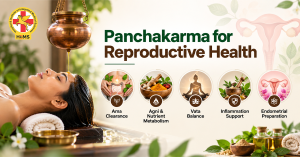
Panchakarma has an important place in traditional Ayurveda, but it is not a procedure that should be selected simply because someone is trying to conceive. The therapy is individualized and may begin with preparatory steps such as Purvakarma, Snehana and Swedana before a suitable procedure is considered.
Ayurveda describes this process in terms of preparing the body and addressing an imbalance before moving towards restorative care. The exact approach depends on the person’s constitution, current health, menstrual cycle and other factors.
What Panchakarma May Aim to Address
Within traditional Ayurvedic practice, an individualized Panchakarma plan may focus on:
- Supporting healthy digestion and Agni
- Establishing more regular food and daily routines
- Maintaining overall metabolic wellbeing
- Addressing an individual’s Dosha imbalance
- Preparing the body for subsequent Ayurvedic care
- Supporting general reproductive wellness
Ayurveda was the most frequently used by women, at 10%. The idea of “detox” in Ayurveda should not be confused with the removal of medically defined toxins from the reproductive organs. Panchakarma is also not suitable for everyone. Pregnancy, certain illnesses, medications and other health factors need to be considered before treatment begins.
Uttar Basti and Female Infertility: What the Therapy Involves
Uttar Basti is a traditional Ayurvedic procedure used in certain forms of gynecological care. It involves administering a selected medicated preparation through the reproductive tract under appropriate clinical supervision.
Uttar Basti is generally planned according to the person’s condition and menstrual cycle. Because the procedure involves the reproductive tract, proper examination, hygiene and trained supervision are particularly important.
Ayurvedic practitioners may consider Uttar Basti in cases involving particular menstrual or reproductive concerns. However, it should not be assumed that the procedure can resolve every structural problem affecting fertility.
Can Uttar Basti Open Blocked Fallopian Tubes?
A blocked fallopian tube can have different causes. Adhesions, previous pelvic infections, endometriosis, hydrosalpinx and other structural changes can affect tubal function.
For this reason, a suspected tubal blockage should first be confirmed through appropriate medical testing. An HSG or another investigation may be used depending on the clinical situation.
Uttar Basti should not be presented as a guaranteed method for opening a blocked tube. Where significant tubal disease is present, a gynecologist or fertility specialist may recommend specific medical or surgical options. The right course depends on the location and cause of the problem.
How an Integrated Protocol May Be Structured
When traditional Ayurvedic therapy is considered, the process may broadly involve:
- Initial assessment — understanding the menstrual cycle, health history and available fertility reports.
- Individualized preparation — diet, lifestyle and suitable preparatory measures based on the person’s condition.
- Appropriate Ayurvedic therapy — selected only when considered suitable by the treating practitioner.
- Follow-up assessment — reviewing symptoms and relevant clinical findings.
- Reproductive planning — coordinating with a gynecologist or fertility specialist whenever further medical care is needed.

Ayurvedic Herbs Traditionally Used in Female Reproductive Care
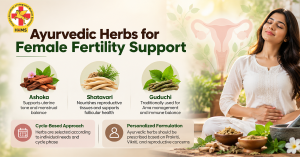
Ayurvedic herbs are not all used for the same purpose. Traditionally, practitioners select herbs according to the person’s constitution, symptoms, digestion, menstrual pattern and other factors.
Taking several herbs together without guidance is not a good way to approach fertility care. The formulation, dose and timing can all have an impact.
Ashoka
Ashoka (Saraca indica) has a long history of use in Ayurvedic women’s health. It is traditionally included in formulations concerned with menstrual and uterine health, particularly where excessive or uncomfortable menstrual bleeding is part of the picture.
Shatavari
Shatavari (Asparagus racemosus) is traditionally regarded as a nourishing Rasayana for women. It is commonly associated with reproductive health and general nourishment, although its use should still be individualized rather than treated as a universal fertility herb.
Guduchi
Guduchi (Tinospora cordifolia) is traditionally used in Ayurveda in formulations concerned with general vitality and maintaining balance. Ayurvedic practitioners may consider it when broader digestive or systemic concerns are part of a person’s assessment.
Lodhra
Lodhra (Symplocos racemosa) has also been used traditionally in women’s health formulations. Its traditional applications include certain menstrual and reproductive concerns.
Why You Should Not Self-Prescribe Ayurvedic Herbs
The fact that an herb is natural does not mean it is suitable for every woman. Dose, formulation, timing, existing medicines and pregnancy status all need to be considered.
This becomes especially important when someone is already taking fertility medicines or preparing for assisted reproductive treatment. A qualified practitioner can review the complete picture before recommending an herbal formulation.
The HiiMS Approach: Integrated Medical Management
Fertility care becomes easier to understand when traditional assessment and modern investigations are looked at together. At Jeena Sikho HiiMS, the Ayurvedic approach can be considered alongside relevant diagnostic information rather than in itself.
Assessment Before Treatment
The first step is understanding the individual case. Menstrual history, previous reports, lifestyle, diet and other health factors can all provide useful information.
An Ayurvedic assessment may consider Prakriti and Vikriti, while medical investigations can help identify ovulation patterns, hormone levels, ovarian reserve, tubal status or other fertility-related findings.
Personalized Diet and Lifestyle
Food and daily routine are also important parts of preconception care. Depending on the individual, guidance may focus on regular meals, balanced nutrition, proper sleep, physical activity and a manageable daily routine.
The goal is not to follow a complicated diet. In most cases, simple habits that can actually be followed every day are easier to maintain.
Monitoring Progress
Fertility care should not depend only on whether someone feels better. When appropriate, follow-up may include ultrasound, follicular monitoring, hormone tests or other investigations recommended by the treating doctor.
Mind and Pregnancy Preparation
Preparing for pregnancy also means paying attention to sleep, stress, daily routine and emotional wellbeing. These factors do not explain every case of infertility, and infertility should never be reduced to stress alone.
Still, a calmer and more regular routine can make the preconception period easier to manage. At HiiMS, these lifestyle areas can be considered alongside reproductive assessment and individualized care.
Preparing the Body and Mind for Pregnancy
There is no single routine that works for every woman, but a few basic habits can make the preconception period more structured.
Try to maintain regular sleep and include nutritious foods in everyday meals. Staying physically active can also be helpful for general health. Avoiding tobacco and excessive alcohol is important when preparing for pregnancy.
Women planning pregnancy should also discuss folic acid or other recommended supplements with their healthcare provider. Existing medicines should be reviewed before conception rather than stopped on your own.
Understanding the fertile window can be useful as well, especially when menstrual cycles are regular. If cycles are very irregular or absent, however, it is worth getting the underlying reason checked instead of relying only on fertility tracking.
When Should You Seek Fertility Evaluation?
The right time to seek an evaluation depends partly on age and medical history.
For women younger than 35, fertility evaluation is generally recommended after 12 months of regular unprotected intercourse without conception. For women aged 35 or older, evaluation is generally considered after 6 months.
Earlier assessment may be appropriate when periods are very irregular or absent, there is known or suspected endometriosis, there has been previous pelvic infection or surgery, or there is a concern about the fallopian tubes, ovarian reserve or another fertility factor.
Seeking an assessment does not mean that a particular treatment will be required. It simply helps identify what may be affecting conception.
Ayurveda and Modern Fertility Care: An Integrated Path
Fertility is a personal journey, and the reason conception has not occurred can differ greatly from one woman to another. Ayurveda offers a traditional framework that looks at digestion, daily routine, Dosha balance, diet and reproductive wellbeing.
Modern fertility care, meanwhile, provides investigations that can identify problems involving ovulation, hormones, ovarian reserve, the uterus, fallopian tubes and sperm.
For some people, these approaches may be considered together. The important part is knowing what each approach can realistically offer and making treatment decisions based on proper assessment.
Find the Right Fertility Care at HiiMS
Jeena Sikho HiiMS follows an integrated approach that brings Ayurvedic care together with diagnostic assessment, diet and lifestyle guidance. Depending on the individual’s condition, the care plan may include consultation, selected traditional therapies and appropriate follow-up.
If you are trying to conceive and want to understand your fertility concerns more clearly, an initial consultation can help you discuss your symptoms, previous reports and possible care options with a doctor.

Conclusion
Female infertility can have many causes, so understanding the reason behind difficulty conceiving is an important first step. Ayurveda offers a traditional approach that considers digestion, lifestyle, menstrual health and overall balance, while modern investigations can identify specific reproductive factors. Combining these perspectives may help create a more informed care plan for some women.
If you are exploring Ayurvedic treatment for female infertility, professional guidance is important, particularly when medicines or fertility procedures are involved. Connect with Jeena Sikho HiiMS to discuss fertility concerns, review reports and understand care options suited to your needs.
FAQs
Q1: What are the common reasons for female infertility?
Common factors include irregular ovulation, PCOS, age-related changes in fertility, endometriosis, tubal problems, uterine conditions and certain hormonal issues.
Q2: When should a woman consider a fertility evaluation?
An evaluation is generally considered after 12 months of trying if under 35, or after 6 months from age 35 onward, with earlier assessment for certain medical concerns.
Q3: What does an Ayurvedic fertility consultation include?
It may include discussion of menstrual history, diet, lifestyle, digestion, previous health concerns and Ayurvedic assessment, along with a review of relevant medical reports.
Q4: What lifestyle habits can be followed while preparing for pregnancy?
Regular sleep, balanced meals, physical activity, avoiding tobacco and excessive alcohol, and appropriate preconception supplements can form part of healthy preparation.
Q5: Can Ayurveda and modern fertility care be used together?
They may be considered together in some cases, but herbs and traditional therapies should be discussed with the relevant healthcare professionals to avoid unwanted interactions or delays in necessary treatment.
Disclaimer: The information provided on this blog is for general educational and informational purposes only. It is not intended to replace professional medical advice, diagnosis, or treatment. Always consult a qualified healthcare professional before making any changes to your diet, lifestyle, or treatment plan. Individual results may vary.