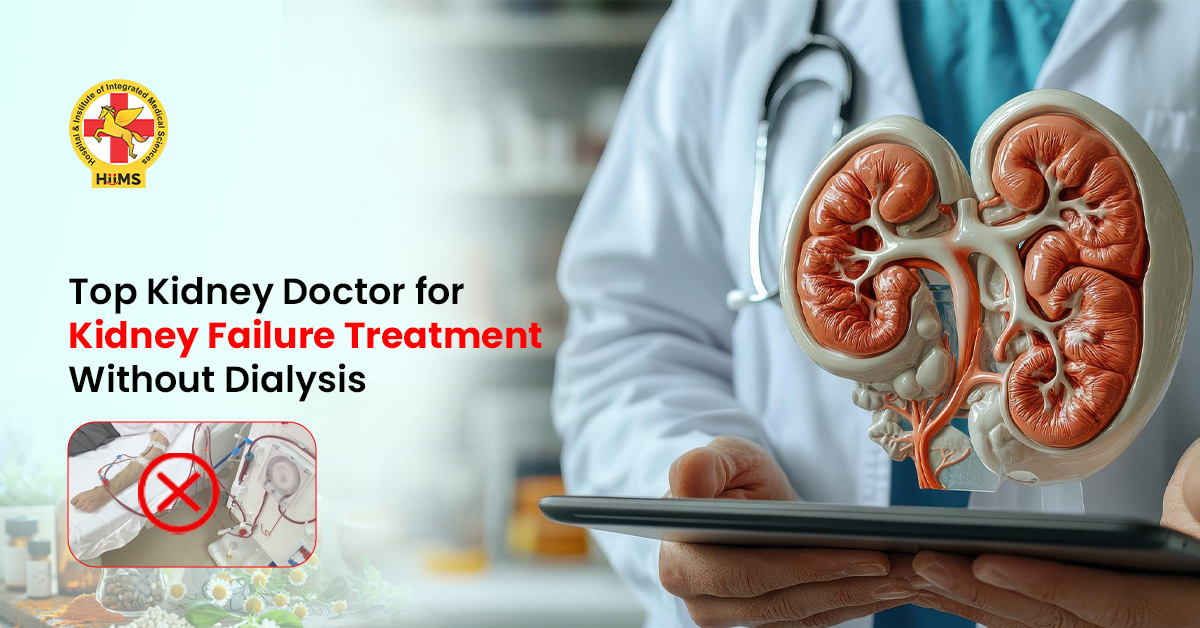

Hearing the words kidney failure can be very scary. Most people immediately think about dialysis. Many believe that once kidneys fail, dialysis is the only option. But that is not always true in every case.
In some stages of kidney disease, structured medical care and natural supportive treatment may help manage the condition without immediate dialysis. The key is early diagnosis and proper supervision by an experienced kidney specialist doctor.
In this blog, we will understand kidney failure in simple words and explore how kidney failure treatment without dialysis may be possible in kidney hospitals in certain cases.
What Is Kidney Failure?
Your kidneys work like natural filters. They remove waste, extra water, and toxins from your blood. When kidneys become weak and cannot filter properly, it is called kidney failure. This usually happens slowly over time due to:
- Long-term diabetes.
- High blood pressure.
- Repeated kidney infections.
- Uncontrolled use of painkillers.
- Chronic kidney disease.
If not treated early, the condition can become serious.
Common Signs of Kidney Failure
Some symptoms may include:
- Swelling in feet or face.
- Less urine output.
- Tiredness.
- Nausea.
- Breathlessness.
- High creatinine levels in reports.
If these signs appear, consulting a kidney specialist is important.
Kidney Failure Treatment Without Dialysis
Non-dialysis kidney failure treatment aims to protect whatever kidney function is still left.
- Strict Medical Monitoring
Routine blood tests, including creatinine levels, are done to track changes. - Blood Pressure and Sugar Control
Take care of your blood pressure and sugar to avoid further kidney problems. - Kidney-Friendly Diet
Managing the diet helps reduce strain on the kidneys. The amount of salt and protein is changed according to individual needs. - Natural Supportive Care
Some centers provide medical supervision along with natural kidney disease treatment. The focus is on better circulation, lowering toxins in the body, and helping the kidneys work smoothly.
Kidney Failure Treatment in Ayurveda
In Ayurveda, kidney failure treatment looks at the body as a whole instead of only treating symptoms. The aim is to support kidney function, improve urine flow, reduce swelling, and correct digestion. Treatment usually includes herbal medicines, a light and kidney-friendly diet, reduced salt intake, and gentle practices like yoga and breathing exercises. This holistic approach supports long-term stability and overall well-being.
Kidney Failure Treatment Without Dialysis at Jeena Sikho HiiMS
At Jeena Sikho HiiMS, a kidney hospital, treatment without dialysis is planned under careful supervision for suitable cases. Care is based on structured natural support with regular check-ups.
- Panchakarma therapies help clear accumulated toxins and reduce internal strain.
- The GRAD system improves circulation and includes hot water therapy, head-down tilt support, and a plant-based DIP diet to reduce kidney workload.
- Herbal support using Punarnava, Gokshura, Varun, Haridra, and Palash is selected based on individual condition.
- Therapies like Swedana (herbal steam) and Abhyanga (oil massage) may help with better blood flow and a calmer feeling.
Personalized plans and regular progress checks help ensure safe and steady recovery.
Conclusion
Dialysis is not always the first step in early-stage kidney failure. It may be handled with structured kidney disease treatment, monitoring, diet adjustments, and supportive care. The key is to consult a qualified kidney specialist on time. For consultation click on the button below.

FAQs
1. Can kidney failure be treated without dialysis?
In the beginning stages, treatment may help control the problem and push dialysis further. In advanced stages, dialysis may still be required.
2. What are the early signs of kidney failure?
Swelling in the legs, tiredness, reduced urine, nausea, and high creatinine levels can be warning signs.
3. Is natural kidney treatment safe?
Natural supportive care can be helpful when done under proper medical supervision. It should not replace emergency treatment.
4. When is dialysis required?
Dialysis is usually needed when kidney function becomes very low, and waste builds up in the blood.
5. Which doctor should I consult for kidney failure?
You should consult a qualified kidney doctor or kidney specialist (nephrologist) for proper evaluation and treatment.
Ayurvedic Kidney Care Products
100% natural, certified Ayurvedic formulations crafted for targeted kidney wellness.



Disclaimer: The information provided on this blog is for general educational and informational purposes only. It is not intended to replace professional medical advice, diagnosis, or treatment. Always consult a qualified healthcare professional before making any changes to your diet, lifestyle, or treatment plan. Individual results may vary.