
Back-related pain impacts people of all ages now, shaped by daily habits more than by years alone. Students bend over screens, office workers sit in chairs with little movement, and many people lift or bend without support; the result is constant harm to posture and joint ease. When back strain begins, it may feel ordinary at first, but small changes in habit and timely care prevent bigger problems later. Choosing thoughtful back pain therapies means picking safe, evidence-aware steps that reduce pain while protecting mobility, not quick fixes that only hide the symptoms.
This blog shares practical options that anyone can explore, including the signs people should notice early, safe therapies suitable for different age groups, simple lifestyle changes that support spinal health, and the right time to seek guidance from a specialist. Read on to find practical, human-friendly advice that you can use today to ease discomfort, strengthen the back, and keep moving with confidence.
Understanding Back Pain in Everyday Life
Back pain is the discomfort a person feels anywhere along the spine or in the nearby muscles, and it can show up as a sharp pain, a dull ache, or a constant soreness that makes simple movements harder than usual. A little stiffness after sitting for some time or a mild pull while bending may not seem important in the beginning, but such small signs usually mean the back needs timely care and proper attention. When the back goes through constant strain and poor posture for long periods, the muscles become tight, and flexibility slowly decreases, making daily movements feel more difficult than before.
Starting back pain management at the right time helps maintain easy movement and lowers the chances of the same problem returning again. A balanced plan that combines movement, rest, and professional advice keeps daily life smoother and reduces the need for aggressive interventions.
Common Causes Behind Recurring Back Discomfort
Many habits quietly add unnecessary load to the spine. Like long hours of sitting, weak core muscles, sudden lifting without support, and stress that tightens the shoulders all raise risk. With age the spine discs and joints change, and recovery takes longer, while pain from an injury or a slipped disc can spread down the leg. When the real cause becomes clear, choosing the right back pain treatment feels more straightforward and helps people stay away from quick fixes that only hide the symptoms for a short time.
Why Safe and Natural Approaches Are Worth Considering
Many people choose gentle methods because they support overall health and usually do not bring unwanted side effects. Natural care works well when combined with regular exercise and proper medical guidance, helping the body improve gradually instead of giving only short-term comfort. Plans that suit a person’s daily routine, strength, and flexibility often give better results than general options used in back pain therapies.
Back Pain Therapies That Support All Age Groups
Therapies should be gentle, adaptable, and easy to follow at home when needed. A trained therapist can guide recovery and teach safe movement patterns that last.
Therapeutic Massage For Back Pain And Muscle Care
A structured massage for back pain eases tight muscles and improves circulation, making it simpler to stretch and move. When combined with targeted exercises, massage supports long-term back pain management and speeds recovery from strain.
Warmth, Relaxation, and Movement-Based Support
Using a warm compress can help ease stiff muscles before you start moving and also improves blood circulation, while taking a little time to relax allows the built-up tightness of the day to settle down. Gentle stretching and light movements keep the core strong, support better balance, and help prevent the back from getting strained again. These practical steps often become part of a safe and steady back pain treatment plan that focuses on gradual comfort.
Personalised Care Under a Back Pain Specialist
An experienced back pain specialist first observes posture, movement patterns, and everyday habits before suggesting a plan that suits the person’s routine and physical needs. The plan can include guided therapy sessions, easy exercises to practice at home, and useful suggestions for improving sitting or working posture so that unnecessary strain on the back is reduced.
How Ayurveda Complements Modern Care
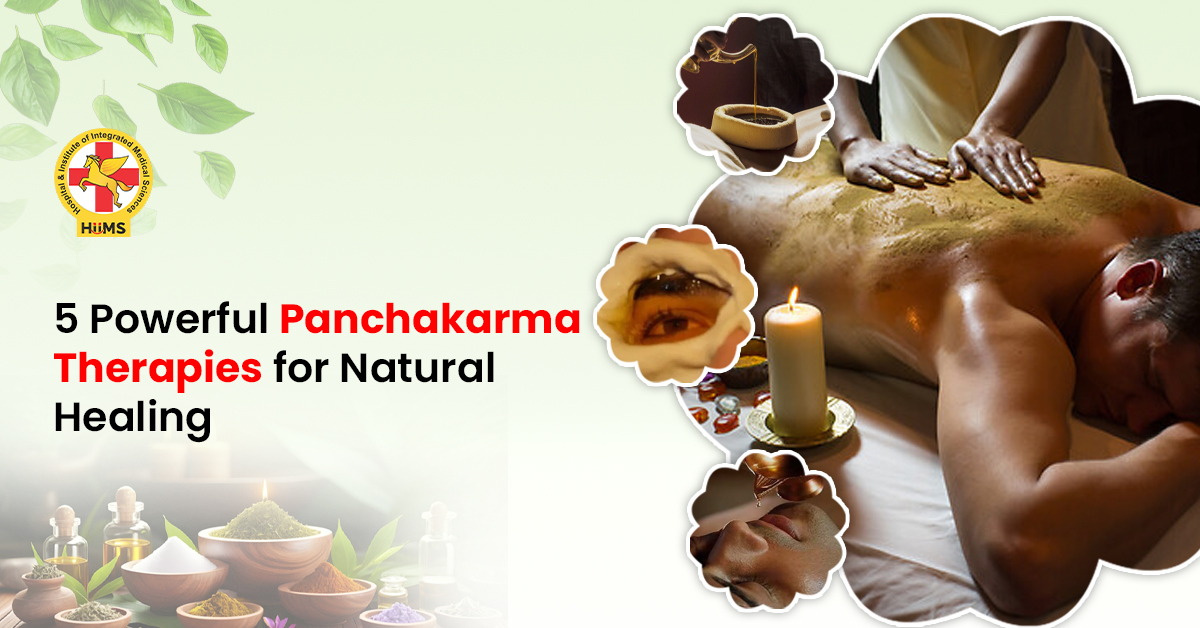
Ayurvedic practices focus on restoring balance and easing stiffness through warm oil therapies and herbal applications that relax muscles and support circulation. When integrated with movement and clinical oversight, these methods add value to a broader approach to back pain therapies, offering complementary tools for comfort and recovery.
Back Pain Management for Different Age Groups
Young Adults and Working Professionals
Posture correction, active breaks during work, and core exercises help prevent strain and reduce the need for advanced back pain treatment.
Middle-Aged Individuals
A combination of gentle therapy, guided movement, and mindful routines supports back pain management and helps preserve day-to-day mobility.
Elderly Individuals
Low-impact care that focuses on circulation and gentle massage helps maintain comfort and safe movement without adding strain.
Conclusion
Living with ongoing spinal discomfort does not need to become a permanent part of life; careful choices, steady routines, and timely professional advice help most people return to normal activities with confidence. Choosing safe and personalized back pain therapies helps the body move more comfortably, reduces ongoing discomfort, and supports long-term mobility when followed along with practical daily habits. If the pain continues or begins to disturb work, sleep, or walking, consulting a practitioner who understands your routine and plans care around it can help recovery move in a steadier and safer direction.
For a personalized treatment plan and help, call +91 82704-82704 or email care@jeenasikho.com to arrange an assessment and start a guided plan. We offer clear guidance and follow-up.

FAQs
1. What simple steps ease everyday back discomfort?
Gentle stretching, short walks, posture awareness, and specific therapy sessions commonly reduce daily stiffness.
2. How does massage fit into a recovery plan?
A structured massage session relaxes tight muscles and boosts circulation, making exercises and movement easier.
3. When should someone seek specialist care for back pain?
If pain grows worse, limits walking or sleep, or causes weakness or numbness, professional assessment can clarify the actual cause and next steps.
4. Can lifestyle changes prevent recurring back problems?
Consistent posture correction, regular movement, and safe lifting habits greatly reduce the chance of recurring back problems.
5. Are natural therapies safe for older adults?
When planned to match mobility and health status, gentle natural therapies and supervised exercises support comfort and balance.
