
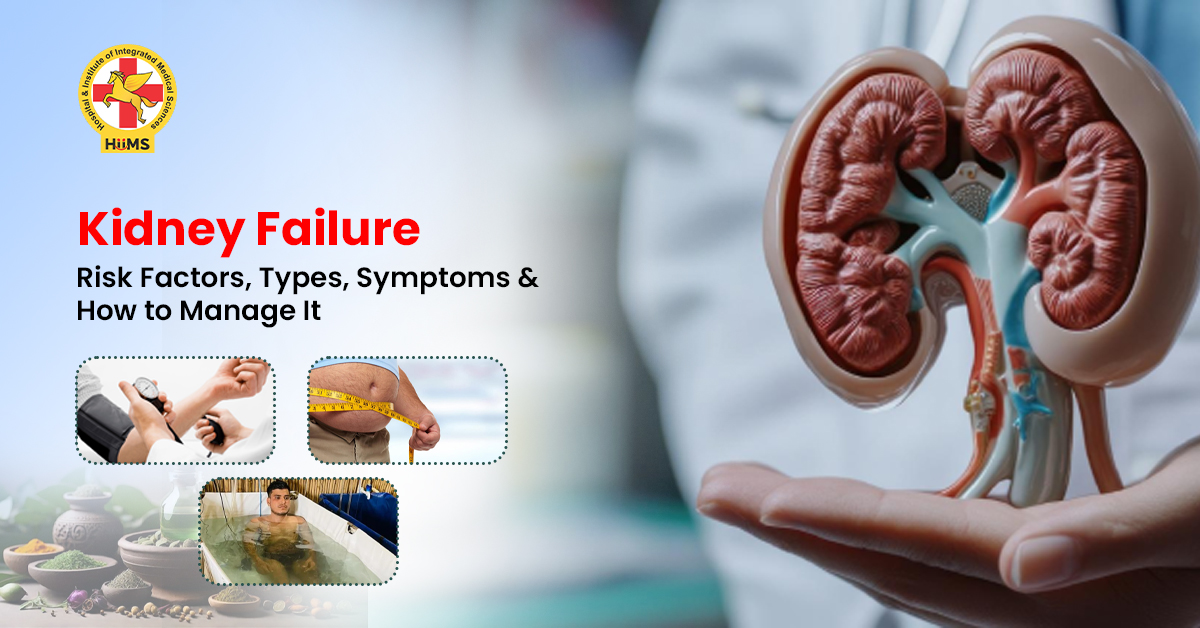
Most of us live packed days where meals, sleep and stress interchange places, and we hardly pause our own lives to check how internal systems respond. Kidneys carry much of the daily workload as they filter waste, balance fluids and minerals, and help steady blood pressure so we feel able to move through the day.
When they weaken over time, changes arrive slowly, like extra tiredness, swollen ankles or face, or shifts in urine colour and volume, and people often mistake these for tiredness or normal aging. Knowing what raises the risk of kidney failure, how to spot early signs, and what small changes reduce strain can make a real difference.
This blog clarifies the main causes, common kidney failure symptoms, and clear steps you can take with professional guidance to stabilise function. Read on for a straightforward, useful guide you can follow right away, and practical steps to act early.
What is kidney failure?
Kidneys filter waste and balance fluids so the body runs smoothly. When they cannot filter the waste properly, waste product builds up and the condition is called kidney failure. Some problems are for short-term and recoverable; other damage develops into chronic kidney disease that needs ongoing care. People commonly describe serious fluctuations in filtration simply as kidney failure when symptoms become obvious.
Types of Kidney Failure
- Acute problems arrive quickly, often after severe dehydration, infections, or medication reactions, and prompt treatment can allow recovery.
- Chronic kidney disease develops slowly over months or years and is staged by how much filtering remains; this chronic kidney disease progression is what doctors monitor closely.
- When filtering falls very low, people move to end-stage kidney failure care and need ongoing support.
Major Risk Factors That Can Lead to Kidney Failure
Diabetes and uncontrolled blood pressure are the top risks, with infections, stones and inherited conditions adding burden. Also, the everyday choices like overusing painkillers, smoking, low water intake and processed-food heavy diets add pressure over time, and long-term stress or poor sleep can make things even worse.
Early Kidney Failure Symptoms You Should Not Ignore
Look for changes in urination, swollen feet or face, persistent tiredness, poor appetite and breathlessness. These kidney failure symptoms are often unclear at first but become clearer if tracked over weeks; noting a steady pattern helps your doctor decide the next step sooner.
How Kidney Failure is Diagnosed
Doctors use history, blood tests (creatinine, eGFR), urine checks, scans, and tests to assess damage and confirm worrying kidney failure symptoms; regular screening helps people with diabetes or hypertension.
Kidney Failure Treatment and Management Options
Treatment aims to control causes, protect remaining function and ease symptoms with medical measures and kidney failure treatment. Standard kidney failure treatment helps but usually replaces filtration rather than fully restoring natural balance. When kidney function is very low, dialysis or transplant becomes an option and is lifesaving in many situations. But always try to save the kidneys with natural treatment without doing any surgery or chemicals because it impacts negatively in the long term.
Alongside care, reduce salt, follow a kidney-friendly diet, manage fluids and stay active. Under supervision, natural therapies can complement kidney failure treatment by improving circulation and minimizing fluid retention, aiming at root balance.
Holistic Kidney Care Approach at Jeena Sikho HIIMS
Jeena Sikho HIIMS combines clinical monitoring with supportive natural protocols and personalised plans. The GRAD concept highlights three practical pillars:
- Hot Water Immersion (HWI): warmth to ease circulation and promote mild detox with the help of the skin, the “third kidney.”
- Head Down Tilt (HDT): controlled posture at a certain angle to assist blood flow in the kidney region.
- DIP Diet: The Plate 1 and Plate 2 diet in which plate 1 consists of raw items at first, like seasonal fruits, vegetables and in plate 2, light home-cooked meals.
These therapies work with personalised plans to slow chronic kidney disease and ease daily life, while regular tests guide adjustments.
Conclusion
Awareness and timely care make a meaningful difference when dealing with kidney failure. When people understand early warning signs, manage risk factors, and follow disciplined routines, they often experience better health outcomes and improved comfort in daily life. Regular check-ups, balanced nutrition, and guided support create a strong foundation for long-term kidney wellness. Choosing a holistic path that focuses on root causes and overall balance can support recovery and stability over time.
If you or someone you know needs guidance regarding kidney failure, consult the experts at Jeena Sikho HIIMS for personalized care and support. Call +91 82704-82704 or write to care@jeenasikho.com to begin your journey towards better kidney health and a more balanced life.
FAQs
Q1: What are the common early signs to watch for?
Swelling, tiredness, altered urination and reduced appetite often appear as early kidney failure symptoms and deserve attention.
Q2: Can lifestyle changes help with chronic kidney disease?
Consistent diet, fluid control, exercise and stopping risky habits slow progression and support medical care for chronic kidney disease.
Q3: When is healthcare intervention needed?
Persistent swelling, repeated abnormal reports or rising creatinine values require timely specialist evaluation and natural or ayurvedic treatment.
Q4: How does diet fit into kidney failure treatment?
A customized and planned diet limits salt, controls potassium and phosphorus and eases kidney workload as part of broader kidney failure treatment.
Q5: Can traditional therapies help alongside modern care?
When supervised by qualified doctors, supportive natural therapies help the body function better by improving circulation and comfort.
