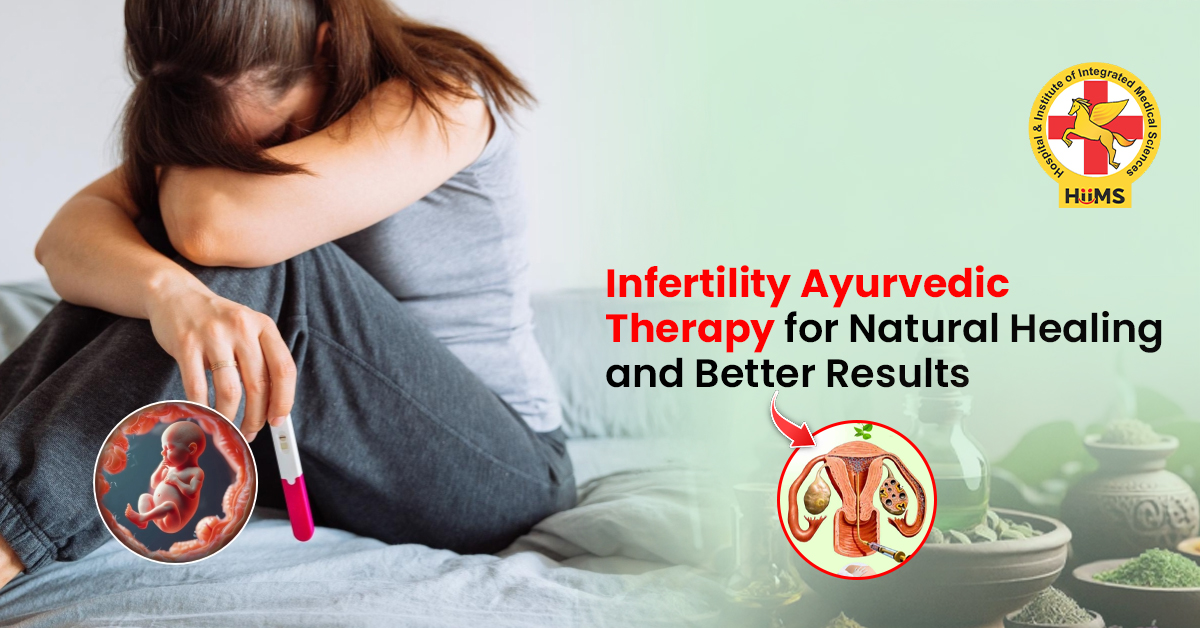

For many couples, the journey to pregnancy is not as simple as expected. Months turn into years, reports look normal, treatments get tried, but results still feel uncertain. That emotional pressure slowly builds up.
It is not just physical, it affects the mind, relationships, and overall confidence. Infertility today is more common than people openly talk about. While contemporary therapies emphasize speedy relief, there are many couples nowadays who opt for therapies which can bring about profound change.
This particular blog has been written with the objective of acquainting readers with the Infertility Ayurvedic Therapy procedure, its unique features, and the reason why it is gaining popularity over others.
Table of Contents
Understanding the Root Cause of Infertility
Infertility is not always about one major issue. In many cases, it is a mix of small imbalances in the body. It could be hormones, stress, lifestyle, or reproductive health not functioning at its best. Modern treatments often focus on procedures, but they may not always address the internal imbalance. This is where people start looking for a root cause approach.
Also, repeated treatments and medications can sometimes bring side effects of modern medicine, which adds more stress to the body.
What Couples Actually Go Through
This is something many people relate to but rarely talk about openly.
- Trying for months without results.
- Emotional stress after every failed attempt.
- Hormonal treatments feeling exhausting.
- Confusion when reports say everything is normal.
- Pressure from family or society.
This is not just a medical condition. It becomes an emotional journey.
How Ayurveda Looks at Infertility
In Ayurveda, infertility is known as Vandhyatva. It is not seen as a single problem. Instead, it is connected to balance in the body, especially Vata, Pitta, and Kapha doshas, along with reproductive tissue health. Infertility Ayurvedic Therapy focuses on:
- Balancing hormones naturally.
- Improving reproductive strength.
- Detoxifying the body.
- Preparing the body for conception.
Concepts like Garbh Shuddhi and Beej Shuddhi are important here. These focus on purifying the body and improving the quality of reproductive cells before conception.
This is why Ayurvedic treatment for infertility is often seen as a more complete and natural approach.
Ayurvedic Therapies That Support Fertility
Unlike most practices, Ayurveda takes its time to prepare the body for the treatment.
- Panchakarma
Detoxification treatment that cleanses the body of toxins - Basti
Balances the energy of Vata and helps in the reproductive system - Uttara Basti
Special therapy is applied in some specific cases - Virechana
Supports hormonal balance and cleanses Pitta - Vajikarana
Focused on improving fertility strength in both men and women
These therapies are often part of a structured Ayurvedic therapy for infertility plan. At places like Jeena Sikho HiiMS, these treatments are usually customized based on the individual condition instead of a fixed approach.
Herbs That Are Commonly Used
Certain herbs are widely used in fertility support:
- Shatavari supports female reproductive health.
- Ashwagandha helps reduce stress and improve male fertility.
- Gokshura supports hormonal balance.
- Lodhra is used in managing PCOS related issues.
- Kapikacchu helps improve sperm quality.
These herbs are often included in different forms as part of infertility Ayurvedic therapy benefits.
Natural Treatment for Long Term Results
Natural treatment focuses on preparing the body properly before conception. That is why it takes time but gives more stable results. It works on:
- Hormonal balance.
- Stress reduction.
- Better egg and sperm quality.
- Improving overall reproductive health.
This is what makes lifestyle based recovery more effective in the long run.
Daily Habits That Can Make a Difference
Small changes can have a big impact.
- Eating fresh and warm food.
- Reducing processed food.
- Managing stress through yoga or meditation.
- Following a regular sleep cycle.
- Staying consistent with routine.
These things may look simple, but they directly affect fertility.
When You Should Take Action
Do not keep waiting without clarity. You should consider taking help if:
- You have been trying for a long time without results.
- Period cycles are irregular.
- There is known PCOS or hormonal imbalance.
- Reports are normal but pregnancy is not happening.
- Stress is affecting your overall health.
Early guidance can make the journey smoother.
Conclusion
It may seem daunting at first, but infertility doesn’t have to be a problem without hope for a cure. In some cases, all your body requires is direction and time. Selecting infertility Ayurvedic therapy will give you the opportunity to invest in yourself, addressing the body’s need for healing, preparation, and balance.
At Jeena Sikho HiiMS, you will not only receive treatment but also gain knowledge and guidance on how to heal your body through natural means. If you find yourself at a crossroads, consider taking this natural route as a way to progress toward your goals.

FAQs
1. Is it true that Ayurveda can assist with infertility?
Ayurveda mainly concentrates on enhancing reproductive health, which helps in natural conception.
2. How much time does Ayurveda take for fertility treatments?
The time frame for fertility treatments varies with each case.
3. Is the treatment suitable for both males and females?
The treatment is often prescribed for both genders, yet proper guidance is essential.
4. Is there any dietary restriction in the treatment process?
There are certain food restrictions; however, the diet is quite easy to follow.
5. When should I visit a specialist?
When your efforts have failed despite attempting for some time or when you already know about the problem, it is advisable to get assistance.

Disclaimer: The information provided on this blog is for general educational and informational purposes only. It is not intended to replace professional medical advice, diagnosis, or treatment. Always consult a qualified healthcare professional before making any changes to your diet, lifestyle, or treatment plan. Individual results may vary.