
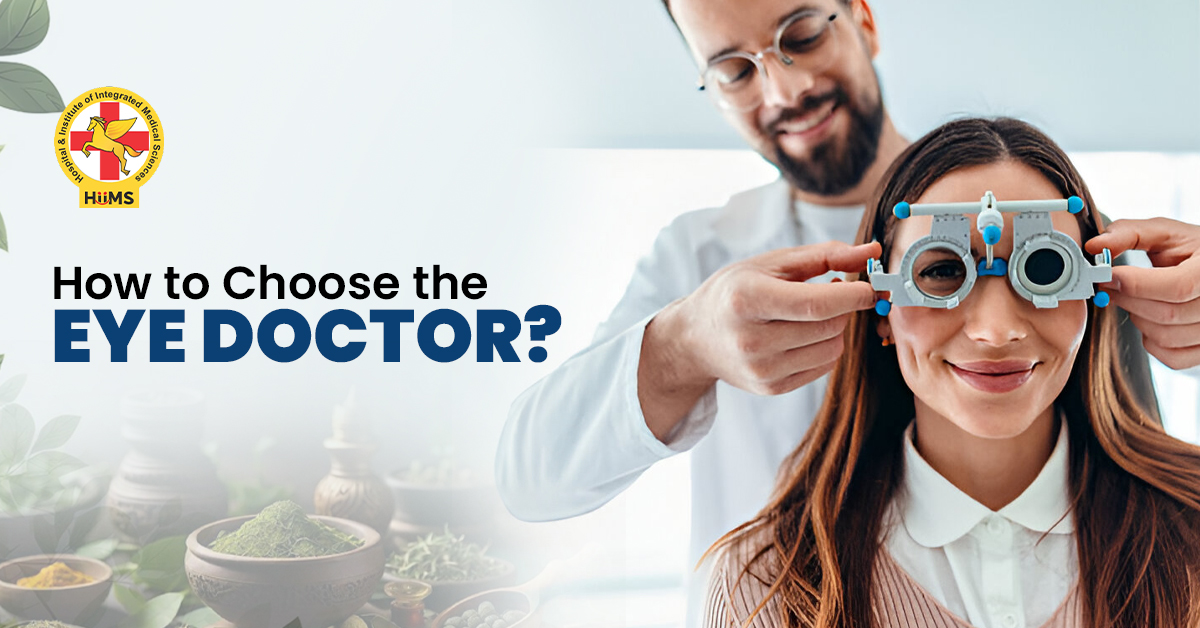

When you search for an eye doctor, things can feel confusing almost from the start. You see different types of specialists, multiple clinics, and hospitals that all claim to be the best. And honestly, when it comes to your eyes, you do not want to take random chances. Even a small issue can start affecting your daily routine, whether it is reading, driving, or just looking at your phone.
Most people do not plan to visit an eye care specialist. It usually starts with something small. Your eyes feel tired after long screen hours, or you notice a slight blur that was not there before. You ignore it for a while, thinking it will settle on its own.
But slowly, it becomes uncomfortable enough that you cannot overlook it anymore. That is when you start thinking about an eye doctor consultation.
This guide is meant for that exact moment. The purpose is simple: to help you understand how to choose the right eye specialist doctor, what actually happens during a consultation, and how to decide which best eye hospital is right for you. And finally, it does not matter who the person is or how famous; what matters here is that the decision should be made with clarity, confidence, and the right direction.
Table of Contents
What Is an Eye Doctor
An eye doctor is not just one type of professional, and this is where many people get confused. There are mainly three types:
An optometrist checks vision and prescribes glasses or lenses.
An ophthalmologist diagnoses and treats eye diseases and performs surgeries.
An optician helps with selecting and fitting glasses.
You should choose the eye specialist doctor based on your problem. If you only need vision correction, an optometrist is enough. But if you face pain, infection, or conditions like cataracts or glaucoma, you should go to an ophthalmologist.
When You Should See a Specialist and Signs You Should Not Ignore
People usually start looking for the best eye doctor when small issues begin to interfere with daily life. Long screen time puts strain on your eyes. Age-related changes slowly affect your vision. Poor sleep and stress also make your eyes feel uncomfortable. In some cases, conditions like diabetes or blood pressure directly impact eye health.
You may also experience dryness, allergies, or minor infections and ignore them. At first, these issues feel manageable. You might notice slight blur or mild headaches and assume they will pass. But they rarely do.
Your eyes give clear signals when something is wrong. You need to be careful about indicators such as blurred vision, frequent headaches associated with reading or using electronic gadgets, burning sensation or dryness, night blindness, as well as persistent redness and watery eyes.
Failure to act immediately after observing these symptoms means you risk experiencing greater problems in the future.
What Happens During an Eye Doctor Consultation
It might be difficult for you to go for an eye care expert, but it is actually a very easy process. During the consultation at the eye doctor’s office, the eye doctor will:
Test your vision through charts.
Test eye pressure.
Test your eyes using simple equipment.
Ask questions regarding your symptoms and activities.
The doctor may recommend more tests if required. You must provide clear information regarding your symptoms so that the eye doctor knows how to help you.
Treatment: What Actually Helps in the Long Run
The type of treatment may depend on the disease, but what is clear is that a fast cure may not always do.
At such centers as Jeena Sikho HiiMS Hospitals, emphasis is placed on why the problem occurs as well.
Food Plan
Eating has more influence on the eyes than one might think. Bad eating patterns gradually affect eye health.
A food plan is made up of foods with lots of vitamins, hydration, and good eating patterns, which are easy to adopt on a daily basis.
Lifestyle Correction
Irregular sleep, too much screen time, and stress play a big role. Small changes like proper sleep timing, reducing screen exposure, and eye relaxation techniques can make a noticeable difference.
The Ayurvedic Method
Unlike in other treatment methods, in the Ayurvedic method, emphasis is placed on balancing the body first, rather than immediately resorting to medicines. This improves internal body functions, which are eventually reflected in the eye’s functioning.
Detoxification
There are times when a person requires a reset of the body. Detoxification is applied to cleanse the body of harmful toxins.

Root Cause Focus
This is probably the most important part. Instead of just treating symptoms like dryness or blur, the goal is to find out what is actually causing it. It could be lifestyle, diet, or an underlying condition.
This kind of step-by-step approach is what helps in long-term improvement rather than temporary relief.
Why Many People Prefer Doctors at Jeena Sikho HiiMS Hospital
When you try to find the best eye doctor, you do not just look at qualifications or hospital size. One looks for a person who will listen and give an explanation. Most people can experience this difference at Jeena Sikho HiiMS Hospital.
The doctors at the hospital consider all aspects of your health status, and not just your reports. They inquire about your lifestyle, diet, sleep, and stress level. This enables them to get the whole picture and not just concentrate on one symptom.
Another factor that people can notice is that there is no rush. Doctors explain your condition in simple language and guide you step by step. The focus stays on long-term improvement through diet, lifestyle, and supportive Ayurvedic methods instead of temporary fixes.
Because of this, many patients feel more confident. It feels less like a quick visit and more like a proper effort to understand and solve the issue.
When to See a Doctor

You should not wait for serious symptoms before visiting an eye doctor. You should book a consultation if:
Symptoms last for more than a few days.
Your vision changes suddenly.
You feel discomfort regularly.
You have conditions like diabetes.
You should also get your eyes checked once a year to maintain good eye health.
Conclusion
You can choose the right eye specialist doctor if you stay aware and act on time. Do not ignore small signs because they often lead to bigger problems. Focus on long-term care instead of temporary relief. If you want a more structured and natural approach, you can consult Jeena Sikho HiiMS Hospital.
FAQs
Q1) How do I choose the right eye doctor?
Your problem determines the kind of eye doctor you need. An optometrist handles general vision-related problems, while an ophthalmologist deals with medical eye issues.
Q2) How frequently should I be examining my eyes?
Annual visits should suffice, barring any existing eye problems.
Q3) Is computer screen usage damaging to your eyes?
Since it causes eye strain and results in irritation or headaches.
Q4) Are there natural remedies for eye diseases?
Depending on the nature of the disease, changes in your diet and living habits could help resolve it.
Q5) What do I expect during the first consultation?
Eye tests, questioning, and advice based on the problem you have.
Disclaimer: The information provided on this blog is for general educational and informational purposes only. It is not intended to replace professional medical advice, diagnosis, or treatment. Always consult a qualified healthcare professional before making any changes to your diet, lifestyle, or treatment plan. Individual results may vary.




1 comment