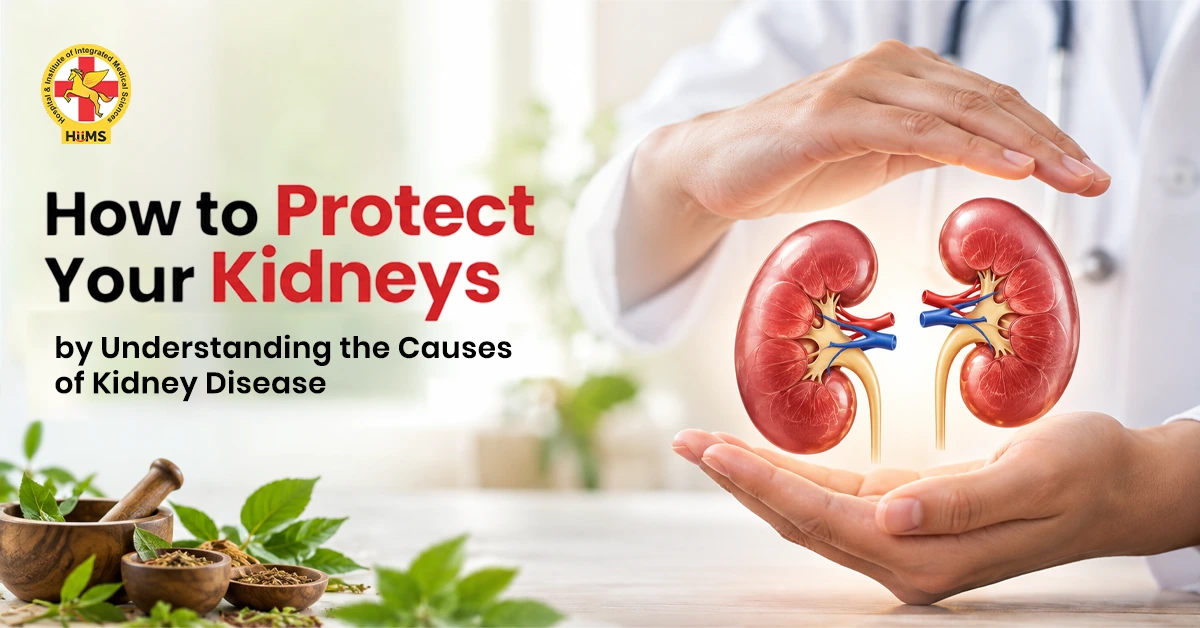

Your kidneys work quietly behind the scenes every single day; they filter waste, remove excess water, and clean your blood every few minutes. They also regulate your blood pressure and help produce red blood cells. Because kidneys are so efficient, you can lose up to 90% of your renal function without feeling sick.
This silent progression is why renal issues often go unnoticed until serious damage occurs. However, you can protect your organs before it is too late. By understanding the root triggers and adopting simple daily habits, you can stop kidney damage early. Learning how your body works helps you manage kidney disease before it affects your quality of life.
Table of Contents
Primary Causes of Kidney Disease
To protect your kidneys, you first need to know what damages them. Most kidney problems develop slowly over several years due to long-term health issues.
High Blood Sugar (Diabetes)
Diabetes is the leading cause of renal damage worldwide. When glucose levels stay high for a long time, it harms the millions of tiny blood vessels inside the kidneys that filter waste. Over time these scarred filters can no longer clean your blood properly.
According to a study on NIDDK Chronic Kidney Disease Causes, “High blood sugar damages the blood vessels in your kidneys so they can’t work as well as they should.”
High Blood Pressure (Hypertension)
Uncontrolled high blood pressure is the second most common driver of renal damage. When pressure inside your blood vessels stays high, it hardens and narrows the arteries leading to your kidneys. This weakens the organs and reduces their ability to filter blood.
Kidney Inflammation
This condition involves chronic inflammation of the kidney filters. It can happen due to immune system misfires, infections, or autoimmune conditions.
Genetic Conditions
Polycystic Kidney Disease (PKD) is a common genetic disorder. It causes fluid-filled cysts to grow inside the kidneys. As these cysts multiply and expand, they crowd out healthy tissue and lower overall function.
Identifying these primary causes of kidney disease early gives you a chance to make lifestyle changes and protect your health.
Identifying Key Risk Factors for Kidney Disease
Anyone can develop renal issues, but certain factors raise your risk significantly. Knowing these triggers allows you to take action early.
- Unmanaged Diabetes and Hypertension: Having unmanaged blood sugar or high blood pressure places heavy stress on your kidneys every day.
- Overuse of Painkillers: Taking chemical pain relievers and nonsteroidal anti-inflammatory drugs (NSAIDs) like ibuprofen regularly can harm kidney blood vessels. Clinical research published by the National Institutes of Health (NIH) shows that regular use of high-dose NSAIDs reduces renal blood flow and can precipitate acute and chronic interstitial nephritis
- Obesity and High Cholesterol: Carrying excess weight makes the kidneys work harder to filter blood for a larger body mass.
- Family History & Age: Having a family member with renal failure or being over 60 increases your risk.
- Poor Habits: Smoking, drinking alcohol, eating processed foods, and not drinking enough water force your kidneys to work much harder.
Recognize any of these risk factors for kidney disease in yourself or a loved one? Schedule a consultation with our experts today to catch and stop damage before it starts.

Natural Ways to Protect Kidneys
Preventing kidney damage relies on clean daily nutrition, proper hydration, and stress reduction.
Healthy Dietary Changes
Avoid processed foods loaded with hidden sodium and preservatives. Too much salt raises blood pressure and forces the kidneys to work extra hard. Eat a clean, plant-based diet rich in fresh vegetables, fruits, and whole grains. Also avoid eating excessive amounts of animal protein, which produces heavy nitrogen waste that stresses your filters.
Proper Daily Hydration
Drink enough clean water throughout the day to help your kidneys clear sodium, urea and toxin from your blood. Do not overhydrate but maintain steady water intake based on your climate and physical activity.
Monitor Blood Sugar and Pressure
Track your blood pressure and sugar levels at home regularly. Keeping these two numbers in a healthy range protects your blood vessels from silent damage.
Studies in the Journal of Renal Nutrition show that plant-dominant low-protein diets reduce intraglomerular pressure and slow the progression of chronic kidney damage. Adopting these simple steps provides reliable natural ways to protect kidneys without placing extra strain on your body.
Want to protect your kidneys naturally? Speak with our experts today to explore personalized Ayurvedic care.
Natural Ayurvedic Kidney Disease Treatment
Ayurveda offers a proven, research-backed path to managing renal conditions naturally. A study on Ayurvedic treatment in patients with chronic renal failure reported a statistically significant reduction in serum creatinine following Ayurvedic intervention. These clinical findings show how natural therapies help improve filtration and reduce toxic waste buildup in the body.
For those looking for holistic recovery protocols, the Jeena Sikho HiMS framework provides structured Ayurvedic care to support renal health.
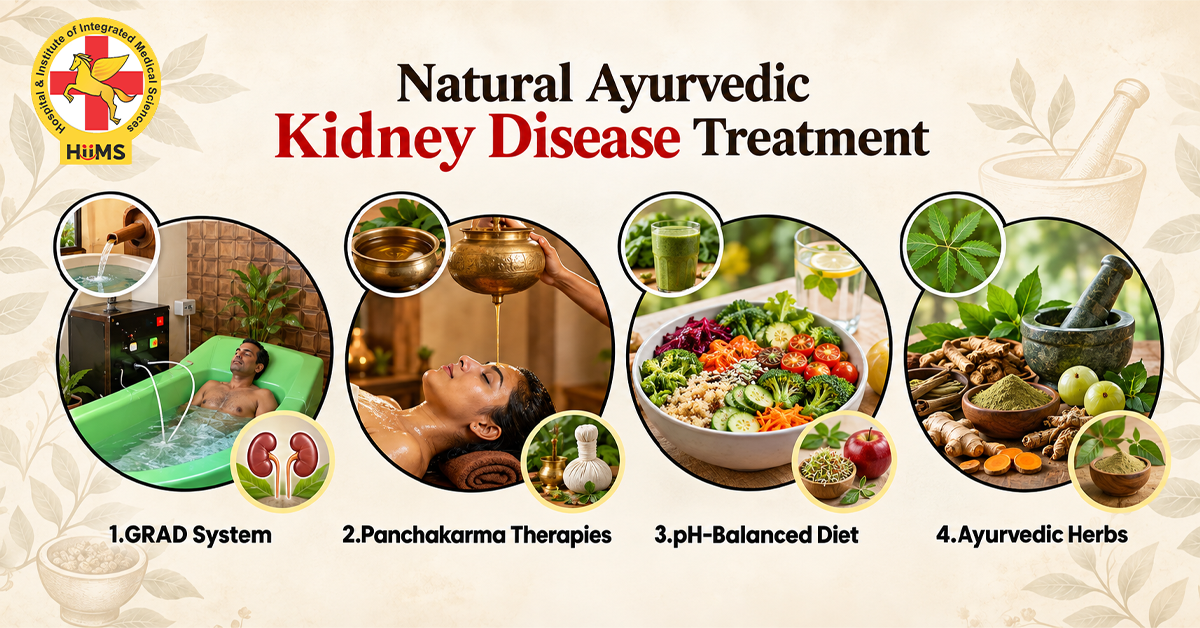
The GRAD System
The GRAD system uses natural physics to aid recovery.
- Head-Down Tilt (HDT): Lying on a specific 10-degree incline directs blood flow toward the kidneys to encourage tissue repair.
- Hot Water Immersion (HWI): Sitting in warm water (40° to 42° C) up to neck level creates hydrostatic pressure. This pressure helps push trapped fluids out of tissues, lowers blood pressure, and boosts kidney blood flow
Observational research shows that postural and hydrotherapy protocols like hot water immersion increase renal plasma flow and cardiac output, helping reduce serum creatinine and blood urea levels in CKD patients naturally.
Panchakarma Therapies
Customized detox procedures like Basti (herbal enemas) and Virechana help remove accumulated metabolic waste from deep tissues without putting strain on damaged nephrons.
pH-Balanced Diet
Transitioning to an alkaline, plant-rich diet balances internal pH levels. This relieves metabolic acids, avoids toxic buildup, and gives your kidneys the ideal environment to heal. Combining these therapies forms a holistic kidney disease treatment plan.
Ayurvedic Herbs
Ayurvedic herbs like Punarnava, Varun, and Gokshura are used. These herbs are known to help reduce internal swelling, support urinary flow, and promote organ vitality.
Clinical Care, Testing & Seeking the Best Kidney Doctor
Natural care works best alongside clear lab testing and medical guidance. To monitor your kidney health, get these two simple lab tests done annually
1. eGFR (Estimated Glomerular Filtration Rate): Shows how effectively your kidneys filter waste from your blood
2. Urine Albumin-to-Creatinine Ratio (ACR): Checks if protein is leaking into your urine, which is an early sign of kidney strain
If your eGFR drops below 60 or your lab reports show protein leakage, you should consult the best kidney doctor at Jeena Sikho HiiMS. An experienced specialist can evaluate your overall health and build a safe treatment plan personalized to your needs.

Conclusion
Your kidneys work continuously to keep your body healthy and balanced. Because kidney damage often develops without clear early warning signs, prevention is your best defense.
By understanding what damages your kidneys, eating clean food, and following prevention habits, you can protect your renal function naturally. Book a VOPD (video consultation) with Jeena Sikho HiiMS today to connect with an expert today and get a personalized care plan to protect your renal health.

FAQs
1. What are the primary warning signs that indicate early kidney disease?
Early-stage kidney disease often causes mild signs like constant fatigue, swollen feet or ankles, changes in urine frequency, foamy urine, and muscle cramps caused by fluid imbalances.
2. What are the most common causes of kidney disease in adults?
The main causes of kidney disease are unmanaged diabetes and high blood pressure. Together these two conditions cause almost two-thirds of all chronic kidney failure cases.
3. How to prevent kidney disease through daily habits?
It involves keeping your blood pressure under control, managing sugar levels, eating a low-salt plant diet, avoiding unnecessary painkillers, and drinking enough water every day.
4. When should I consult the kidney doctor for medical evaluation?
You should book an appointment with the doctor if your eGFR test result is under 60, if protein shows up in your urine tests, or if you have long-term diabetes or high blood pressure.
5. Can high creatinine levels be reduced naturally without chemical drugs?
Yes. Plant-based diets, proper hydration, herbal support, and postural hydrotherapy protocols can lower serum creatinine levels and reduce toxic waste buildup in the blood naturally.
Ayurvedic Kidney Care Products
100% natural, certified Ayurvedic formulations crafted for targeted kidney wellness.



Disclaimer: The information provided on this blog is for general educational and informational purposes only. It is not intended to replace professional medical advice, diagnosis, or treatment. Always consult a qualified healthcare professional before making any changes to your diet, lifestyle, or treatment plan. Individual results may vary.