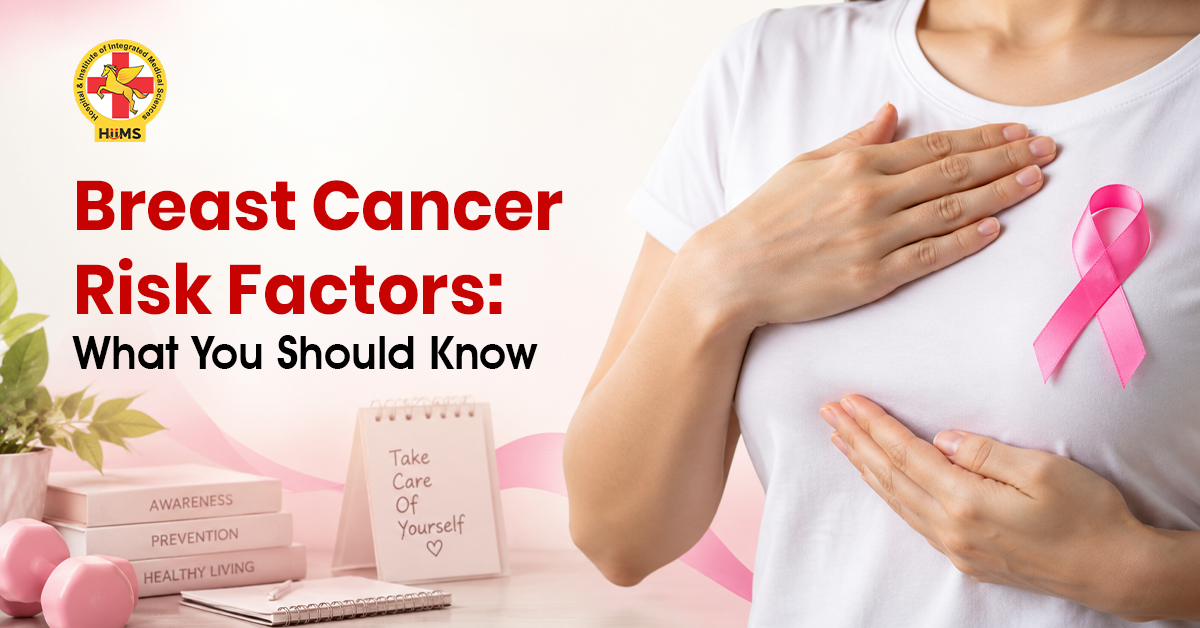

Breast cancer occurs when abnormal cells inside the breast tissue grow in an uncontrolled way. These extra cells form tissue masses or lumps that can damage healthy surrounding organ systems over time. While modern medical science continues to study the exact causes of breast cancer research published in Pharmaceutical Research shows that a mix of biological, environmental and daily habit choices influences cell health.
Understanding the underlying breast cancer causes helps women stay proactive about their personal health. When you know what affects your body you can take timely steps toward regular health checks and clean living. Learning about major breast cancer risk factors early empowers you to take charge of your wellness with confidence.
Below is a breakdown of the key factors that influence your risk and what steps you can take today.
Table of Contents
Breast Cancer Risk Factors You Cannot Change
Certain elements that influence your health are built into your biology. You cannot alter these fixed traits, but knowing them helps you plan better medical care.
Age and Gender
Being female and getting older are the two largest natural drivers of cell changes. Medical data tracks a noticeable increase in breast cancer risk by age with most cases occurring in women over 50.
Dense Breast Tissue
Women with dense breasts have more glandular and connective tissue than fatty tissue. This structure makes hidden tissue changes harder to spot on standard mammograms.
Inherited Genes
Mutations in specific genes such as BRCA1 and BRCA2, can pass down through families. Carrying these altered genes elevates the overall genetic risk of breast cancer.
Family History
Having close relatives like a mother, sister or daughter who experienced tissue illness raise your personal breast cancer risk.
Natural Hormonal Milestones
Experiencing your first period before age 12 or starting menopause after age 55 means your body experiences longer lifetime exposure to estrogen. These long-term estrogen cycles act as key hormonal risk factors for breast cancer.
Having a strong family history of breast cancer or other fixed risk factors for breast cancer does not mean a diagnosis is certain. However, it signals that you should prioritise regular health checks.
While you cannot alter your age or genetic makeup, understanding these fixed factors empowers you to focus on the everyday choices that are entirely within your control.
Breast Cancer Risk Factors You Can Change
While you cannot change your genetics your daily choices play a major role in protecting your tissue health and keeping inflammation low.
Diet and Body Weight: Carrying extra body weight after menopause increases circulating estrogen levels, which can irritate breast tissues over time.
Physical Inactivity: A sitting-heavy lifestyle slows down blood flow, weakens immune cells, and increases body inflammation. According to clinical research on physical activity and tissue health staying active regularly lowers circulating hormone levels and strengthens cell immunity.
Alcohol and Smoking: Drinking alcohol regularly damages cell DNA and impairs the liver’s ability to clear extra estrogen. Smoking exposes body tissues to harmful toxins that weaken cell defence.
Poor Diet Choices: Relying on packaged, fried or heavily processed foods deprives your cells of protective antioxidants.
Taking control of these daily lifestyle risk factors for breast cancer acts as your first active line of physical defence. Evaluating your personal breast cancer risk factors helps you replace harmful habits with clean and healthy daily choices.
In addition to taking charge of your daily lifestyle staying vigilant about subtle body changes and keeping up with regular medical checks completes your protection strategy.
If you are experiencing unusual breast changes, persistent discomfort, or have concerns about your breast cancer risk factors, you can consult HiiMS expert doctors for personalised guidance. Book an appointment with HiiMS expert doctors today for professional guidance and support.

Early Signs, Symptoms, and Screening Methods
Noticing physical changes in your body quickly leads to earlier care and much better outcomes.
- Recognising Physical Changes: Common early signs of breast cancer include a painless lump in the breast or armpit, dimpling of the skin, nipple inversion or unusual nipple discharge
- Monitoring Body Symptoms: Performing monthly gentle self-exams helps you stay familiar with your normal tissue texture. This makes it easier to spot new breast cancer symptoms as soon as they appear
- Regular Medical Examinations: Routine clinical breast exams and imaging tests such as breast cancer screening mammograms, help doctors detect tiny tissue shifts long before you can feel them
Staying aware of subtle changes ensures that any suspicious breast cancer risk factors are caught and evaluated early by a health professional.
While regular screening and early detection are critical adopting holistic daily habits adds a powerful extra layer of natural protection for your overall health.
Breast Cancer Treatment At Jeena Sikho HiiMS
Jeena Sikho HiiMS is an Ayurvedic hospital established by Acharya Manish ji. It provides natural, holistic care for breast cancer recovery. The hospital uses specialised Golden Therapy and cancer detox juice to flush out harmful toxins and protect healthy cells. In addition expert doctors combine Panchkarma therapies with powerful herbs to purify body tissues and strengthen natural immunity. Patients also follow a personalised pH-balanced diet to reduce body acidity and help promote healthy internal environment. This natural approach supports gentle healing, improves energy levels and enhances overall quality of life.
Want to explore holistic treatment options? Reach out to Jeena Sikho Experts for holistic guidance.
Proactive Daily Steps for Prevention
Building strong daily habits help nourish your cells, support your lymphatic system and lower internal stress.
- Eat Alkaline Foods – Base your daily meals on fresh green vegetables, seasonal fruits, raw sprouts, and high-fibre whole grains for natural breast cancer prevention
- Stay Physically Active – 30 minutes of moderate exercise a day like brisk walking or yoga, helps blood flow and supports natural lymphatic drainage
- Maintain a Healthy Body Weight – Keeping a balanced weight especially after menopause, helps keep circulating estrogen levels in a healthy range
- Prioritise Restful Sleep – Getting 7 to 8 hours of deep sleep gives your immune system time to perform vital cellular repair overnight
- Manage Stress – Slow breathing exercises (Pranayama) or quiet meditation for 10 to 15 minutes will calm your nervous system and reduce stress hormones
- Eliminate Alcohol and Tobacco – Avoiding alcohol and smoking protects cellular DNA from harmful toxins and reduces the daily workload on your liver
- Reduce Environmental Toxin Exposure – Limit the use of plastic containers for hot food and choose natural, gentle personal care items to lower your exposure to synthetic chemicals
Adopting these healthy habits helps build a strong foundation for overall health. At the same time, it is important to get regular conventional care and standard clinical screenings which remain the essential primary defence for your health.
For individuals looking to enhance their well-being alongside standard medical routines Jeena Sikho HiiMS provides gentle, supportive care. Through personalised Ayurvedic dietary guidance, natural wellness routines, herbal support and holistic care plans, supportive therapy focuses on nourishing the body, easing daily stress, and improving your overall quality of life.
Conclusion
High awareness and consistent daily care are your best tools for long term health. While you cannot change your age or family history, adopting clean habits, eating nutritious foods, and getting regular health checks put you in control. Understanding your personal breast cancer risk factors gives you the knowledge to make smart, protective decisions every day.
If you need guided support for dietary planning or natural health maintenance, you can book a VOPD online consultation with Jeena Sikho HiiMS to receive personalised doctor advice right from your home.

FAQs
1. What are the main risk factors for breast cancer that I cannot change?
The main fixed factors include getting older, dense breast tissue, inherited gene mutations, family history and early menstruation or late menopause.
2. Can changing my lifestyle habits lower my overall risk of breast cancer?
Yes, maintaining a healthy weight, eating fresh whole foods, exercising daily and avoiding alcohol significantly lower your overall risk.
3. Does having a family history mean I am guaranteed to get breast cancer?
No, having a family history increases your risk but many women with a family history never develop the condition.
4. How often should women perform a self-examination at home?
Women should perform a gentle breast self-exam once a month to stay familiar with their normal tissue and spot changes early.
5. How does Jeena Sikho HiiMS support preventative health naturally?
Jeena Sikho HiiMS provides personalised Ayurvedic diet plans, natural detox therapies, specialised therapies and herbal support to help balance body tissues and lower inflammation.
Ayurvedic Cancer Care Products
100% natural, certified Ayurvedic formulations crafted for targeted cancer wellness.


Disclaimer: The information provided on this blog is for general educational and informational purposes only. It is not intended to replace professional medical advice, diagnosis, or treatment. Always consult a qualified healthcare professional before making any changes to your diet, lifestyle, or treatment plan. Individual results may vary.