
Your heart works nonstop, every single day, without asking for a break. But most of us only start paying attention to heart health after a scary report or a family member’s diagnosis. Truth is, small daily habits matter far more than people realise when it comes to keeping your heart strong.
This blog is a simple, practical guide, no jargon, no scare tactics, just real habits around diet, movement, and lifestyle that actually support your heart over time.
Table of Contents
Why Does Heart Health Deserve More Attention?
Most people assume heart problems only happen to older adults or those with a family history. That’s not really true anymore. Long working hours, skipped meals, poor sleep, and constant stress are quietly putting pressure on hearts at a much younger age than before.
Heart disease doesn’t usually show up overnight. It builds up slowly, through years of small habits that get ignored for too long. That’s exactly why paying attention early makes such a big difference.
Heart Health Tips You Can Start With Today
You don’t need to overhaul your entire life overnight. Some of the simplest heart health diet tips are also the most effective, and honestly, most people already know them; they just haven’t turned them into a habit yet.
- Quit smoking. It directly affects your blood pressure and oxygen levels
- Check your blood pressure and cholesterol regularly, not just when something feels off
- Move a little more throughout the day, take the stairs, walk short distances instead of driving
- Keep alcohol to a minimum, or cut it out where you can
- Get seven to nine hours of sleep, most adults need this much
- Manage stress in small ways, deep breathing, a short walk, whatever works for you
None of these needs a complete lifestyle overhaul. Just showing up for them consistently is what makes the difference.
What Foods Actually Support Heart Wellness?
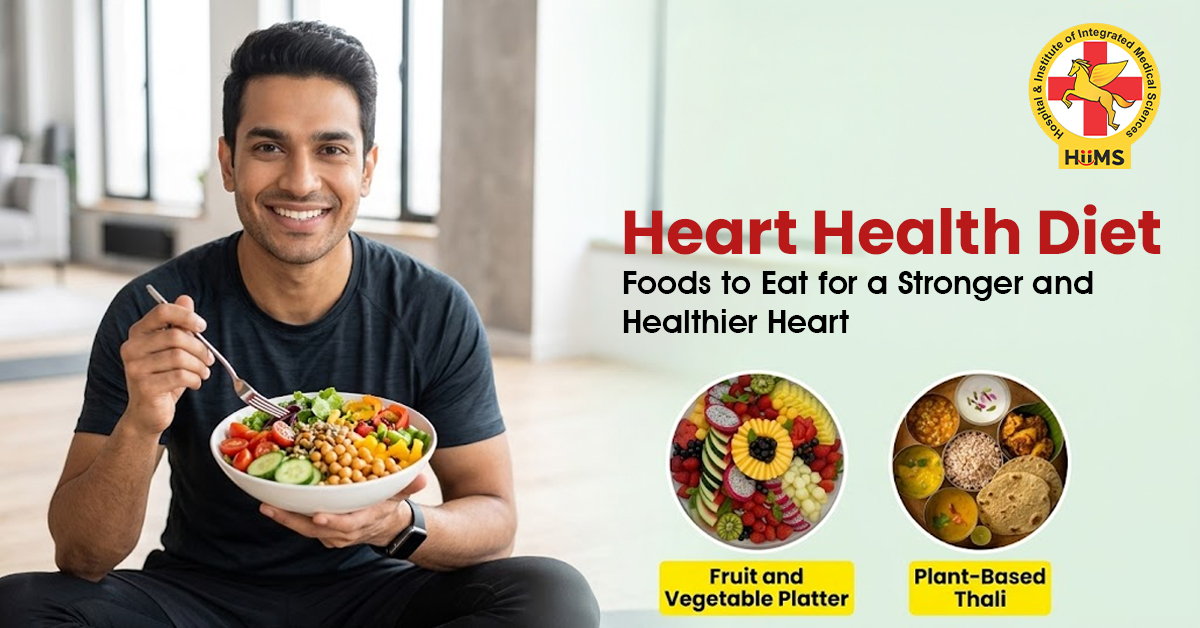
Food plays a bigger role in heart wellness than most people give it credit for. A few things worth keeping in mind:
- More fruits, vegetables and whole grains and less processed food
- Healthy fats such as olive oil, nuts and avocado, instead of fried and packaged snacks
- Cutting down salt and sugar puts extra strain on your heart over time
- Replace red meat with fish or plant-based proteins a couple of times a week
You don’t have to give up all the things you enjoy. It’s more about shifting what you reach for most often.
Exercise and Its Role in Heart Disease Prevention
Movement is one of the strongest tools for heart disease prevention, and you don’t need an intense gym routine to get the benefits. About 150 minutes of moderate activity a week, spread across the days, is generally enough to strengthen the heart muscle and improve circulation.
That could be brisk walking, cycling, swimming, or even gardening and housework on days you can’t fit in a proper workout. Consistency beats intensity here. Doing a little regularly works better than pushing hard once in a while and then skipping the next two weeks.
Building a Healthy Lifestyle for Heart
A healthy lifestyle for heart goes beyond diet and exercise. It comes down to how your whole day is structured. Sleep, stress, and alcohol all play a part in how your heart functions over time. And if you’re already managing diabetes or high blood pressure, staying on top of that is just as important as anything else on this list; ignoring it doesn’t make it go away.
Can Ayurveda Actually Help With Heart Health?
It’s a question many people ask once they start looking beyond just medication. In Ayurveda, the heart or “Hridaya” is not viewed as an isolated organ working on its own, but is connected to the overall balance of the body. If digestion slows down, toxins will build up, which can affect blood flow and put additional long-term pressure on the heart.
This is why Ayurvedic strategies for heart health tend to work by improving digestion, reducing stress, and naturally supporting circulation, in addition to any medical treatments you’re already getting.
How Jeena Sikho HiiMS Supports Heart Wellness
Jeena Sikho HiiMS has a slightly different approach to heart wellness:
- Panchakarma therapy to support the body’s natural detoxification
- Hridaya Basti – application of warm herbal oil around the chest to relieve tension and promote circulation
- Hot Water Immersion Therapy to relax and improve blood circulation
- A personalised pH-balanced diet plan for your condition and eating habits
- Regular checkups to monitor progress of heart health
Every plan is built around your daily routine and existing condition, not a one-size-fits-all protocol. The goal isn’t to replace your existing treatment; it’s to support it with natural, time-tested methods alongside proper monitoring.
Conclusion
Your heart doesn’t need a dramatic overnight change. It needs small, consistent habits you can actually stick to. Eating a little better, moving a bit more, managing stress, and keeping track of your numbers go a long way in supporting your heart health over the years.

If you’d like a more personalised understanding of your heart health, or want to explore how Ayurveda can fit alongside your existing routine, you can book a (VOPD) Video consultation with Jeena Sikho HiiMS and talk it through with their team.
FAQs
How much exercise do I actually need for good heart health?
As a rule, 150 minutes a week of moderate activity such as brisk walking or cycling is enough.
Is there really an increased risk of heart disease from stress?
Stress that lasts for a long time can raise your blood pressure and lead to behaviours like unhealthy eating or smoking.
What foods should I cut back on to improve my heart health?
Salt, sugar, saturated fats and processed foods, cut these back and you’ll make the biggest difference.
Can Ayurveda be used along with regular heart treatment?
Yes, many people go for therapies such as Panchakarma and dietary counselling in conjunction with their current medical treatment.
At what age should I start looking after my heart?
Don’t wait for symptoms. Get started early, even in your 20s and 30s.
Ayurvedic Heart Care Products
100% natural, certified Ayurvedic formulations crafted for targeted heart wellness.



Disclaimer: The information provided on this blog is for general educational and informational purposes only. It is not intended to replace professional medical advice, diagnosis, or treatment. Always consult a qualified healthcare professional before making any changes to your diet, lifestyle, or treatment plan. Individual results may vary.