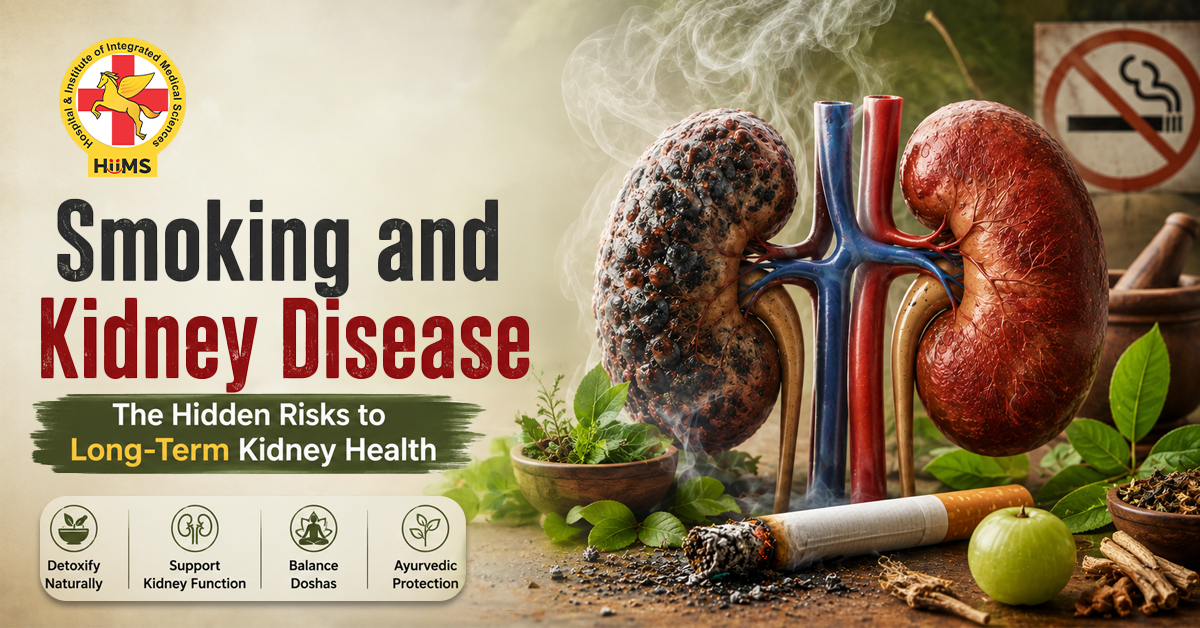

Most people know smoking hurts the lungs. Fewer realise it’s quietly working on the kidneys too, sometimes years before anything shows up on a report. Research keeps confirming it: smokers develop kidney disease at noticeably higher rates than non-smokers, even without diabetes or high blood pressure sitting in the background.
And if you already have kidney trouble, smoking speeds things up. Let’s actually get into how this connection works and what quitting genuinely changes.
Table of Contents
How Exactly Does Smoking Damage Your Kidneys?
Every cigarette does something immediate to your blood vessels: it tightens them, raises blood pressure, and cuts blood flow to organs that need steady blood flow. Kidneys filter roughly 20% of your body’s blood, so they take a direct hit here. Filtration rate drops by around 15% acutely with each cigarette.
Do that daily for years, and the damage stops being occasional; it becomes chronic. Reduced blood flow allows toxins to build up faster than the kidneys can clear them, and that buildup itself causes further damage over time.
Kidney Disease Risk Factors: Where Smoking Actually Fits In
Smoking rarely works alone. It’s one of several kidney disease risk factors, but it makes the others worse too. Current smokers carry roughly 1.6 times higher risk of developing CKD compared to non-smokers. Push past 30 pack-years of smoking, and that risk climbs past double.
Former smokers, interestingly, don’t show the same elevated risk, which says something important: quitting genuinely changes your trajectory here; it’s not too late once you’ve started.
Smoking, Diabetes, and Blood Pressure: A Dangerous Combination Behind Kidney Disease Causes
Among the various kidney disease causes, this combination deserves special attention.
- Smokers face a 30-40% higher risk of developing type 2 diabetes than non-smokers, and diabetes already sits as one of the biggest drivers of CKD on its own.
- Add tobacco’s direct effect on raising blood pressure, the second most common cause of kidney disease, and you’ve got two major risk factors reinforcing each other.
- Smoking even interferes with how well diabetes and blood pressure medications actually work, making an already difficult situation harder to manage.
If you are concerned about kidney health or have diabetes, high blood pressure, or a history of smoking, book an appointment with our expert doctors for personalised guidance and appropriate care.

Kidney Disease Symptoms Smokers Should Watch For
A lot of kidney damage stays silent until it’s fairly advanced. Still, a few kidney disease symptoms are worth paying attention to if you smoke:
- Swelling in the ankles, feet, or around the eyes
- Persistent fatigue that doesn’t improve with rest
- Foamy or bubbly urine, or noticeably less urine than usual
- Unexplained high blood pressure readings
- Difficulty managing blood sugar if you’re diabetic
None of these confirms kidney damage on their own, but combined with a smoking history, they’re worth a proper blood and urine test rather than dismissing them.
Does Quitting Smoking Actually Reverse Kidney Damage?
Not entirely, no, and it’s better to be upfront about that. Damage already done to the filtering tissue generally doesn’t reverse. What quitting does is slow down the rate of further decline. Studies on kidney transplant patients specifically show cessation reduces the progression rate of renal failure.
So the honest picture is this: quitting won’t undo the past, but it changes what happens from here forward, and that’s worth something significant.
Kidney Disease Prevention: What Actually Helps
Beyond quitting tobacco entirely, a few habits genuinely support kidney disease prevention:
- Keep blood pressure and blood sugar under proper control
- Stay hydrated, and reduce excess salt intake
- Get regular kidney function tests if you have a smoking history
- Avoid secondhand smoke, too; it carries a similar risk, not just direct smoking
- Limit painkiller overuse, another quiet stressor on kidney function
How Jeena Sikho HiiMS Supports Kidney Health
At Jeena Sikho HiiMS, kidney care typically combines several structured approaches rather than a single fixed protocol. Panchakarma detoxification, including Vamana, Virechana, Basti, Nasya, and Raktamokshana, aims to clear accumulated toxins. The GRAD system, Hot Water Immersion paired with Head-Down Tilt therapy, supports circulation toward the kidneys.
Swedana, herbal steam therapy for opening the body’s channels. And Abhyanga, a full-body oil massage supporting relaxation alongside the detox process. Diet correction and regular monitoring run underneath all of it, adjusted based on how the patient’s actually responding, not on autopilot.
Conclusion
Smoking and kidney disease are connected far more closely than most people assume, quietly accelerating damage long before symptoms show up. Quitting won’t reverse what’s already happened, but it genuinely slows what comes next, and that’s a real, measurable difference worth acting on.
If you want guidance on supporting your kidney health alongside quitting smoking, you can book a VOPD consultation with Jeena Sikho HiiMS and consult with our team.

FAQs
1. Does smoking cause kidney disease directly, or just increase risk?
It is a true risk factor that damages blood vessels and reduces blood flow to the kidneys over time regardless of other conditions.
2. Will quitting smoking undo any damage already done to the kidneys?
Not completely but it does really slow down any further progression which is very important for the long-term health of the kidneys.
3. Is secondhand smoke a risk for kidney disease?
People regularly exposed to secondhand smoke also have an increased risk to develop or worsen CKD.
4. Why do the kidneys of diabetics and hypertensives suffer more from smoking?
Smoking also directly increases blood pressure and blood sugar risk, adding to damage in patients who already have these conditions.
5. How long does it take for kidney function to get better after quitting?
Research shows that stopping causes a fairly rapid slowdown in the progression of kidney damage, but it takes months to years to see the full benefit.
Ayurvedic Kidney Care Products
100% natural, certified Ayurvedic formulations crafted for targeted kidney wellness.



Disclaimer: The information provided on this blog is for general educational and informational purposes only. It is not intended to replace professional medical advice, diagnosis, or treatment. Always consult a qualified healthcare professional before making any changes to your diet, lifestyle, or treatment plan. Individual results may vary.