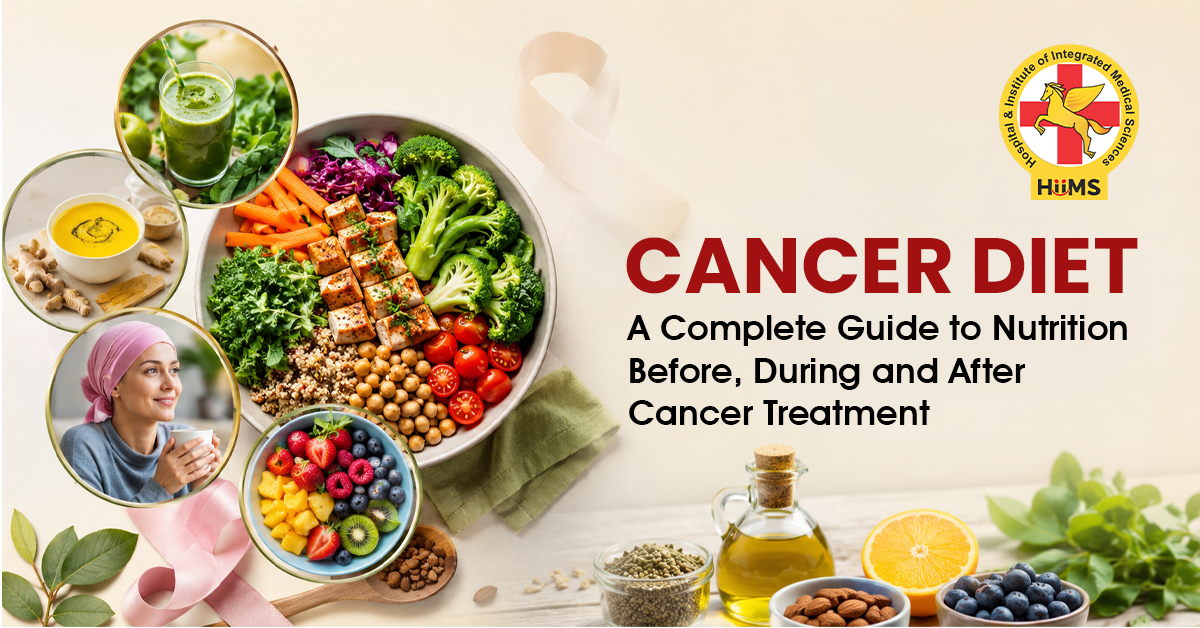

Food becomes complicated the moment cancer enters the picture. What tasted normal yesterday suddenly turns metallic. Appetite disappears some days, spikes on others. A proper cancer diet isn’t about following generic “healthy eating” advice; it actually shifts depending on where you are: before treatment, mid-chemo, or years into recovery.
This article walks through what to eat at each stage, what actually helps with side effects, and how nutrition supports your body through the process, not as a cure, but as genuine support alongside medical care.
Table of Contents
Why Does Cancer Diet Change So Much Across Treatment?
Because your body’s needs shift dramatically at each stage:
- Before treatment: building nutritional reserves
- During treatment: managing side effects and preventing malnutrition
- After treatment: rebuilding strength and focusing on long-term prevention
A one-size-fits-all “healthy” diet simply doesn’t address all three phases equally.
Food for Cancer Patients Before Treatment Begins
If you have time before starting chemo, radiation, or surgery, use it well. Food for cancer patients at this stage should focus on:
- High-protein foods like eggs, dairy, chicken, fish, and legumes
- Whole grains and a wide variety of vegetables for baseline nutrients
- Healthy fats, nuts, seeds, and olive oil, to support energy reserves
- Staying well-hydrated and establishing regular meal timing
Getting your body into a stronger nutritional position before treatment genuinely helps you handle side effects better once they show up.
Managing Side Effects During Treatment
For nausea:
- Ginger tea, citrus, or peppermint
- Small, frequent meals instead of three large ones
- Bland, cool foods on treatment days
For appetite loss:
- Nutritious snacks throughout the day, rather than forcing full meals
- High-calorie, high-protein options like peanut butter or hard-boiled eggs
For constipation:
- Plenty of water and fibre-rich foods
- Fruits, vegetables, and whole grains
For diarrhoea:
- Foods with sodium and potassium, like bananas and broth
- Avoiding greasy or spicy food until symptoms settle
Skipping meals actually worsens nausea for a lot of people, so even small bites throughout the day matter more than forcing three full plates.
What Does an Anti-Inflammatory Cancer Diet Actually Mean?
This term gets thrown around a lot, so let’s simplify it. An anti-inflammatory cancer diet generally includes:
- Loads of vegetables, fruits, legumes and whole grains
- Turmeric, ginger and leafy greens, as they are naturally anti-inflammatory.
- Processed meat less, processed sugar and saturated fats too much
- No drastic changes – no overnight elimination of whole food groups
Cancer Recovery Foods: Rebuilding Strength After Treatment
When active treatment ends, the focus shifts to rebuilding. At this point, cancer recovery foods should aid with tissue repair and immune strength:
- Lean proteins like fish, chicken, and legumes
- Colourful vegetables and fruits for antioxidants
- Whole grains instead of refined carbs
- Cutting back on saturated fats, processed foods, and red meat
It’s less about restriction and more about slowly getting back into eating nutrient-dense, plant-forward foods.
Post Cancer Nutrition Guide: Habits That Actually Stick
A good post-cancer nutrition guide isn’t a strict diet plan; it’s a set of habits built for the long run:
- Prioritise fruits, vegetables, and whole grains at most meals
- Limit red and processed meat
- Watch portion sizes to maintain a healthy weight
- Stay consistent with regular check-ins if a dietitian is part of your care team
Personalised guidance matters more here than generic rules picked up online.
Is There a Structured Eating Pattern That Helps?
Some people find it easier to follow a structured format than to plan meals from scratch every day. At Jeena Sikho HiiMS, this often takes the shape of:
- A pH-balanced plate system, splitting meals into two plates at breakfast, lunch, and dinner
- One plate focused on a fruit or vegetable salad, based on body weight
- The other is a light home-style or millet-based meal
- A Cancer Detox Juice, often recommended to support digestion and provide antioxidant support throughout the day
This kind of structure is generally meant to work alongside your oncologist’s guidance, not as a replacement for personalised dietary advice from your care team.
Conclusion
A thoughtful cancer diet genuinely supports you through every phase of this journey, before treatment, during the toughest weeks of side effects, and long after, while you’re rebuilding. None of this replaces medical treatment, but paired with it, good nutrition can make a real difference in how you feel day to day.
If you want guidance on building a personalised diet plan alongside your existing cancer care, you can book a VOPD consultation with Jeena Sikho HiiMS and talk it through with their team.

FAQs
Q1. Should I eat more protein during cancer treatment?
Yes, most people need extra protein and calories during treatment to maintain strength and prevent malnutrition.
Q2. Is a plant-based diet recommended after cancer treatment?
Yes, a diet emphasising vegetables, fruits, whole grains, and legumes is generally linked to better long-term outcomes.
Q3. Can diet alone prevent a cancer recurrence?
No diet is good for overall health but not necessarily for prevention. Regular screening and follow-up with a doctor are still important.
Q4. Should I consult a dietitian during cancer treatment?
Yes, a registered dietitian can personalise your nutrition plan based on your specific treatment and side effects.
Ayurvedic Cancer Care Products
100% natural, certified Ayurvedic formulations crafted for targeted cancer wellness.



Disclaimer: The information provided on this blog is for general educational and informational purposes only. It is not intended to replace professional medical advice, diagnosis, or treatment. Always consult a qualified healthcare professional before making any changes to your diet, lifestyle, or treatment plan. Individual results may vary.