
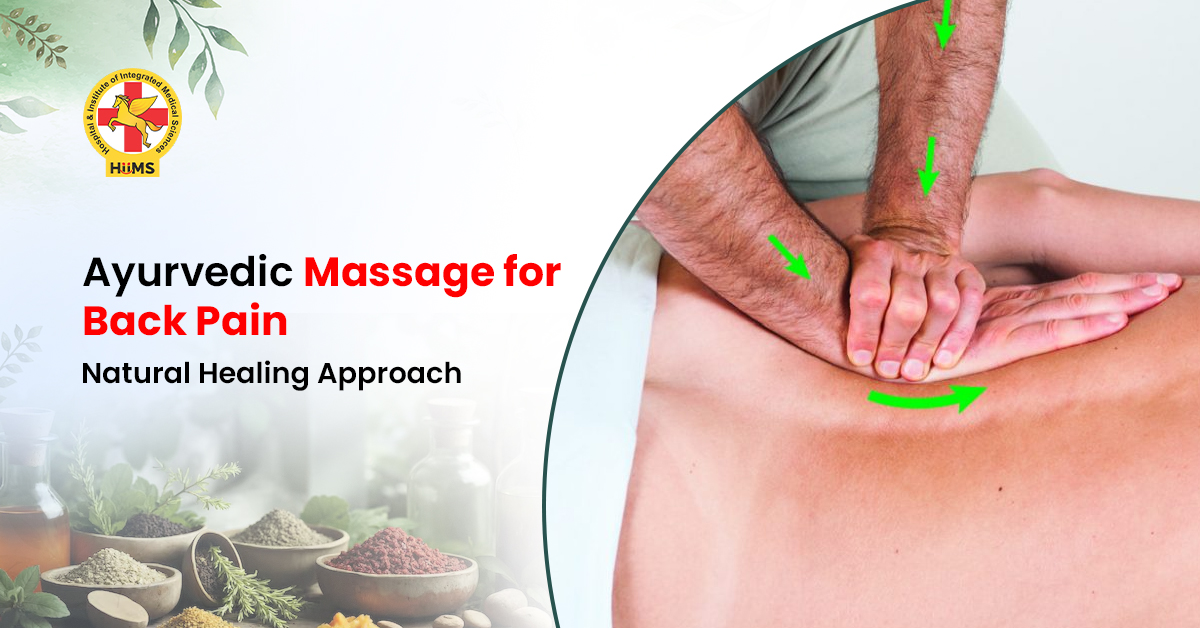
A good, comfortable back feeling generally decides how smoothly a day moves. When the spine feels strong and relaxed, routine tasks stay easy, and energy remains steady. But long sitting hours, rushed schedules, and limited physical movement have quietly changed how our bodies function. These days, many people experience stiffness, poor posture, and recurring discomfort that starts interfering with both their work and their ability to relax properly.
Instead of relying only on temporary relief methods, more individuals are turning toward supportive options like massage for back pain to ease daily strain and help the body settle into a better rhythm. A thoughtful routine that includes back pain massage therapy can gradually improve flexibility, circulation, and overall comfort without overwhelming the body. When traditional approaches and mindful care come together, recovery feels steadier and more natural.
In this blog, you will understand how massage practices support back health and how traditional therapies can become part of a balanced routine for comfort and mobility.
What Is Massage Therapy and How Does It Help the Back?
Massage therapy simply involves skilled hand movements that relax muscles and restore natural circulation. It works through pressure, massage, and rhythmic strokes that allow tight tissues to soften and release. Many people choose back pain massage therapy because it provides both physical and mental relaxation without complex procedures.
When done regularly, massage for back pain eases stiffness, improves posture awareness, and helps the back move more freely. Oil-based and other traditional methods also calm the nerves and leave the body feeling relaxed and comfortable even after the session ends.
How Massage Supports Natural Back Recovery
Effects On Muscles And Joints
Massage improves circulation in tight areas and allows muscles to regain flexibility. A well-guided lower back pain massage helps release deep stiffness around the lumbar region and supports smoother joint movement. When tissues receive better blood flow, they respond with improved strength and resilience.
Effects On Stress And Daily Tension
Mental stress often reflects in the body through muscle tightness. Massage calms the nervous system and encourages steady breathing, which naturally reduces tension across the back. Many individuals report feeling lighter and more balanced after regular sessions.
Why Consistency Matters
Massage works best when followed regularly. Instead of expecting instant change, steady sessions allow the body to adjust and regain comfort slowly. This gradual progress builds long-term ease rather than temporary relief.
Types of Massage for Back Pain Relief
- Gentle relaxation massage: Soft pressure techniques suit people with mild stiffness and everyday pain. These sessions focus on surface muscles and improve overall relaxation.
- Deep pressure or targeted massage: For long-term tightness, deeper pressure helps loosen stubborn knots and improve mobility across affected areas.
- Oil-based massage therapies: Warm oil applications support comfort and allow muscles to relax more easily during sessions.
- Stretch-assisted massage: Combining gentle stretching with massage strokes improves posture and flexibility over time.
- Lower back-focused techniques: A dedicated lower back pain massage works on muscles that carry most daily pressure, especially for those who sit or lift frequently.
Structured back pain massage therapy sessions help restore balance and ease in this sensitive area.
Ayurvedic Back Pain Massage: A Traditional Healing Perspective
How Ayurveda Views Back Discomfort
Traditional healing considers lifestyle, body balance, and tissue nourishment when addressing discomfort. Instead of focusing only on one painful point, the aim stays on restoring overall harmony.
Role Of Ayurvedic Back Pain Massage
An ayurvedic back pain massage uses warm herbal oils and rhythmic strokes that support circulation and relaxation. This approach allows muscles and nerves to receive steady nourishment while easing stiffness naturally.
Common Ayurvedic Massage Therapies For Back Care
- Abhyanga: A full-body oil therapy that relaxes muscles and improves circulation.
- Kati Basti: Localised oil pooling for the lumbar region that deeply soothes tissues.
- Swedana: Gentle herbal steam to reduce stiffness and improve flexibility.
- Potli massage: Warm herbal compresses that support muscle relaxation.
Each therapy works as part of a broader routine, and an Ayurvedic back pain massage is often selected based on individual comfort and condition. When guided properly, this approach offers steady improvement rather than temporary relief.
Choosing the Right Massage for Your Back Condition
Every back responds differently to pressure and technique. Mild stiffness usually responds well to lighter sessions, while long-term tightness benefits from structured therapy. A balanced routine that includes massage for back pain helps maintain flexibility and prevents discomfort from returning quickly. Professional guidance becomes important when pain affects daily movement or continues for a long period.
Holistic Back Care Approach at Jeena Sikho HIIMS
At Jeena Sikho HIIMS, massage forms one part of a broader wellness routine. Experts observe posture habits, work patterns, and lifestyle choices before suggesting suitable therapies. Personalized planning often includes guided massage sessions, dietary adjustments, and simple lifestyle corrections that support recovery. Traditional therapies are introduced gently and only when needed, keeping the focus on long-term comfort and natural mobility rather than short-term relief.
Conclusion
Back discomfort often develops from daily habits that slowly strain muscles and joints, which is why recovery also benefits from steady and thoughtful care. Choosing massage for back pain as a regular routine allows the body to relax, improve circulation, and regain flexibility without harsh interventions. Over time, consistent sessions support better posture, smoother movement, and overall comfort in everyday life. Holistic guidance further strengthens results by combining therapy with mindful lifestyle adjustments.
If recurring stiffness or discomfort continues to affect your routine, professional support can make recovery easier and more structured. To explore personalized care, connect with Jeena Sikho HIIMS at +91 82704 82704 or write to care@jeenasikho.com for guidance.

FAQs
Q1: How often should you take a back massage?
Regular weekly sessions at the beginning support relaxation, followed by occasional maintenance sessions as comfort improves.
Q2: Is Ayurvedic back pain massage safe for chronic pain?
Guided therapy under trained supervision supports gradual relief and helps manage long-term stiffness effectively.
Q3: Which massage works best for lower back pain?
Targeted oil-based and deep pressure techniques often provide better support for lumbar stiffness and tension.
Q4: Can massage improve posture-related pain?
Consistent sessions relax tight muscles and encourage better posture awareness during daily activities.
Q5: Is an oil massage better than a dry massage?
Warm oil applications provide deeper relaxation and help muscles release tension more comfortably.
