Most people would expect heart problems to feel like very serious, but they often start with small changes that are easy to ignore. A little breathlessness while climbing stairs, a strange heaviness in the chest after a meal, or tiredness that stays even after rest can all feel ordinary at first, yet the body may be trying to send an important message.
That is why paying attention to the early signs of heart blockage is so important, especially when the symptoms keep returning in daily life. In many cases, poor food habits, stress, low activity, and weak digestion slowly add pressure on the heart instead of causing one sudden problem. At Jeena Sikho HiiMS, the focus stays on understanding the deeper reason behind the feeling of pain and supporting the body through a natural treatment approach.
In this blog, you will read about five signs that deserve attention, how heart blockage develops, and what kind of care can help support better heart health.
Understanding Heart Blockage in a Simple Way
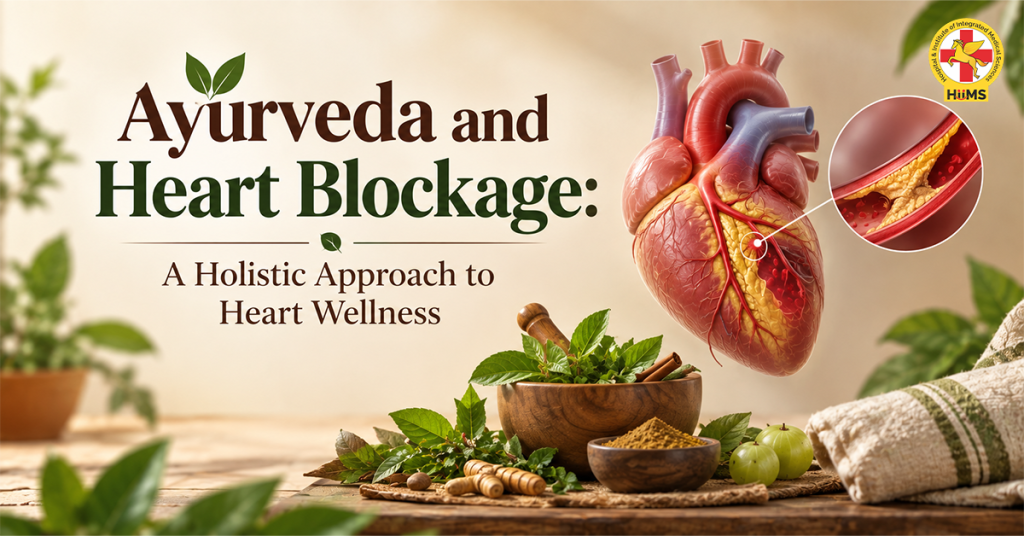
Heart blockage develops when fatty material and waste collect inside the arteries that carry blood to the heart. As the passage becomes narrow, the heart works harder to push blood through it, and this pressure grows slowly through daily habits such as poor food choices, stress, low movement, and weak digestion.

When circulation becomes less smooth, the body starts giving small warnings. These heart blockage symptoms may look ordinary at first, but they should not be ignored. In Ayurveda, heart health is linked with digestion, circulation, and balance, so care works best when it supports the whole body.
How Blockage Starts Without Clear Symptoms
The early stage can stay quiet for a long time. A person may feel fine most days and still notice pressure, tiredness, or discomfort during activity. These early signs of heart blockage come and go, which is why many people mistake them for routine weakness.
5 Early Signs of Heart Blockage You Should Never Ignore
1. Chest Discomfort or Heaviness
This often feels like pressure or tightness rather than extreme pain. It may appear while walking, climbing stairs, or dealing with stress, and it can settle after rest. Even a mild feeling here can be one of the key heart blockage symptoms.
2. Shortness of Breath During Daily Activities
If simple work leaves you breathless, the heart may not be sending enough oxygen-rich blood. Many people connect this with age or weakness, but it can point to heart strain and become one of the first early signs of heart blockage.
3. Unusual Tiredness Without a Clear Reason
This tiredness stays even after proper sleep. The body starts feeling tired because it does not receive enough blood and oxygen, and this can be one of the quieter heart blockage symptoms.
4. Irregular Heartbeat or Sudden Palpitations
A fast, uneven, or fluttering heartbeat may come on suddenly without any clear reason. When it starts happening again and again, it needs proper attention, especially if it is followed by dizziness or a feeling of weakness.
5. Sudden Sweating or Light Discomfort
Sweating without effort, a strange uneasy feeling, or mild dizziness can also be part of the early signs of heart blockage. Many people ignore it because the discomfort feels small, but repeated occurrences are serious.
Natural Treatment for Heart Blockage – A Different Approach
A natural treatment plan works by calming the body and supporting circulation instead of forcing it. It works on digestion, stress, diet, and daily routine, as these factors slowly influence heart health over time. The goal is to provide steady support instead of temporary relief.
Introducing Hrid Care Capsules – A Natural Support for Heart Care
Hrid Care Capsules are natural heart care capsules made to support daily heart function with a blend of Ayurvedic herbs. They do not act like quick fixes. Instead, they work quietly as a supportive addition to your routine, helping the body stay balanced. For those searching for the best medicine for heart, this kind of natural support feels more practical for long-term use.

Ayurvedic Treatment for Heart Blockage at Jeena Sikho HiiMS
The Ayurvedic treatment for heart blockage at Jeena Sikho HiiMS follows a step-by-step approach that looks at the person as a whole. The care plan starts after understanding the patient’s condition, daily routine, and internal balance.
Detoxification Through Panchakarma
Panchakarma helps remove toxins that disturb circulation and metabolism, and it gives the body space to settle into a cleaner internal state.
Hridaya Basti Therapy
Warm herbal oil is placed gently over the heart region to relax the area and ease heaviness or tension.
Herbal Support for Heart Function
Herbs like Arjuna, Amla, and Garlic are used carefully to support heart strength, digestion, and circulation.
Meet Our Expert
Dr. Rohit is a BHMS and DHNE qualified healthcare practitioner with over 6.5 years of experience. As a Zonal Medical Officer, he is known for his patient-focused approach and structured guidance, especially in managing heart-related health concerns.

Certifications
- BHMS
- DHNE
- Training in Lifestyle Disease & Preventive Cardiac Care
Cardiac Care Experience
Experienced in supporting patients with hypertension and lifestyle-related heart risks through preventive care, nutrition, and structured health plans.
Conclusion
Heart blockage hardly ever starts with one strong signal. It usually grows through small signs that people ignore because life feels too busy to pause. When you notice early signs of heart blockage again and again, it is wiser to take them seriously before the problem deepens. A balanced routine, careful food choices, and the right Ayurvedic treatment for heart blockage can support the heart in a steady way.

At Jeena Sikho HiiMS, patients receive care that looks beyond short-term relief and works with the body’s healing process. You can also opt for VOPD consultation with expert doctors at Jeena Sikho HiiMS.
FAQs
Q1: Can heart blockage be reversed naturally?
A natural plan supports circulation, digestion, and heart comfort, especially when the problem is identified at an early stage.
Q2: What makes the early signs hard to notice?
The symptoms often look like ordinary tiredness, acidity, or stress, so many people keep delaying proper attention.
Q3: When should heart symptoms get checked?
Repeated chest pressure, breathlessness, palpitations, or unusual fatigue deserve attention as soon as they start affecting daily routine.
Q4: How does Ayurveda support heart health?
Ayurveda considers digestion, stress, and toxins together, then uses diet, herbs, and therapies to help restore balance.
Q5: Why do people choose Jeena Sikho HiiMS for heart care?
The care process stays structured, patient-friendly, and rooted in natural healing, which helps people understand their condition more clearly.
Ayurvedic Heart Care Products
100% natural, certified Ayurvedic formulations crafted for targeted heart wellness.


Disclaimer: The information provided on this blog is for general educational and informational purposes only. It is not intended to replace professional medical advice, diagnosis, or treatment. Always consult a qualified healthcare professional before making any changes to your diet, lifestyle, or treatment plan. Individual results may vary.