
Diabetes does not always follow the pattern people generally expect. Some adults develop high blood sugar even when they maintain a healthy body weight and follow a fairly active routine. Others receive a type 2 diabetes diagnosis but find that their blood sugar remains difficult to manage despite taking prescribed medicines and making dietary changes. In certain cases, the reason may be a less familiar condition called LADA diabetes.
Also known as type 1.5 diabetes, this condition develops when the immune system slowly damages the insulin-producing cells in the pancreas. Since the process can take time, its early signs may look similar to type 2 diabetes. Recognising the difference is important because each type needs a different healthcare approach.
Along with the right treatment, suitable food choices, regular activity and personalised lifestyle care can help people look after their overall health. This blog explains the condition, its warning signs, diagnosis and the role Ayurveda may play as part of an integrated care plan.
Table of Contents
What Is Latent Autoimmune Diabetes in Adults (LADA)?
Latent autoimmune diabetes in adults is a slowly progressing form of autoimmune diabetes that usually appears during adulthood. The word ‘latent’ refers to its slow development. Unlike classic Type 1 diabetes, which often needs insulin soon after diagnosis, people with LADA may continue producing some insulin for months or even years.
However, the underlying process is different from Type 2 diabetes. The immune system mistakenly attacks the beta cells in the pancreas. These cells normally produce insulin, a hormone that helps glucose move from the bloodstream into the body’s cells.
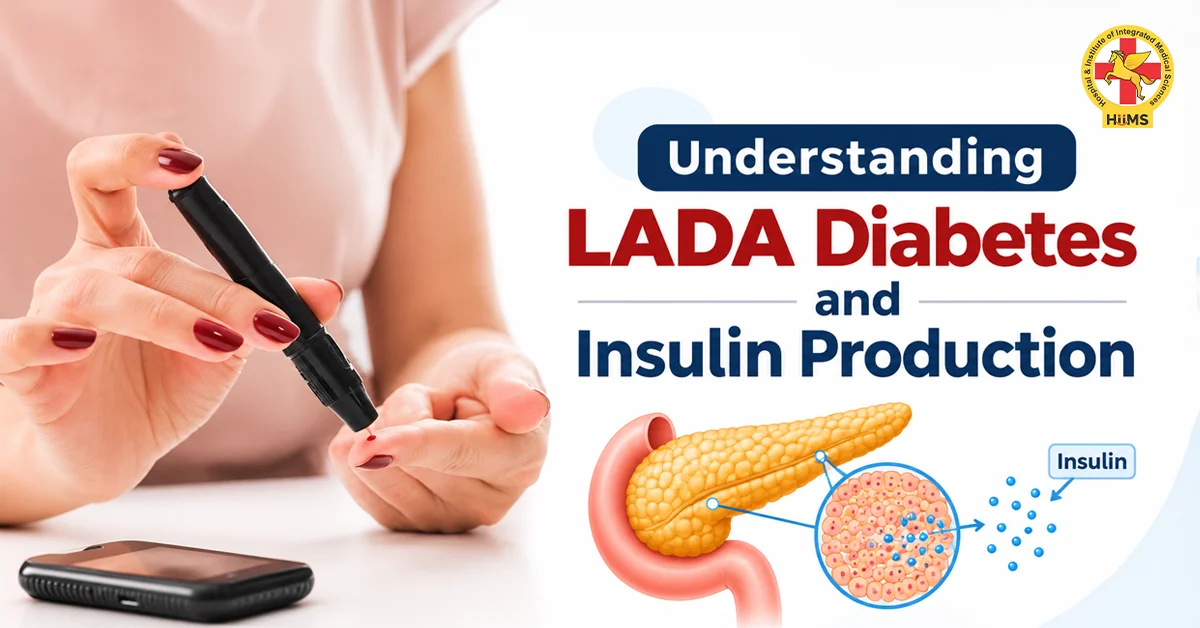
As the number of working beta cells declines, the pancreas produces less insulin. Blood glucose then becomes harder to manage, and insulin treatment may become necessary.
Why Is LADA Also Called Type 1.5 Diabetes?
LADA is often called type 1.5 diabetes because it shares features with both major types of diabetes.
At first, it may resemble type 2 diabetes. The person is an adult, may not need insulin immediately and may initially receive oral medicines. However, its cause is closer to type 1 diabetes because the immune system attacks insulin-producing cells.
The term Type 1.5 helps explain this mixed presentation, although doctors generally classify LADA within the autoimmune Type 1 diabetes spectrum.
How Is LADA Different From Type 1 and Type 2 Diabetes?
Let’s look at the table below to understand the difference:
|
Comparison |
Type 1 Diabetes | Type 2 Diabetes |
LADA |
| Main cause | Autoimmune damage to beta cells | Insulin resistance and impaired insulin production | Autoimmune damage to beta cells |
| Usual age at diagnosis | Often childhood or young adulthood, but can occur at any age | More common in adults but can occur at any age | Usually adulthood |
| Insulin production | Often falls sharply | May remain present for years | Declines slowly |
| Insulin requirement | Usually needed from diagnosis | Depends on individual needs and progression | May become necessary over time |
| Autoantibodies | Often present | Generally absent | Present in most diagnosed cases |
These are general differences, not rules that apply to every person. A healthcare professional must consider symptoms, test results and medical history before identifying the type of diabetes.
Have questions about your diabetes diagnosis?
Why Does LADA Diabetes Develop?
The exact reason why one person develops LADA and another does not still remain as an area of research. However, scientists know that an autoimmune system plays a fundamental role in it.
1. Autoimmune Activity in the Pancreas
The immune system normally protects the body against infections. In autoimmune conditions, it mistakenly targets certain healthy cells. In LADA, this response affects the insulin-producing beta cells of the pancreas.
As the damage progresses, the body over time loses its ability to produce enough insulin.
2. Genetic Factors and Family History
Certain inherited factors may increase a person’s likelihood of developing autoimmune diabetes. A family history of Type 1 diabetes or other autoimmune conditions can also be relevant when a doctor examines someone’s medical background.
However, having a family history does not mean that a person will definitely develop LADA.
3. Association With Other Autoimmune Conditions
Some people with LADA may also have another autoimmune condition, such as autoimmune thyroid disease or coeliac disease. This connection can help doctors decide whether further evaluation is appropriate.
4. Can Lifestyle Habits Cause LADA?
Unlike Type 2 diabetes, LADA diabetes causes are not primarily linked to excess body weight, a sedentary routine or eating too much sugar. Lifestyle habits alone do not explain the autoimmune damage behind this condition.
That said, food choices, physical activity and sleep still have significance. They can influence overall metabolic health and help a person manage daily blood glucose levels alongside healthcare management.
What Are the Early Symptoms of LADA Diabetes?
The early LADA diabetes symptoms may look much like those of other forms of diabetes. Some people notice changes slowly, while others discover high blood glucose during a routine health check.
Common signs include:
1. Frequent Urination and Increased Thirst
When blood glucose rises, the kidneys work to remove extra glucose through urine. This can contribute to more frequent urination and increased thirst, even when a person drinks water regularly.
2. Unexplained Weight Changes
Some people lose weight without changing their food intake or activity. This may happen when the body cannot use glucose properly and starts using stored fat and muscle for energy.
3. Constant Tiredness and Low Energy
When cells cannot receive enough glucose for energy, a person may feel unusually tired. Everyday tasks may start feeling more difficult than before.
4. Increased Hunger
A person may feel hungry soon after eating because the body cannot use glucose efficiently. Persistent hunger along with thirst and frequent urination deserves healthcare attention.
5. Blurred Vision
High blood glucose can temporarily affect the fluid balance in the eye, leading to blurred vision. Repeated or sudden vision changes should not be ignored.
6. Slow Healing of Cuts and Wounds
High blood glucose can affect circulation and the body’s normal healing process. Therefore, cuts, sores or skin infections may take longer to heal.
7. Blood Sugar That Remains Difficult to Manage
Some people find that their glucose levels remain high despite following their prescribed Type 2 diabetes plan. In such cases, a doctor may consider whether the original classification needs another look.

Why Is LADA Often Misdiagnosed as Type 2 Diabetes?
One reason is that LADA usually develops in adulthood. At diagnosis, many people still produce enough insulin to avoid immediate insulin treatment. Their symptoms and initial test results may therefore resemble type 2 diabetes.
The difference may become clearer over time. Blood glucose may remain difficult to manage, and the person may need insulin earlier than doctors would usually expect in their original Type 2 diabetes plan.
A reassessment may be worth discussing when:
- Blood glucose remains high despite following the prescribed plan.
- A person experiences unexplained weight changes.
- There is a personal or family history of autoimmune conditions.
- Insulin becomes necessary earlier than expected.
- Other clinical findings do not fit the usual type 2 diabetes pattern.
This does not mean that every person who struggles to control blood glucose has LADA. It means that doctors may need to investigate further rather than assume that every adult has Type 2 diabetes.
How Is LADA Diabetes Diagnosed?
A proper LADA diabetes diagnosis helps doctors understand how much insulin the body can still produce and plan suitable treatment. No single symptom or routine blood sugar test can confirm LADA.
Doctors may use a combination of the following tests.
1. Blood Glucose and HbA1c Tests
A fasting blood glucose test measures sugar levels after a time frame without food. An HbA1c test gives an estimate of average blood glucose over roughly the previous two to three months.
These tests help identify diabetes and assess glucose control. However, they cannot alone distinguish LADA from Type 2 diabetes.
2. GAD Antibody Test
The glutamic acid decarboxylase (GAD) antibody test looks for antibodies associated with autoimmune damage to pancreatic beta cells. GAD antibodies are among the commonly checked markers when a doctor suspects autoimmune diabetes.
3. C-Peptide Test
C-peptide is released when the pancreas produces its own insulin. Its level can therefore help doctors understand how much natural insulin production remains.
A low C-peptide level may suggest reduced insulin production, although doctors must interpret the result alongside blood glucose, treatment history and other clinical findings.
4. Other Islet Autoantibody Tests
When required, doctors may also check:
- IA-2 antibodies.
- ZnT8 antibodies.
- Other relevant islet autoantibodies.
The American Diabetes Association’s 2026 Standards of Care: Diagnosis and Classification of Diabetes discusses autoimmune diabetes in adults, antibody testing and the importance of identifying the correct diabetes category.
Why Does Accurate Diagnosis Matter?
An incorrect classification can delay suitable treatment. Since insulin production may continue to decline in LADA, doctors need to monitor the person’s condition and adjust treatment when necessary.
The 2026 ADA guidance also highlights the importance of using appropriate, reliable antibody tests. Not every antibody result should be interpreted in isolation.
What Does Research Say About LADA in India?
Indian research has started examining how often autoimmune diabetes appears among adults who initially receive a Type 2 diabetes diagnosis.
Findings From a Study in North-Eastern Uttar Pradesh
A study published in the Annals of the National Academy of Medical Sciences (India) in 2022 examined GAD65 antibodies among 77 adults from north-eastern Uttar Pradesh.
The participants were between 30 and 75 years of age. Researchers found that 40 participants tested positive for GAD65 antibodies, representing 51.95% of this selected study group.
This finding is worth noting, particularly because it highlights the need to consider autoimmune diabetes when assessing adults with high blood glucose. However, the study involved a small, selected hospital-based group. Its results should not be treated as the prevalence of LADA across Uttar Pradesh or India.
Read the published paper: Prevalence of Latent Autoimmune Diabetes in Adult Based on the Presence of GAD 65 Antibodies in North-Eastern Uttar Pradesh, India.
What Does International Research Say?
An international expert panel published a consensus statement on LADA management in 2020. It estimated that LADA accounts for around 2–12% of adult-onset diabetes cases, although the figures vary across populations and testing methods.
The panel also highlighted the importance of C-peptide levels when planning treatment. Since insulin-producing capacity differs from one person to another, doctors need to consider individual test results rather than follow one fixed plan.
You can read the full international expert panel consensus on LADA management.
Can Ayurveda Help With LADA Diabetes Management?
Ayurveda looks at health through a combination of food, daily routine, digestion, activity and individual constitution. Its traditional understanding of diabetes includes conditions described under Prameha, with Madhumeha forming part of this group.
In Ayurveda LADA diabetes management may be considered as a complementary approach for dietary guidance, daily habits, suitable physical activity and general wellbeing.
Understanding Prameha and Madhumeha in Ayurveda
Ayurvedic texts describe Prameha as a group of conditions associated with changes in urination and other aspects of bodily function. Madhumeha is traditionally discussed within this group.
Ayurveda considers several aspects of a person’s health, including:
- Aahar: Food choices and eating habits.
- Vihar: Daily routine, activity and rest.
- Shaman: Traditional medicines, herbs and measures used to maintain balance.
- Shodhan: Traditional purification procedures considered in selected cases such as Panchakarma and other Ayurvedic therapies.
These principles offer a traditional framework for individualised care.
Understanding Vata, Pitta and Kapha
Ayurveda also considers the three Doshas (Vata, Pitta and Kapha) when assessing an individual’s constitution and health patterns.
A practitioner’s assessment may include food habits, digestion, sleep, activity and daily routine. This can help provide personalised lifestyle advice.
However, a Dosha assessment cannot identify LADA or measure the remaining insulin-producing capacity of the pancreas.
How an Integrated Approach May Complement Care
For someone living with LADA, an integrated approach may include:
- Personalised food planning that considers glucose levels and prescribed treatment.
- Suitable physical activity based on overall health.
- Yoga and breathing practices for relaxation and daily wellbeing.
- Guidance on sleep and consistent daily routines.
- Regular blood glucose checks and medical follow-ups.
- Coordination between Ayurvedic practitioners and the treating diabetes specialist.
The purpose is to complement the person’s existing care plan, not replace it.
Natural Ways to Support LADA Diabetes Management
Daily habits can make a meaningful difference to general health. The following measures can help people look after their health while continuing their prescribed treatment.

1. Follow a Balanced and Fibre-Rich Diet
Include vegetables, pulses, whole grains and suitable protein sources in everyday meals. Fibre-rich foods can help slow the absorption of glucose and make meals more balanced.
2. Include Suitable Whole Grains and Millets
Jowar, bajra, ragi and other whole grains can form part of a balanced Indian diet. The right portion depends on a person’s overall meal plan, activity and glucose response.
3. Add Seasonal Vegetables and Protein Sources
Include vegetables such as spinach, beans, bottle gourd, cauliflower and other seasonal choices. Pulses or other suitable protein sources can help make meals more balanced. A healthcare professional or dietitian can help decide suitable portions.
4. Maintain Consistent Meal Timings
Try to follow a regular eating schedule rather than skipping meals or making sudden changes. This becomes particularly important for people using insulin, as meal timing and carbohydrate intake can affect blood glucose.
5. Choose Suitable Physical Activities
Walking, cycling and other moderate activities may help improve general fitness and glucose management. Start with an activity level that suits your health and gradually build consistency.
People using insulin should also understand how exercise can affect blood glucose and take suitable precautions against low blood sugar.
6. Practise Yoga and Pranayama
Gentle yoga and breathing practices may help with flexibility, relaxation and stress management. Choose practices according to your physical ability and medical condition.
7. Maintain a Regular Sleep Schedule
Poor sleep can affect appetite, energy and glucose regulation. Try to maintain a consistent bedtime, avoid late-night screen use and create a comfortable sleeping routine.
8. Manage Everyday Stress
Work pressure, family responsibilities and health concerns can make daily life difficult. Walking, breathing exercises, meditation and spending time on enjoyable activities may help manage everyday stress.
9. Monitor Blood Sugar Regularly
Keep a record of your glucose readings, meals, activity and any symptoms of low blood sugar. Share this information with your healthcare professional during follow-up visits.
Which Ayurvedic Herbs Are Traditionally Used for Diabetes Care?
Several herbs have a long history of use in traditional diabetes care. However, research on these herbs mainly relates to general diabetes or type 2 diabetes.
Some commonly discussed herbs include:
1. Gudmar (Gymnema sylvestre)
Gudmar is traditionally used in Ayurvedic preparations for diabetes-related care. Researchers have studied its possible effects on glucose metabolism.
2. Methi (Fenugreek)
Fenugreek seeds are high in fibre and are commonly used in Indian cooking. Some studies have examined their effects on blood glucose in people with diabetes.
3. Karela (Bitter Gourd)
Karela is a familiar part of Indian meals and has a history of traditional use in diabetes care.
4. Jamun (Indian Blackberry)
Jamun fruit and its seeds appear in traditional preparations. Research into their effects on blood glucose.
5. Neem (Azadirachta indica)
Neem has several traditional uses in Ayurveda, and it is among the herbs most studied for blood sugar support. In a 12-week randomised, placebo-controlled trial in India, 80 adults with Type 2 diabetes already taking metformin received a standardised neem leaf extract.
6. Amla (Indian Gooseberry)
Amla is commonly used in food and traditional preparations. It contains vitamin C and other plant compounds.
An important precaution: Some herbs and herbal formulations may lower blood glucose or interact with prescribed medicines. People using insulin should consult an experienced Ayurvedic doctor before taking them. Never stop or reduce insulin to make room for an herbal product on your own.
What Ayurvedic Therapies May Be Considered in an Integrated Care Plan?
Some people explore traditional therapies alongside their regular diabetes care. Their suitability depends on the person’s health, glucose levels, current medicines and other medical conditions.
1. Panchakarma Therapies
Panchakarma refers to a group of traditional Ayurvedic procedures. A qualified practitioner may assess whether any procedure is appropriate for an individual’s overall health.
2. Neem-Karela Therapy
Neem-Karela therapy is a traditional practice offered in Jeena Sikho HiiMS for blood sugar-related problems.
3. Yoga and Pranayama
Suitable yoga and breathing practices may help people maintain physical activity and manage everyday stress. The choice of practice should reflect the person’s fitness and health status.
4. Personalised Dietary and Lifestyle Guidance
A personalised plan may help a person understand meal portions, food choices, sleep habits and activity levels. For someone using insulin, the plan must also consider the timing of meals and the possibility of low blood glucose.
How Does Jeena Sikho HiiMS Approach Integrated Diabetes Care?
Jeena Sikho HiiMS follows an integrated healthcare approach that brings traditional practices and modern medical assessment into the wider context of diabetes care. Its diabetes-related services and programmes include dietary and lifestyle guidance, Ayurvedic care and glucose monitoring approaches.
However, LADA needs a different level of attention from routine Type 2 diabetes care because it involves progressive autoimmune damage to insulin-producing cells.
An integrated discussion may include:
Understanding the Patient’s Health History
The healthcare team should review previous diagnoses, blood glucose reports, HbA1c results, antibody tests, C-peptide levels and current medicines.
Personalised Diet and Lifestyle Guidance
Food and activity advice should reflect the person’s glucose patterns, daily routine and prescribed treatment. A plan should not involve sudden fasting or restrictive eating without medical supervision.
Ayurvedic Care According to Individual Needs
Traditional dietary guidance and selected practices may be discussed as complementary options. Their suitability should be assessed rather than assumed.
Regular Monitoring and Follow-Up
People with LADA need ongoing medical monitoring. Changes in glucose levels, insulin requirements and general health should guide decisions about treatment.
What Should People With LADA Diabetes Keep in Mind?
Living with LADA requires attention to both daily habits and medical treatment. A few precautions can help people avoid unsafe changes.
- Never stop or change insulin without the healthcare professional’s advice.
- Do not replace prescribed medicines with herbs or home remedies on your own.
- Monitor blood glucose as recommended by your healthcare professional.
- Discuss changes in diet, exercise and meal timing with your healthcare team.
- Learn to recognise the signs of low blood sugar, such as sweating, shaking, sudden hunger, dizziness or confusion.
- Attend regular appointments and complete recommended HbA1c and other tests.
Know the Warning Signs of Diabetic Ketoacidosis
Diabetic ketoacidosis (DKA) is a serious condition that can develop when the body does not have enough insulin. Warning signs may include vomiting, abdominal pain, deep or rapid breathing, unusual drowsiness and confusion. Seek urgent healthcare evaluation if these symptoms appear.
Conclusion
A diagnosis of LADA diabetes can raise several questions, especially when a person has already been following a type 2 diabetes treatment plan. Since the condition develops through an autoimmune process, identifying it correctly is an important step towards suitable care.
Regular medical assessment, blood glucose monitoring and insulin when required remain central to its management. Alongside these measures, balanced meals, suitable physical activity, proper sleep and stress management can help a person look after their overall health. Ayurveda may offer complementary guidance through individualised food and lifestyle practices.
If you or someone in your family has been diagnosed with LADA, connect with the healthcare professionals at Jeena Sikho HiiMS through an in-person or VOPD consultation. Discuss your medical history, test reports and existing treatment to explore suitable integrated care options.

FAQs
1. What is the difference between LADA and type 2 diabetes?
LADA develops because the immune system attacks insulin-producing cells, while type 2 diabetes mainly involves insulin resistance and impaired insulin production.
2. What are the early warning signs of LADA diabetes?
Common signs include frequent urination, increased thirst, unexplained weight changes, tiredness, blurred vision and blood glucose that remains difficult to manage.
3. Can LADA diabetes be managed naturally?
Balanced meals, regular activity, proper sleep and stress management can help you when guided by experienced Ayurvedic doctors. Insulin must still never be delayed once your body needs it.
4. Does everyone with LADA eventually need insulin?
Many people with LADA need insulin as their natural insulin production declines, but the timing depends on individual test results and disease progression.
5. Can Ayurvedic herbs be taken along with insulin for LADA?
Some herbs may affect blood glucose or interact with medicines, so people using insulin should consult an experienced Ayurvedic doctor at Jeena Sikho HiiMS before taking any herbal preparation.
Ayurvedic Diabetes Care Products
100% natural, certified Ayurvedic formulations crafted for targeted diabetes wellness.


Disclaimer: The information provided on this blog is for general educational and informational purposes only. It is not intended to replace professional medical advice, diagnosis, or treatment. Always consult a qualified healthcare professional before making any changes to your diet, lifestyle, or treatment plan. Individual results may vary.