
Ayurveda is an ancient system of healing that focuses on cleansing, balance, and natural well-being. One of its most respected detoxification processes is Panchakarma, a group of therapies designed to remove accumulated toxins from the body. However, before beginning the main cleansing procedures, the body needs proper preparation. This preparation ensures that toxins loosen from tissues and move toward the digestive tract for elimination. One of the most important preparatory therapies used in Ayurveda is Snehana Therapy.
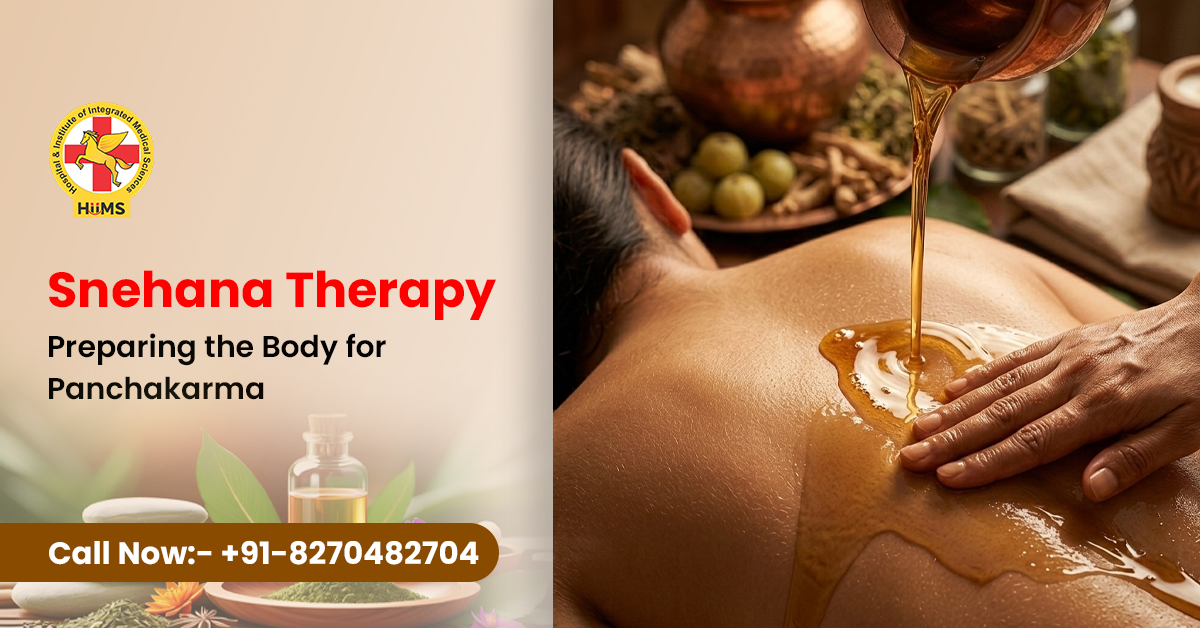
In simple terms, Snehana refers to the process of oleation, where medicated oils or ghee are applied internally or externally to nourish and lubricate the body. This therapy softens tissues and helps toxins move more easily through the body.
In traditional Ayurvedic practice, preparing the body properly before detoxification is considered essential. Without preparation, the cleansing process may not work effectively. This is why Snehana is performed carefully under the guidance of Ayurvedic experts. By lubricating the body, calming the doshas, and nourishing the tissues, this therapy creates the right environment for Panchakarma to work smoothly and safely.
What is Snehana in Ayurveda?
Understanding what is snehana in ayurveda helps explain why this therapy is a key part of Ayurvedic detoxification. It involves the use of medicated oils or ghee to lubricate the body internally and externally.
Important Points
- Oils or ghee help soften body tissues.
- Helps loosen toxins stored in the body.
- Reduces dryness and stiffness.
- Improves circulation and flexibility.
- Prepares the body for detox therapies.
Overall, Snehana Therapy gently conditions the body so that deeper cleansing therapies can work more effectively.
Snehana Therapy in Panchakarma
The role of snehana Therapy in panchakarma is to prepare the body before the main detoxification procedures begin. By softening tissues and mobilizing toxins, it makes purification therapies smoother and more effective.
Important Points
- Helps loosen deep-seated toxins (Ama).
- Softens tissues and improves flexibility.
- Moves toxins toward the digestive tract.
- Makes detox procedures more effective.
- Supports smooth elimination.
Because of these benefits, Snehana Therapy is considered an essential preparatory step in Panchakarma treatments.
Importance of Snehana Karma
The importance of snehana karma lies in its nourishing and balancing effects on the body. Ayurveda explains that lubrication helps maintain healthy tissues and prevents dryness-related disorders.
Important Points
- Nourishes and strengthens body tissues.
- Helps reduce dryness and stiffness.
- Supports joint movement and flexibility.
- Improves digestion and metabolism.
- Promotes overall body balance.
The importance of snehana karma is seen in how it prepares the body for detox while supporting long-term health.
Types of Snehana
Ayurveda describes different forms of snehana, depending on how the oils or fats are used. These methods are selected according to the individual’s health condition, body type, and treatment goals.
The two main types are internal oleation and external oleation.
Internal Snehana involves consuming medicated ghee or oils in controlled quantities under the supervision of an Ayurvedic physician. This process helps lubricate the internal organs and digestive tract. It allows toxins stored in tissues to move toward the stomach and intestines.
External Snehana involves applying herbal oils directly to the body. These oils are gently massaged into the skin so that they penetrate deeper tissues. External oleation relaxes muscles, nourishes the skin, and improves circulation.
Both methods play a supportive role in preparing the body for detoxification and are often combined to enhance the overall therapeutic effect.
Snehana Therapy in Panchakarma
When discussing Panchakarma preparation, the role of Snehana in Panchakarma becomes very clear. Panchakarma is not just a cleansing treatment; it is a structured process with multiple stages.
Purvakarma: Preparation for Snehana
Before starting the therapy, certain preparations are recommended so the body can absorb oils and ghee properly. This stage helps maintain balanced digestion and ensures the therapy works smoothly.
Important Points
- A light and simple diet is recommended.
- Heavy and oily foods should be avoided.
- Digestion (Agni) is stabilized before therapy begins.
- The body becomes ready to absorb oils.
- Doshas remain balanced during the therapy.
Proper preparation helps the body respond effectively to Snehana Therapy.
Pradhanakarma: Main Procedure
During this stage, medicated oils or ghee are administered either internally or externally depending on a person’s body type and health condition.
Important Points
- Internal oleation involves taking medicated ghee or oils.
- External therapy includes oil application on the body.
- Warm oils nourish tissues and calm the nervous system.
- Therapy is done under trained supervision.
- Helps balance Vata dosha.
This stage allows the therapy to deeply nourish the body while loosening toxins.
Paschatkarma: Care After Therapy
After the therapy, certain lifestyle guidelines help maintain its benefits and support the detox process.
Important Points
- Light meals help maintain stable digestion.
- Cold exposure should be avoided.
- Heavy physical activity is discouraged.
- Proper hydration and rest are advised.
- Mild sweating therapy may sometimes follow.
These post-therapy practices help preserve the benefits of snehana.
Types of Snehana
Ayurveda describes different types of snehana depending on whether oils are used internally or externally.
1. Abhyantara Snehana (Internal Oleation)
This method involves consuming medicated ghee or oils for a few days under guidance.
Important Points
- Nourishes body tissues deeply.
- Helps move toxins toward digestion.
- Improves internal lubrication.
- Dosage depends on digestive strength.
Internal oleation is one of the most important forms of snehana used before detoxification.
2. Bahya Snehana (External Oleation)
This method includes the external application of oils through massage and other therapies.
Important Points
- Improves blood circulation.
- Helps relax muscles and joints.
- Reduces dryness in skin and tissues.
- Supports toxin movement.
One common method is Abhyanga oil massage, where warm herbal oil is gently applied across the body using rhythmic strokes.
Role of Abhyanga Oil Massage
Abhyanga is a traditional Ayurvedic therapy where warm herbal oils are gently massaged over the entire body using rhythmic strokes. It helps nourish body tissues, improve blood circulation, and relax muscles.
The therapy also supports the movement of toxins toward the digestive system, which makes it helpful before detox treatments. In Ayurvedic centers, trained therapists perform this massage using herbal oils selected according to an individual’s body type and health needs.
How Snehana Prepares the Body for Detox
Before Panchakarma detox begins, the body needs preparation so toxins can move easily out of the tissues. This stage focuses on softening the body and loosening accumulated toxins. It highlights the importance of snehana, as oils help mobilize impurities and prepare the body for effective cleansing.
Important Points
- Oils help loosen and mobilize toxins stored in tissues.
- Internal and external oleation softens body channels.
- Proper lubrication allows toxins to move toward digestion.
- The forms of snehana help physicians select the right therapy.
- External therapies like Abhyanga massage support toxin movement.
- Steam therapy is often combined to improve oil absorption.
Through proper preparation and lubrication, it gently prepares the body for deeper and more effective detoxification.
Conclusion
Ayurveda emphasizes preparing the body before detoxification. Snehana Therapy helps soften tissues, nourish the body, and guide toxins toward the digestive system for effective cleansing.
When done under expert guidance, it supports a smoother Panchakarma detox journey. For authentic Ayurvedic treatments and guidance, you can contact the experts at Jeena Sikho HiiMS at +91-82704-82704 or email care@jeenasikho.com
FAQs
1. What is the purpose of this therapy?
It prepares the body for detox and nourishes tissues.
2. Is the treatment safe for everyone?
It is generally safe when done under proper Ayurvedic guidance.
3. Is diet important during the treatment?
A light and simple diet is usually recommended.
4. Does the therapy involve massage?
Yes, external oil application is often done through body massage.
5. Can it help with body stiffness?
It may help improve flexibility and reduce stiffness.
Disclaimer: The information provided on this blog is for general educational and informational purposes only. It is not intended to replace professional medical advice, diagnosis, or treatment. Always consult a qualified healthcare professional before making any changes to your diet, lifestyle, or treatment plan. Individual results may vary.