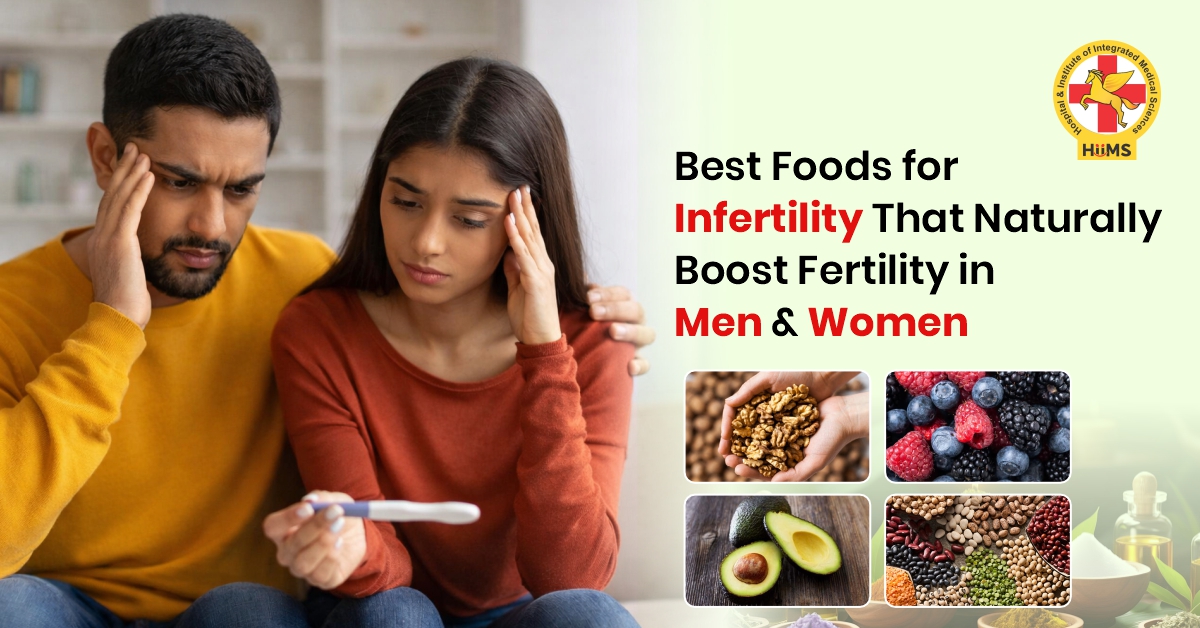

Infertility is becoming more common worldwide, affecting both men and women. While medical treatments are available, natural approaches can greatly improve reproductive health. Diet plays an important role in supporting fertility.
Consuming the right foods for infertility can balance hormones, improve egg and sperm quality, and strengthen reproductive functions. Ayurveda recognizes the power of natural foods to nourish the body and maintain harmony, making it a helpful approach to fertility enhancement.
At Jeena Sikho HiiMS, a leading Ayurvedic wellness center, specialists guide patients on diet plans that improve reproductive health, increase energy levels, boost immunity, and promote overall well-being.
Regularly adding fertility-boosting foods to meals can naturally help in conception. This blog looks at the best diet for infertility, how they can improve fertility, and easy ways to add them to your daily routine, providing a safe and natural approach to enhancing fertility for both men and women.
Table of Contents
What Is Infertility and Its Causes
A couple is considered infertile if they cannot conceive after one year of consistent, unprotected intercourse. Infertility can impact both partners and arises from several factors. In women, it may be caused by hormonal imbalances, ovulation problems, age-related decline, or polycystic ovary syndrome (PCOS). Male infertility is often caused by reduced sperm production, weak sperm movement, or unhealthy lifestyle choices, including stress, smoking, and an unbalanced diet.
Environmental toxins, too much caffeine, and processed foods can make the situation worse. Ayurveda explains that an imbalance in Vata, Pitta, and Kapha energies can disturb fertility. Correcting this imbalance through natural fertility foods, diet, and lifestyle modifications can significantly improve reproductive health.
Connection Between Diet and Fertility
Nutrition plays an essential part in reproductive health. A diet rich in nutrients improves egg quality, supports sperm vitality, and maintains hormonal harmony. Foods high in antioxidants help reduce oxidative stress, protecting reproductive cells from harm.
Folate, zinc, vitamin D, and omega-3 fatty acids play a vital role in ovulation, sperm formation, and hormonal regulation. According to Ayurveda, fresh, seasonal, and plant-based foods nourish reproductive organs and support bodily balance. Following a fertility diet plan in India centered on natural foods may improve conception chances and enhance overall lasting health.
Best Foods for Infertility for Men and Women
Explore the best natural foods that naturally enhance fertility and support reproductive health for both men and women.
1. Leafy Greens
Leafy greens such as spinach, kale, and fenugreek are packed with folate, iron, magnesium, and CoQ10. These vital nutrients contribute to strong egg and sperm function, maintain hormonal balance, and promote blood flow in the reproductive system. Consuming these greens regularly through salads, smoothies, or warm dishes may help improve fertility health.

2. Berries
Rich in antioxidants, vitamin C, and fiber, strawberries, blueberries, and raspberries help defend reproductive cells, ease inflammation, and boost egg and sperm quality. Eating a handful daily in smoothies or as snacks naturally supports fertility.

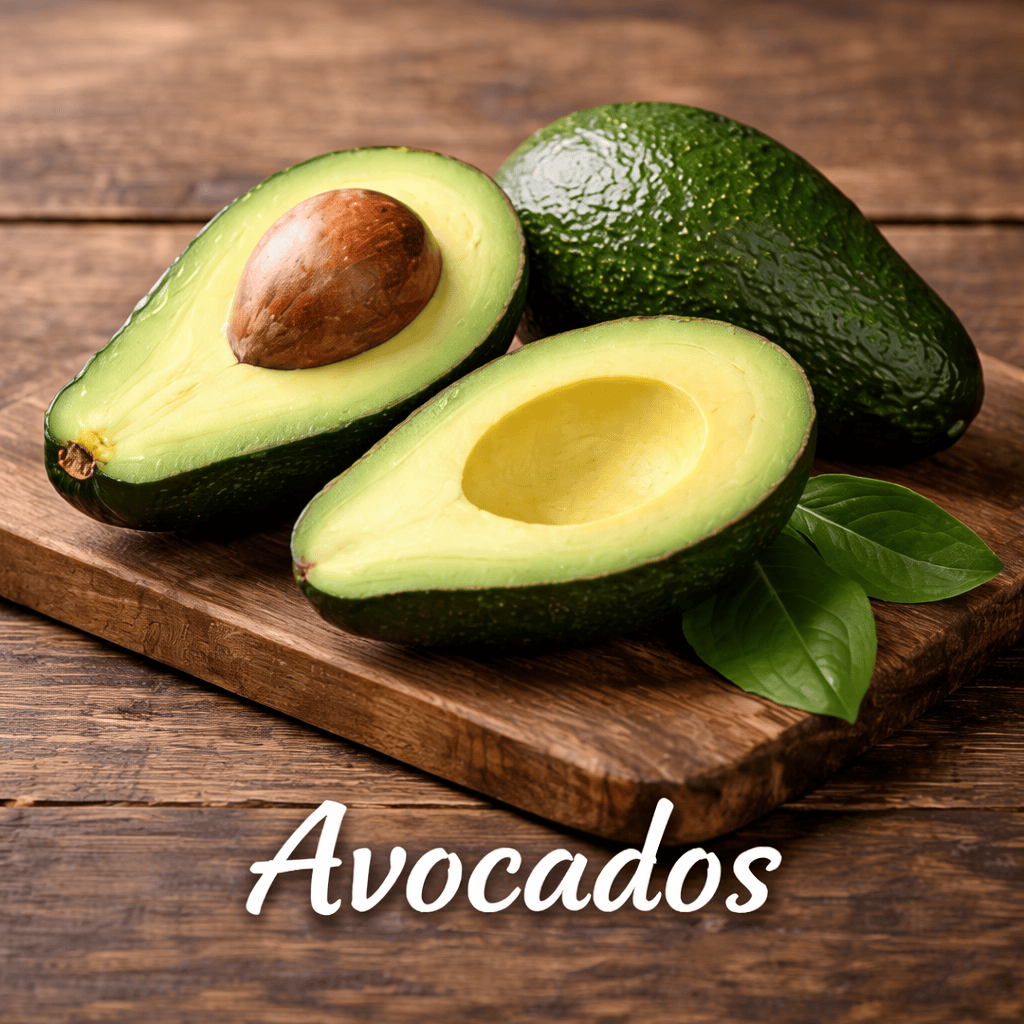
3. Avocados
With their supply of monounsaturated fats, vitamin E, and potassium, avocados promote hormone production, enhance sperm function, and create a supportive uterine environment for implantation.
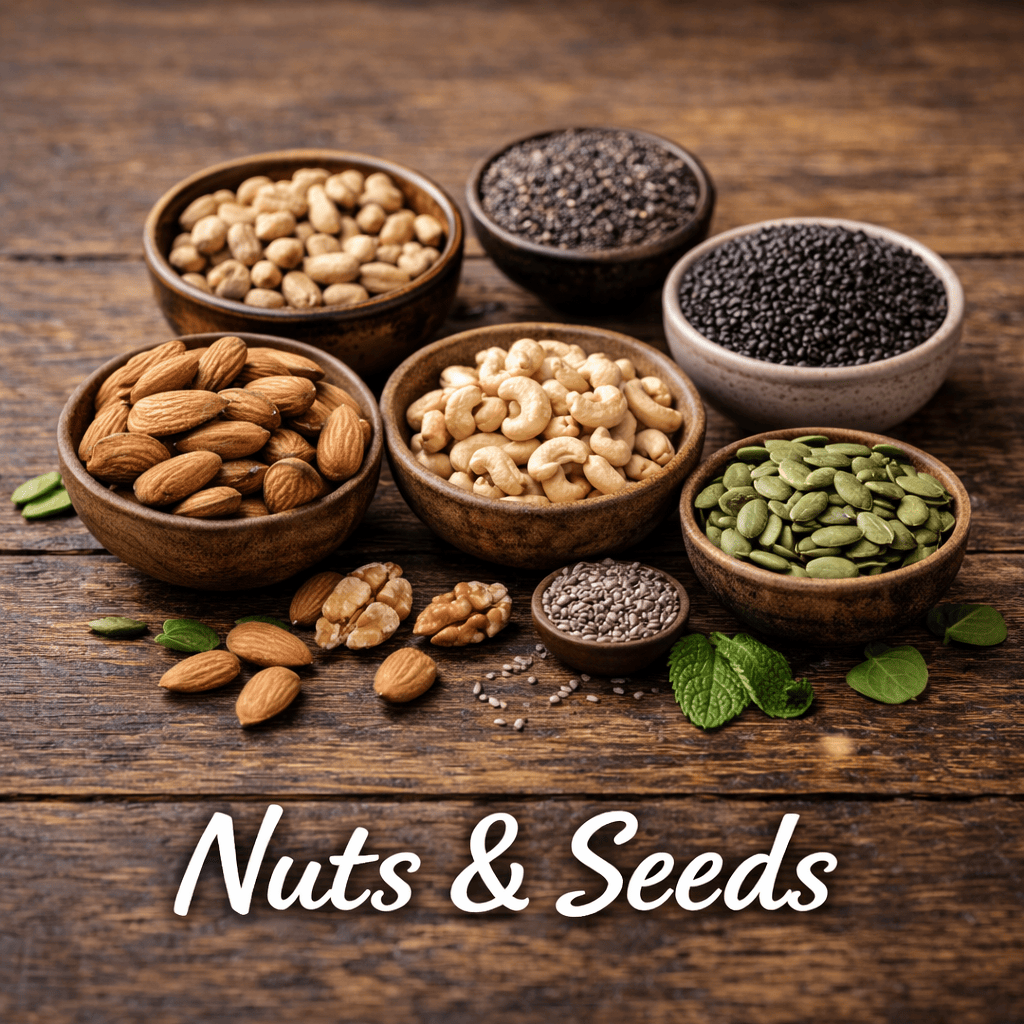
4. Nuts and Seeds
Walnuts, almonds, flaxseeds, and chia seeds contain high amounts of omega-3 fatty acids, vitamin E, and zinc. They support sperm formation, ovulation, and hormone balance. A small handful of nuts or a tablespoon of seeds daily strengthens reproductive health naturally.
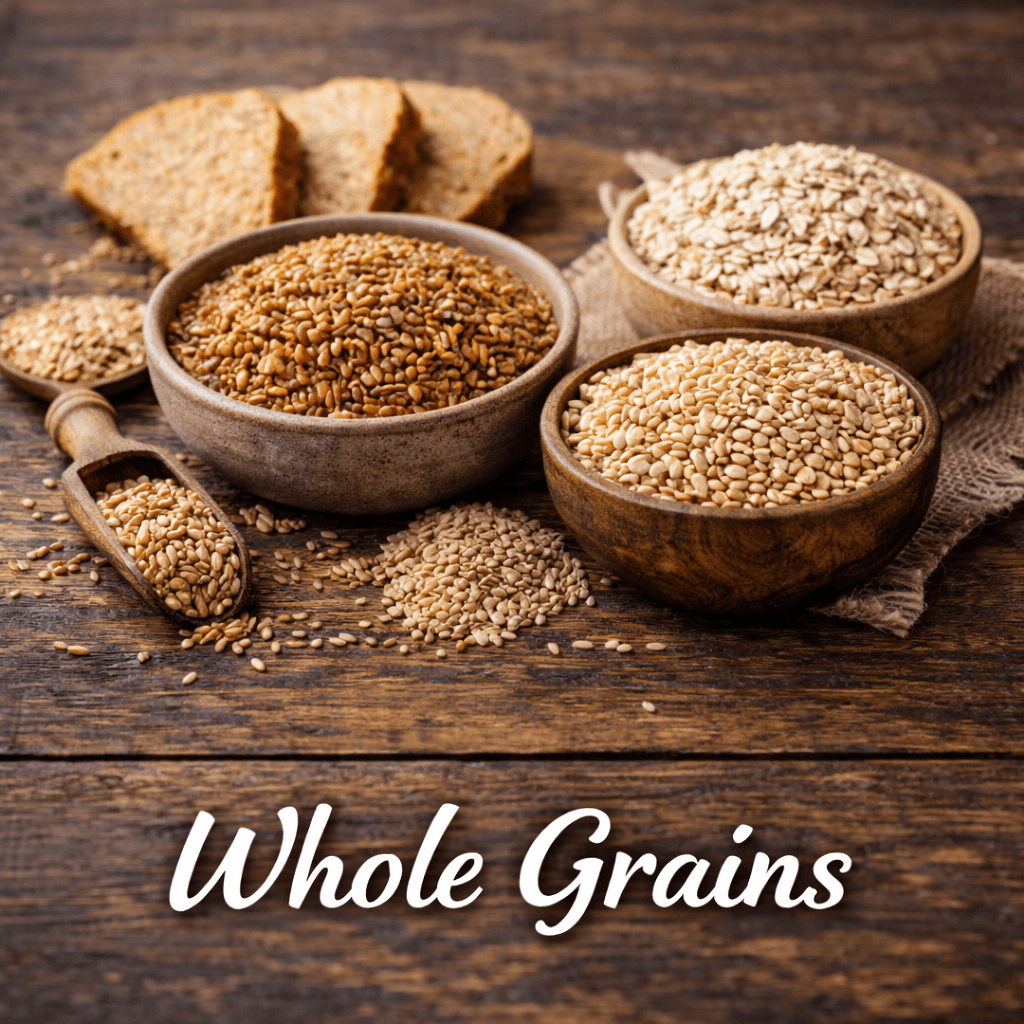
5. Whole Grains
Oats, quinoa, and brown rice supply complex carbohydrates and B vitamins that promote sustained energy and overall wellness. These improve hormonal balance, regulate blood sugar, and enhance egg and sperm quality. Including whole grains in daily meals is a simple step toward a natural infertility diet plan.
6. Legumes
Chickpeas, lentils, and kidney beans deliver essential nutrients that aid fertility. They promote hormonal harmony and better gamete quality, helping reduce ovulation-related fertility issues. Legumes can be enjoyed in salads, soups, or stews daily.

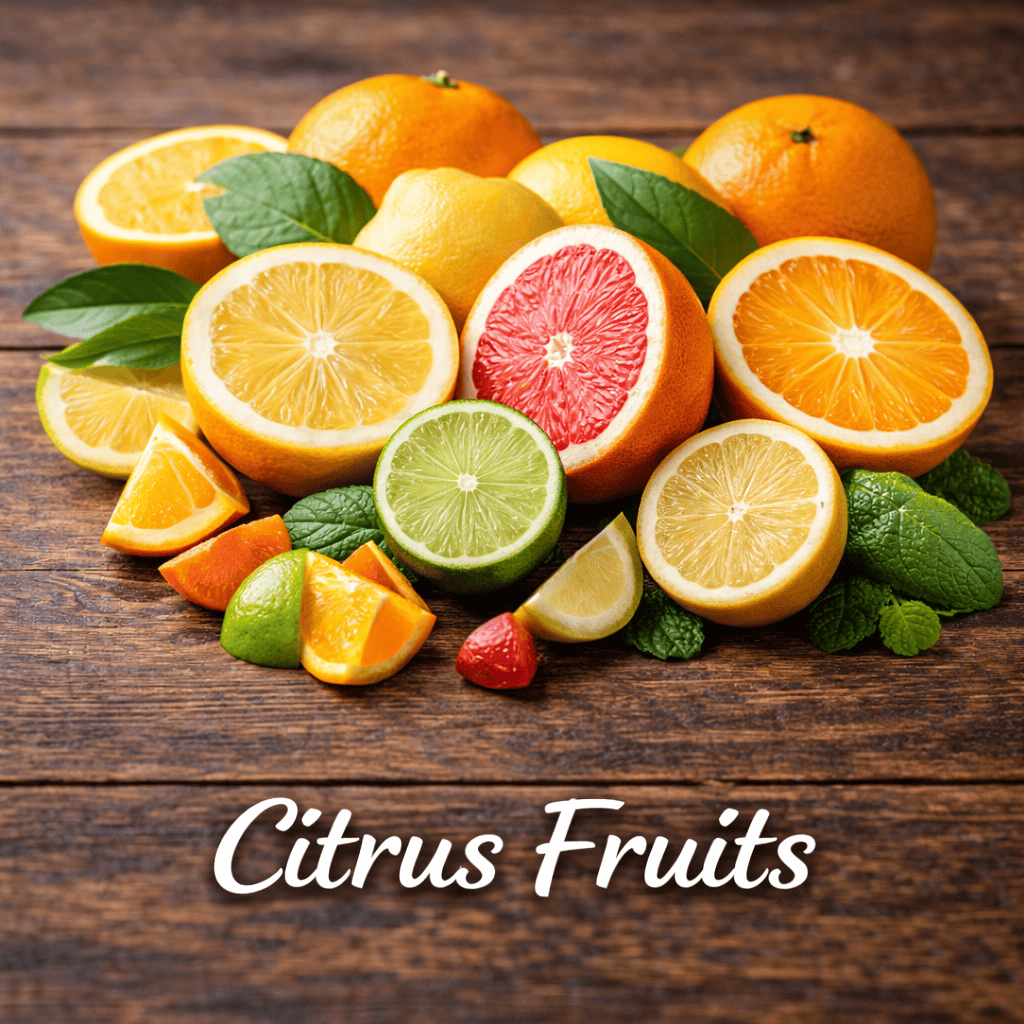
7. Citrus Fruits
Oranges, lemons, and guava are high in vitamin C and antioxidants. They support egg health, increase sperm movement, and maintain overall reproductive function. A daily citrus fruit can naturally improve fertility.
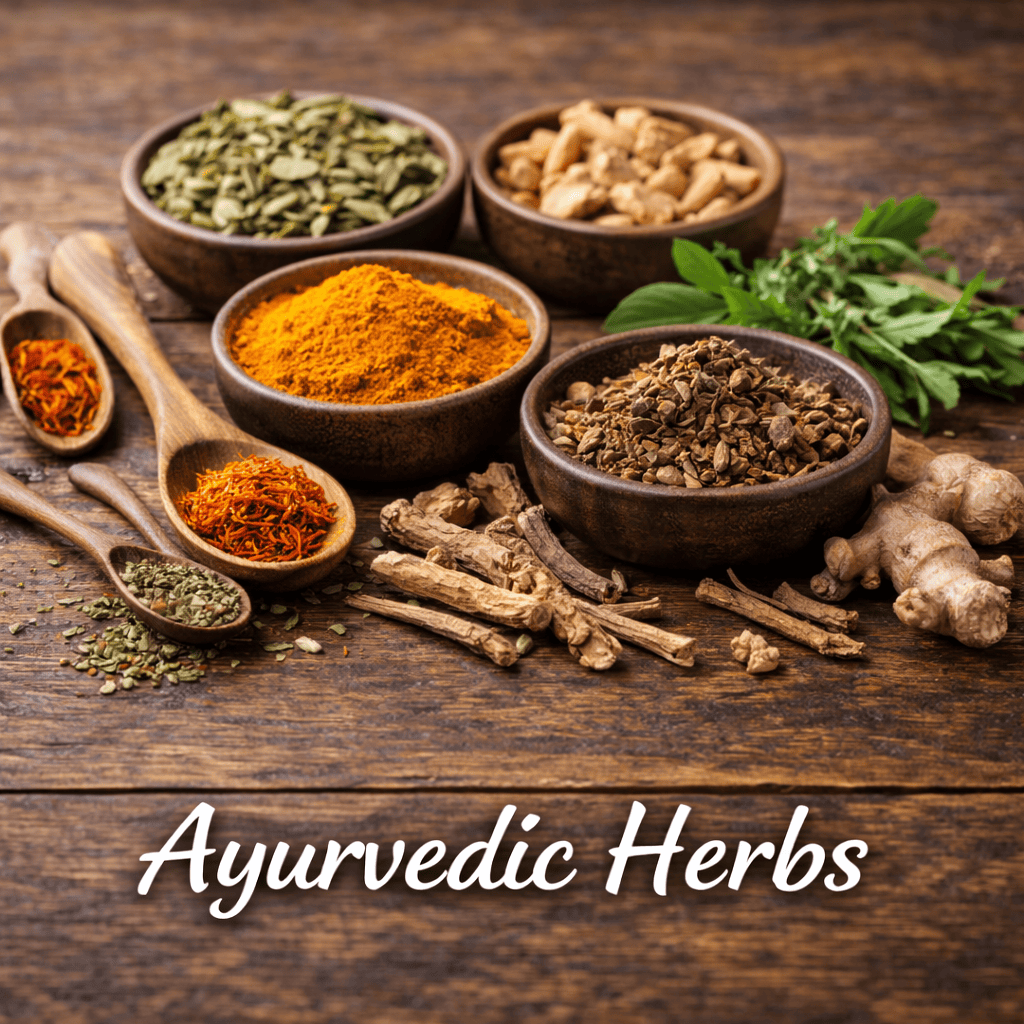
8. Ayurvedic Herbs
Ayurvedic herbs like ashwagandha, shatavari, and turmeric are known to enhance reproductive health. They support hormonal balance, lower stress, and strengthen fertility naturally. They can be consumed in herbal teas, milk alternatives, or under supervision as supplements.
Tips to Include Fertility-Boosting Foods in Your Diet
- Prepare colorful salads combining leafy greens, nuts, and berries.
- Use whole grains as a staple instead of refined grains.
- Include one citrus fruit and one serving of the legumes daily.
- Consider Ayurvedic herbs for the hormonal support.
- Avoid the processed foods, excess sugar, and refined oils.
Conclusion
A natural way to support fertility is through a carefully planned diet full of foods for infertility. At Jeena Sikho HiiMS, we suggest including leafy greens, berries, nuts, whole grains, legumes, citrus fruits, and Ayurvedic herbs to improve reproductive health in both men and women.
These foods help balance hormones, improve egg and sperm health, and enhance the chances of conception. Choosing a structured infertility diet plan to support fertility goals while elevating overall health.
By making these foods part of a daily routine, Jeena Sikho HiiMS assists couples on a safe, natural journey to parenthood. Contact us at +9182704-82704 or care@jeenasikho.com for guidance.
FAQs
1. What is infertility?
Infertility is when a couple cannot conceive after one year of regular, unprotected intercourse.
2. Can infertility affect both men and women?
Infertility concerns can originate from the male partner, the female partner, or a combination of both.
3. What are the common causes of infertility in women?
Hormonal imbalance, ovulation problems, age, and PCOS are common causes.
4. What causes male infertility?
Fertility can decline due to low sperm concentration, sluggish sperm movement, chronic stress, smoking, and an imbalanced diet.
5. How does diet impact fertility?
Eating nutrient-rich foods improves egg and sperm quality, hormonal balance, and reproductive health.

Disclaimer: The information provided on this blog is for general educational and informational purposes only. It is not intended to replace professional medical advice, diagnosis, or treatment. Always consult a qualified healthcare professional before making any changes to your diet, lifestyle, or treatment plan. Individual results may vary.