
High blood pressure is becoming very common in India today. Many people live with it without even knowing, and often come to know only when a serious problem starts. Busy lifestyle, daily stress, wrong eating habits, poor sleep, and lack of physical activity slowly disturb the body’s balance.
High blood pressure can slowly harm the heart, kidneys, brain, and blood vessels. It’s often called a silent problem because early signs are easy to miss. Though often thought to affect older adults, young and working people can have it too.
Long sitting hours, fast food, mental pressure, and irregular routine are major reasons. The good thing is that high blood pressure can be managed well if detected early. With proper care, healthy food habits, lifestyle changes, and correct BP high treatment, a person can live a normal life.
At Jeena Sikho HiiMS, blood pressure care focuses on finding the root cause and restoring overall body balance, not just controlling numbers. In this blog, we will explain the causes, symptoms, and safe treatment options for high blood pressure thoroughly.
Table of Contents
What is High Blood Pressure?
Blood pressure means the force with which blood flows inside the blood vessels. When this pressure increases more than normal, it is known as high blood pressure. This condition makes the heart work harder to pump blood throughout the body.
Slowly, this extra force damages the blood vessels and other organs. High blood pressure does not develop suddenly. It is a long-term condition that grows slowly because of daily habits, stress, and weak internal health. If it is ignored for a long time, it can lead to serious problems like heart disease, stroke, kidney failure, and even vision issues.
Causes of High Blood Pressure
Knowing the causes of high blood pressure helps a lot in controlling it. Some common reasons include:
- Too much salt in daily meals
- Regular intake of oily and junk food
- Mental stress and tension
- Very little physical activity
- Obesity and weight gain
- Smoking and alcohol habits
- Poor sleep routine
- Family history of BP problems
- Diabetes and kidney disorders
The modern lifestyle is one of the biggest reasons behind rising BP cases. Long office hours, mobile, and very little rest slowly affect the body system. Over time, these habits increase pressure in the blood vessels, and BP levels start going up.
High BP Symptoms
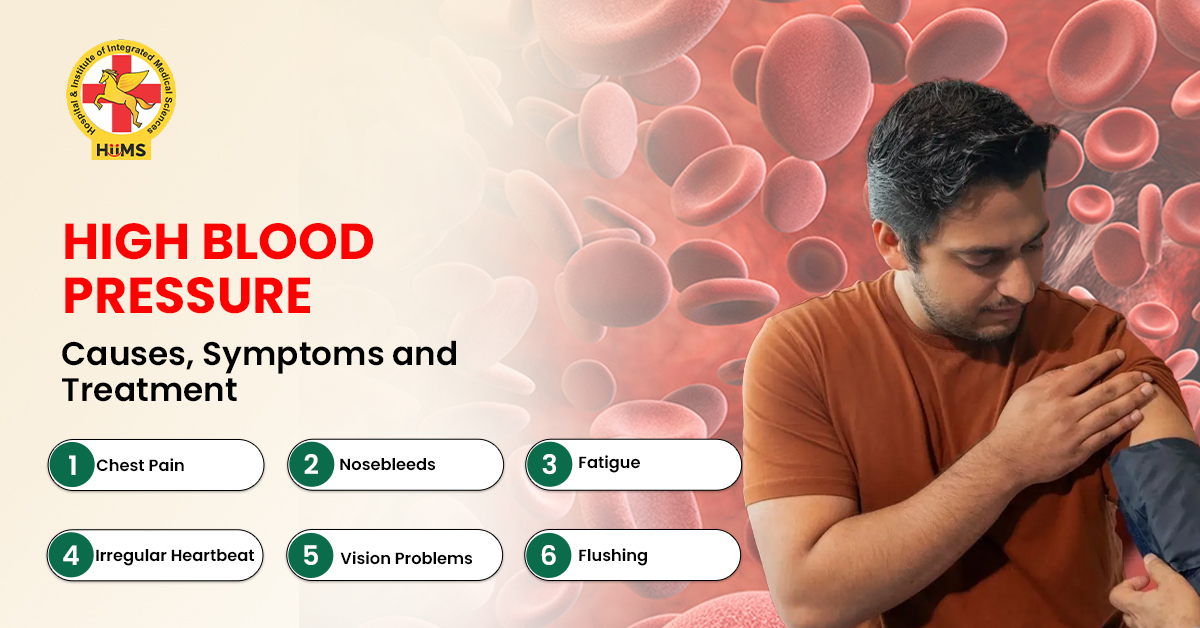
In many people, high blood pressure does not show any signs at first. But when it increases slowly, some high BP symptoms may appear, such as:
- Frequent headache
- Feeling dizzy
- Constant tiredness
- Heaviness in the chest
- Fast or uneven heartbeat
- Breathing difficulty
- Nose bleeding in some cases
- Anxiety or restlessness
- Blurred vision
Many people ignore these symptoms, thinking they are just weakness or stress. This delay can be harmful. Regular BP checkups are very important to catch the problem early.
Why High Blood Pressure is Dangerous
High blood pressure puts continuous pressure on all major organs. The heart gets tired, blood vessels become weak, and the kidneys may stop working properly. Brain-related problems like stroke can also occur. Eyesight may reduce and the daily energy level goes down.
If proper BP high treatment is not started on time, the condition becomes harder to control. That is why early diagnosis and regular monitoring are very important for long-term health.
Blood Pressure Chart
This blood pressure chart helps you understand what your readings mean. It shows how systolic and diastolic values are classified, from normal levels to high blood pressure stages and emergency conditions.
| Blood Pressure Category | Systolic (mm Hg) | Diastolic (mm Hg) |
|---|---|---|
| Healthy | Less than 120 | Less than 80 |
| Elevated | 120 to 129 | Less than 80 |
| Stage 1 Hypertension | 130 to 139 | 80 to 89 |
| Stage 2 Hypertension | 140 or higher | 90 or higher |
| Hypertension Crisis | Over 180 | Over 120 |
Role of a Blood Pressure Doctor
A trained blood pressure doctor helps manage high BP by finding the root causes, not just checking readings. They review tests, lifestyle, and health history, and guide patients on medicine, diet, salt intake, daily routine, stress, exercise, and sleep. Regular follow-ups keep blood pressure under control and lower the risk of complications.
Importance of a BP Hospital
A good BP hospital is more than a place to measure BP. It is where complete body health is taken care of. Proper tests, correct diagnosis, and long-term treatment plans are made according to the patient’s condition. BP is monitored regularly, and treatment is adjusted when needed.
In such hospitals, care is also given to heart health, kidney function, digestion, and mental health. This complete approach helps in a safer and more stable recovery.
Natural Methods for BP High Treatment at Jeena Sikho HiiMS
At Jeena Sikho HiiMS, treatment follows a gentle and natural healing approach. Acharya Manish Ji shares steps to help manage high blood pressure.
Hydrotherapy
Hydrotherapy uses warm and cold water to improve circulation, relax muscles, reduce stress, and support the nervous system, serving as an effective high BP treatment.
- Lower Leg Hot Water Immersion: The lower legs are immersed in hot water at 42°C for 45–60 minutes, followed by a brief 4-minute cold water immersion.
- Hot Water Immersion: Immerse your body in hot water at 42°C for up to 45 minutes.
Breathing therapy
Controlled breathing techniques help calm the nervous system, reduce stress, improve oxygen flow, and support healthy blood pressure levels naturally.
- Left Nostril Breathing: Close the right nostril and breathe through the left to calm the nervous system and reduce stress.
- Alternate Nostril Breathing (Anulom Vilom): Breathe alternately through both nostrils to improve oxygen flow and help regulate blood pressure.
Panchkarma therapy
It is a five-step detox therapy that removes accumulated toxins from the body.
- Vamana: Toxins are cleared through a supervised and controlled vomiting process.
- Virechana: Harmful substances are expelled from the body.
- Basti: Toxins are eliminated from the body through the administration of herbal oils and medicines via the rectal route.
- Nasya: It aims to purify and rejuvenate the head and neck region by delivering herbal oils or powders through the nasal passage.
- Raktamokshana: It is a regulated blood-cleansing procedure designed to remove impurities and improve circulation.
Herbal Remedies
The use of herbal formulations helps support treatment for high BP, manage blood pressure, and promote better heart health. It commonly includes herbs such as:
- Ashwagandha: Reduces stress and balances cortisol levels.
- Shankhapushpi: Eases anxiety and promotes relaxation.
- Arjuna: Supports overall cardiac health.
Prevention of High Blood Pressure
Prevention always works better than cure. Some simple steps include:
- Eating healthy food,
- Reducing salt intake,
- Avoiding junk food,
- Walking daily,
- Sleeping on time,
- Managing stress,
- Drinking enough water,
- Regular BP checking,
- Avoiding smoking and alcohol,
These small habits help protect the heart and keep blood pressure within normal range.
Conclusion
High blood pressure is a serious but controllable health problem. With early care and proper high BP treatment, you can stay healthy and active. Knowing the causes and acting early helps prevent serious health problems.
Support from a qualified doctor, proper care, and a healthy lifestyle are essential. Start your journey to healthy blood pressure-consult Jeena Sikho HiiMS for personalized guidance and natural care.
Contact us at +91 82704-82704, or email care@jeenasikho.com

FAQs
1. Can young people have high blood pressure?
It can affect people of all ages, not just older adults.
2. What causes high blood pressure?
Stress, unhealthy diet, lack of exercise, poor sleep, and genetics.
3. Why is high blood pressure dangerous?
It can damage the heart, kidneys, brain, and eyes over time.
4. Can high BP be treated without medicines?
Lifestyle changes, diet, exercise, and holistic care help manage BP naturally.
5. What lifestyle changes help control BP?
Regular walking, exercise, yoga, proper sleep, and avoiding junk food.
Disclaimer: The information provided on this blog is for general educational and informational purposes only. It is not intended to replace professional medical advice, diagnosis, or treatment. Always consult a qualified healthcare professional before making any changes to your diet, lifestyle, or treatment plan. Individual results may vary.