
Cancer care is evolving. More patients now look beyond conventional treatment alone, seeking safe, supportive therapies rooted in a traditional Indian system of medicine. One such approach from Ayurveda is Langhan Chikitsa-a set of therapeutic lightening strategies that may help cancer patients manage symptoms and regain digestive balance. But what does Ayurveda actually say about applying langhana during cancer, and when is it safe?
Table of Contents
Quick Answer: Can Langhan Chikitsa Help Cancer Patients?
Langhana Chikitsa refers to therapies designed to reduce heaviness in the body, rekindle digestive fire (Agni), and clear accumulated metabolic waste (Ama). In Ayurveda, it is one of six fundamental therapeutic actions and includes diet modification, therapeutic fasting, and gentle reducing therapies. The objective of Langhana is to reduce digestive discomfort without reducing nutrition-a critical distinction for cancer patients whose bodies are already under significant stress.
Langhana should not be used as a cancer treatment on its own. Ayurvedic principles should support symptom management rather than replace conventional treatments like chemotherapy, radiation therapy, or surgery. At Jeena Sikho HiiMS, langhana is applied as part of a holistic approach that combines Ayurvedic dietary guidance, herbal medicines, lifestyle modifications, and mind-body practices- all personalized for each patient’s condition, strength, and ongoing anticancer treatment.
- Langhana supports digestion and helps ease treatment side effects such as bloating, nausea, and heaviness.
- It aims to reduce toxins (Ama) and restore metabolic balance, not starve the body.
- It is always coordinated with the oncologist and never replaces standard cancer treatment.
- At Jeena Sikho HiiMS, langhana protocols are graded and monitored, shifting to nourishing therapies when needed.
Ayurvedic View of Cancer and the Role of Langhana
Ayurvedic practitioners view tumors as disorders involving profound imbalances across the body’s systems of medicine. Classical Ayurveda describes cancer-like conditions using terms that, while not identical to modern oncology, map onto recognizable patterns:
- Arbuda (solid tumor/mass), Granthi (cystic swelling), and Gulma (abdominal mass) are linked to aggravated Kapha (growth and accumulation) and Pitta (inflammation and heat).
- Cancer disrupts the balance of Vata, Pitta, and Kapha doshas, impairs Agni, and leads to Ama buildup in body tissues (Dhatus).
- Imbalances in Kapha and Pitta are linked to lung cancer and breast cancer, while Vata dominance may relate to tissue spread.
- Ayurvedic practices aim to restore balance among the doshas, addressing tumor formation and chronic inflammation through multiple therapeutic strategies.
Modern integrative oncology researchers correlate these Ayurvedic concepts with metabolic inflammation, gut dysbiosis, and immune dysregulation-without claiming exact biomedical equivalence.
Within the Shadupakrama (six therapeutic actions), Langhana sits opposite Brimhana (nourishing therapy). Its purpose is to lighten the body, reduce pathological accumulation, and rekindle Agni. In cancer patients, langhana is never applied as extreme starvation. It is adapted based on each individual’s overall strength (Bala), disease stage, and current conventional treatment schedule.
Types of Langhan Chikitsa Relevant to Cancer Care
Not all forms of langhana are appropriate during active cancer treatment. Here are the practical types that may be considered under qualified supervision:
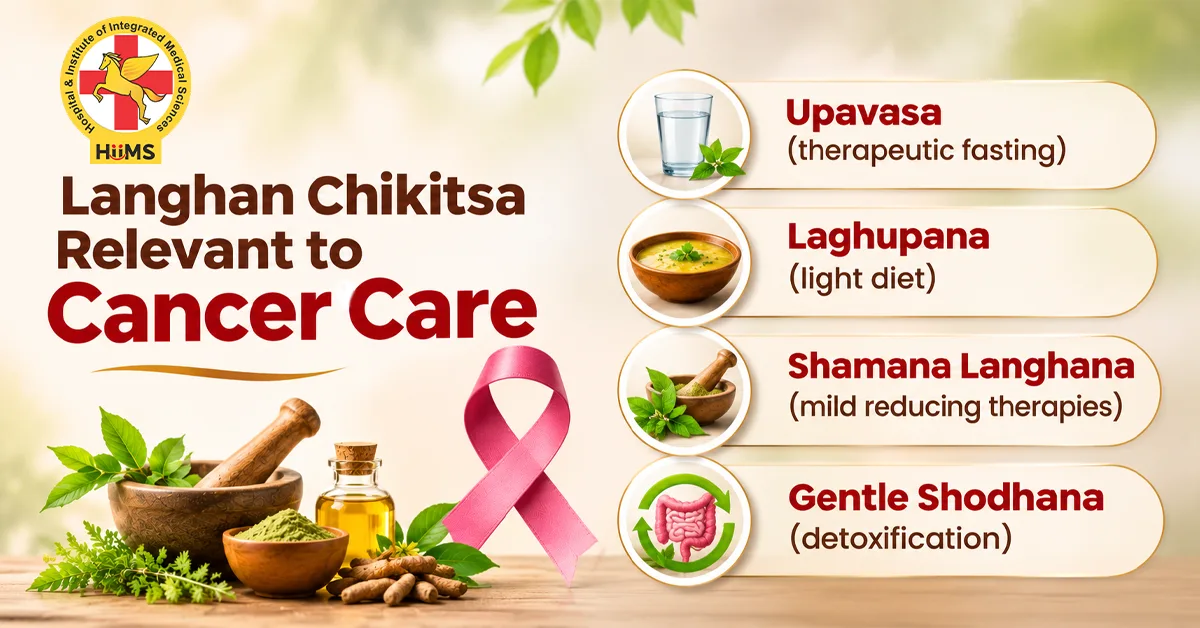
- Upavasa (therapeutic fasting): Short, partial fasts-skipping one meal or eating only liquids for a day-used only when the patient has adequate strength and treatment toxicity is minimal.
- Laghupana (light diet): Shifting to easily digestible, semi-solid or liquid foods such as warm vegetable soups, diluted buttermilk, and thin gruels.
- Shamana Langhana (mild reducing therapies): Using select ayurvedic herbs and light foods for gentle dosha pacification without aggressive fasting.
- Gentle Shodhana (detoxification): Mild cleansing procedures only during remission or between treatment cycles. Panchakarma is a key detoxification therapy in Ayurveda, though detoxification therapies aim to restore dosha balance and must be substantially modified for cancer patients. Ayurvedic detoxification may include bowel cleansing and enemas, but only when clinically safe.
Langhana therapies must be adapted for patients undergoing cancer treatment. Long dry fasts, strong purgation, and repeated emesis are generally avoided during active chemotherapy. Gentle Langhana approaches aim to clear metabolic blockages without compromising the body’s natural healing mechanisms.
At Jeena Sikho HiiMS, doctors prefer graded langhana protocols-starting with small changes in meal volume, timing, and food density rather than sudden strict fasting.
Langhana, Agni and Ama: Why Lightening Helps in Ayurveda
Patients may experience reduced digestive tolerance during cancer treatment. Chemotherapy, radiation therapy, and heavy medication often cause weak appetite, bloating, nausea, and digestive issues. Ayurveda interprets these as signs of disturbed Agni (digestive fire) and Ama accumulation.
The Ayurvedic logic works as follows:
- Heavy, oily, processed foods and overeating aggravate Kapha and generate more Ama, especially when Agni is already weak.
- Mild langhana with warm, light meals helps the body focus on repair and detoxification rather than struggling to digest dense food.
- Langhana can improve metabolism and eliminate toxic metabolic waste, supporting better tolerance of cancer treatment.
- Light, digestible meals are recommended for cancer patients to manage symptoms like nausea and heaviness.
Concrete langhana-oriented meals might include:
- Morning: Thin rice gruel with a little rock salt and ghee for very weak patients.
- Midday: Soft mung dal–rice khichdi with steamed cooked vegetables. Easily digestible foods like khichdi are recommended during treatment.
- Evening: Vegetable soup or thin moong broth with ginger and cumin.
Langhana should be combined with nutritional rehabilitation in cancer care. If a patient becomes very weak, loses excessive weight, or develops severe neutropenia, the physician shifts focus from langhana to Brimhana (nourishing) therapies. Nutrition should focus on preserving muscle strength and immunity at every stage.
Ayurvedic Diet and Langhan-Based Cancer Nutrition
A langhan-oriented ayurvedic diet is not calorie starvation. It is a thoughtfully planned approach tailored to body type (prakruti), cancer stage, and current treatment. Ayurveda focuses on restoring balance through food as medicine.
Key ayurvedic dietary practices during langhana include:
- Ayurvedic diets emphasize fresh, whole foods for cancer patients-sattvic, freshly cooked, and mild.
- Ayurvedic diets avoid processed and refined foods to reduce inflammation. Minimize deep-fried snacks, refined sugar, and packaged items.
- Use gentle spices-turmeric, ginger, cumin, coriander-to support Agni without irritating the gut.
- Regular meal times and mindful eating improve digestion in cancer patients. Smaller, frequent meals work better than large, heavy ones.
- Maintaining adequate hydration is important during cancer treatment. Warm water or herbal teas (holy basil, coriander, fennel) between meals are preferred.
- Soft millet or red rice, whole grains, and cooked pulses instead of refined wheat.
- Stewed fruits like cooked apples or pears for easy digestion.
- Avoid ice-cold drinks, dairy products that feel heavy, and overly spicy foods that disturb digestion.
This ayurvedic dietary plan can complement standard cancer nutrition advice from hospital dietitians. Ayurveda emphasizes fresh, whole foods for cancer patients and includes diet as a core therapeutic tool, not an afterthought.
Herbal and Ayurvedic Formulations Used Alongside Langhana
In Ayurveda, langhana is often combined with carefully selected herbal remedies and ayurvedic formulations. These are not claimed as cures but as valuable support for the healing process:
- Guduchi (Tinospora cordifolia): Known for immune modulation and supporting healthy blood cells.
- Amalaki (Indian gooseberry): Rich in antioxidants with anti inflammatory properties that support immunity.
- Triphala in gentle doses: Known for its detoxifying properties in Ayurveda and supports bowel regularity. Some herbal extracts from Triphala also show anti cancer properties in preliminary research.
- Chyawanprash: An ayurvedic formulation that boosts immunity. Chyawanprash boosts immunity and supports lung cancer treatment as part of broader cancer care protocols.
- Turmeric and ginger are commonly used anti-cancer ayurvedic herbs with well-documented anti inflammatory properties.
- Yavagu-based medicated gruels during convalescence for gentle nourishment.
Safety cautions are essential. Some herbal medicines can interact with chemotherapy or radiation therapy, affecting drug absorption or immune system function. Only qualified Ayurvedic physicians should prescribe formulations after reviewing medical reports. At Jeena Sikho HiiMS, the priority is on simple, evidence-aligned formulations rather than heavy metal–based or overly complex combinations during active treatment.
When Langhan Chikitsa Is Helpful vs. When It Is Not
Mild langhana may be considered helpful when:
- The patient has early-stage disease with good strength and appetite.
- Overweight or metabolic syndrome coexists with cancer.
- Post-chemotherapy bloating, heaviness, or indigestion needs management (once acute toxicity has resolved).
- A short, planned phase between treatment cycles can help reset digestion. Ayurvedic detox methods can help manage cancer treatment side effects in this window.
Langhana is generally avoided when:
- The patient is experiencing weight loss or cachexia. Patients experiencing weight loss should not be placed on a restrictive diet.
- Ongoing aggressive chemotherapy, bone marrow suppression, or post-major surgery recovery is underway. Prolonged fasting can worsen nutritional deficiencies during cancer treatment.
- Uncontrolled vomiting, diarrhea, or dehydration is present-these are health problems that demand nourishment, not restriction.
- The patient is a frail elderly individual or has multiple organ involvement.
Jeena Sikho HiiMS physicians assess Bala, lab parameters (hemoglobin, albumin, neutrophil count), and the current oncologist plan before starting any langhana protocol.
Evidence, Safety and the Integrative Perspective
Ayurveda offers a holistic approach to cancer care, and ayurvedic treatments can improve quality of life for cancer patients. However, current evidence requires honest acknowledgment.
Organizations like the American Cancer Society and the National Center for Complementary and Integrative Health recognize that alternative and complementary medicine may help with symptom management but caution against unregulated products. Careful monitoring is necessary when integrating Ayurvedic approaches with standard oncology care. A recent feasibility study at I-AIM Bangalore among 33 cancer patients showed that integrating Agni assessment with standard nutrition guidelines is possible, though more systematic review and robust clinical trials are needed.
- Clinical research on langhan chikitsa specifically in cancer patients remains limited.
- Small studies on modified fasting and time-restricted feeding in clinical oncology suggest possible benefits but require larger trials.
- Ayurvedic approaches should be coordinated with the treating oncologist. All herbal and dietary changes must be disclosed.
- Ayurvedic dietary changes support cancer treatment and improve immunity when properly supervised.
At Jeena Sikho HiiMS, integrative medicine means never asking patients to choose between Ayurveda and their oncology care. The goal is to support cancer treatment, reduce adverse effects, and improve quality of life-not to treat cancer through Ayurvedic remedies alone.
How Jeena Sikho HiiMS Personalizes Langhan Chikitsa for Cancer Patients
At Jeena Sikho HiiMS, every cancer patient receives a unique combination of assessment and care planning. The typical journey includes:
- Detailed history review
- Dosha and dhatu assessment (prakruti–vikruti analysis) to understand constitutional tendencies.
- Nutritional status check: weight trends, muscle loss, appetite, bowel habits, and lab values.
- Discussion with patient and family about goals-whether symptom relief, better sleep, emotional balance, or overall well being.
A personalized plan might include:
- A mild langhana phase with an Ayurvedic diet plan, adjusted meal timings, and lighter foods.
- Supportive Ayurvedic treatments: select herbal formulations, gentle detoxification therapies when appropriate.
- Lifestyle guidance: rest, gentle yoga, breathing exercises, and pranayama, because yoga and meditation can reduce stress and support mental well-being in cancer patients.
- Regular monitoring with scope to shift from langhana to brimhana as overall vitality changes.
Care delivery modes include in-hospital IPD care, OPD consultations, virtual consultations, and HiiMS @ Home for patients receiving oncology care elsewhere. This integrative oncology model ensures that complementary medicine works alongside-not against-conventional treatment.
If you are exploring langhana as part of your cancer care, here are practical guidelines:
Do’s:
- Always discuss any fasting or reducing diet with your oncologist and Ayurvedic physician before starting.
- Start small: lighter dinners, avoiding late-night heavy meals, slightly smaller portions. These lifestyle factors make a real difference.
- Monitor energy, weight, and bowel habits. Report concerning changes quickly.
- Focus on maintaining health through balanced, sattvic nutrition and reduce stress with gentle practices.
Don’ts:
- Do not stop or delay chemotherapy, radiation therapy, surgery, or any conventional treatment in favor of langhan chikitsa or any Ayurvedic treatment.
- Do not use unknown over-the-counter Ayurvedic medicines claiming to “cure” cancer cells. Unverified herbal medicines may contain contaminants.
- Avoid online, one-size-fits-all fasting routines. Breast cancer treatment needs differ from alleviating treatment side effects in other cancers-personalization matters.
Ayurveda, as a system of medicine, can boost immunity, improve quality of life, support the immune system, and help you manage your overall health during one of life’s most challenging journeys. But the best outcomes in oncology care come when Ayurvedic perspectives and conventional treatment work together.
Consider booking a consultation with Jeena Sikho HiiMS to understand whether langhana fits your specific diagnosis, stage, and treatment plan. Carefully supervised lifestyle and diet changes, rooted in authentic Ayurvedic principles, can make your cancer journey more manageable-without ever replacing the treatments that save lives.
FAQ’s
1. What are the early signs of kidney disease?
Early signs of kidney disease may include swelling in the feet or ankles, frequent urination (especially at night), fatigue, foamy urine, blood in the urine, loss of appetite, and difficulty concentrating. Many people experience no symptoms in the early stages, making regular health check-ups important.
2. Who is at a higher risk of developing kidney disease?
People with diabetes, high blood pressure, obesity, heart disease, a family history of kidney disease, or those over the age of 60 have a higher risk. Smoking and long-term use of certain pain medications may also increase the risk.
3. When should I seek medical advice for kidney disease?
You should seek medical advice if you notice persistent swelling, blood in your urine, changes in urination, unexplained tiredness, or high blood pressure that is difficult to manage. Early evaluation can help identify the underlying cause.
4. Can kidney disease be prevented?
While not all cases can be prevented, maintaining a healthy lifestyle may help reduce the risk. Eating a balanced diet, staying hydrated, exercising regularly, managing blood sugar and blood pressure, avoiding tobacco, and getting regular health check-ups can support kidney health.
5. Which tests help detect kidney disease early?
Doctors may recommend blood tests (such as serum creatinine and eGFR), urine tests to check for protein or blood, blood pressure monitoring, and imaging tests like an ultrasound if needed. These tests can help assess kidney function and detect potential problems early.
Ayurvedic Cancer Care Products
100% natural, certified Ayurvedic formulations crafted for targeted cancer wellness.


Disclaimer: The information provided on this blog is for general educational and informational purposes only. It is not intended to replace professional medical advice, diagnosis, or treatment. Always consult a qualified healthcare professional before making any changes to your diet, lifestyle, or treatment plan. Individual results may vary.