
Diabetes Ayurvedic treatment brings together traditional therapies, herbal formulations, food guidelines and modern lab tests, so the focus stays on why type 2 diabetes develops instead of only on the sugar reading. At Jeena Sikho HiiMS, doctors follow progress through reports such as HbA1c, fasting blood sugar and lipid profile, while building each plan around the patient’s own dosha balance. This blog deals with type 2 diabetes and prediabetes.
Can Ayurveda reverse diabetes? In prediabetes and early type 2 diabetes, randomised controlled trials have found that Ayurvedic herbs along with lifestyle changes can bring HbA1c down by 0.5 to 2.0 percentage points in 90 days, and some patients return to the non-diabetic range.
According to the hospital’s own records, 70% of patients at Jeena Sikho HiiMS reached diabetes recovery within 6 months, one patient’s HbA1c fell from 11.2 to 5.7 in 9 months, and over 90% kept their sugar under control after treatment. When diabetes is long-standing and has already caused complications, the goals are more cautious: lower medicine doses, better metabolic health and protection of the organs, all under medical supervision.
This blog is meant for people already taking diabetes medicines recently or for years, for those who have been told they have “borderline sugar,” and for family members looking at integrative options. It explains:
-
- How Ayurveda describes and classifies diabetes (Prameha/Madhumeha)
- Which Ayurvedic therapies have peer-reviewed clinical data behind them
- The herbs, Panchakarma procedures and diet rules used in evidence-based diabetes care
- How a treatment plan at Jeena Sikho HiiMS moves from the first consultation to complete recovery monitoring
- Practical ways to handle the problems most patients meet during treatment
Understanding Diabetes in Ayurveda and Modern Medicine
Modern medicine explains diabetes through blood glucose and other measurable markers. But Ayurveda describes the same condition as Prameha and Madhumeha, a disorder that starts with weak digestion, a build-up of toxins and an imbalance in fat tissue. And knowing both sides helps you see what is driving your condition and which treatment targets which cause.
Diabetes Mellitus in Modern Medicine
Doctors diagnose type 2 diabetes when fasting plasma glucose is 126 mg/dL or higher, when the two-hour reading after an oral glucose tolerance test reaches 200 mg/dL or more, or when HbA1c is 6.5% or above. Prediabetes falls just below that line, with HbA1c between 5.7% and 6.4% and fasting sugar between 100 and 125 mg/dL. Type 1 diabetes, where the immune system destroys insulin-making cells, and gestational diabetes, which comes from insulin resistance in pregnancy, are different conditions and need different primary care.
Several things contribute to type 2 diabetes. Body cells stop responding well to insulin, the pancreas slowly wears out, extra belly fat keeps the body in a state of inflammation, and glucose metabolism gets disturbed. Over the years this damages blood vessels and can lead to nerve damage, kidney problems, eye disease, heart disease and fatty liver.
Do you know?
In India, 90–95% of diabetes cases are type 2, and the country carries one of the heaviest diabetes loads in the world, according to the International Diabetes Federation (IDF).
And medicines like metformin, sulfonylureas and insulin do control blood sugar symptoms and lower the risk of complications. What medicines cannot do alone is fix the habits that keep insulin resistance alive, such as poor food choices, a sedentary lifestyle, stress and bad sleep. That gap is where an integrative approach helps most.
Diabetes as Prameha and Madhumeha in Ayurveda
Ayurveda groups diabetes under Prameha and Madhumeha. Prameha covers a set of urinary disorders with frequent urination (Prabhuta Mutrata) and cloudy urine (Avil Mutrata). Madhumeha is the type closest to type 2 diabetes, and its name comes from urine that looks and tastes like honey. Ayurveda links it to poor digestion and a collection of metabolic toxins in the body.
The Ayurvedic texts categorise 20 kinds of Prameha: 10 led by Kapha, 6 by Pitta and 4 by Vata. Madhumeha falls in the Vata group and is seen as the most advanced stage when earlier forms are ignored.
And this is important in health care, because a Kapha-type patient who is overweight, has slow digestion and high cholesterol needs different herbs and therapies than a lean, anxious Vata-type patient whose sugar keeps fluctuating.
Several Ayurvedic ideas match what modern science describes:
-
-
- Agni (digestive and metabolic fire): when it weakens, the body processes glucose and nutrients poorly
- Ama (metabolic toxins): this lines up with chronic, low-grade inflammation in the body
- Meda dhatu (fat tissue): its excess is similar to belly fat and the fat-cell problems that lead to insulin resistance
- Ojas (vital essence): when it goes down, it reflects the oxidative stress and low cellular energy seen in poorly controlled diabetes
-
The causes are of two kinds: Sahaja (inherited) and Apathyanimittaja (अपथ्य निमित्तज) caused by poor diet & lifestyle. Heavy, sweet and oily foods, a sedentary routine, too much sleep and long-term mental stress are all named as triggers, and these are very close to the risk factors doctors list today.
Why an Integrative Approach is Important
When a doctor uses modern tests along with Ayurvedic assessment, then the overall picture becomes clearer. HbA1c, lipid profile, body mass index and waist size give clear numbers to track. The Ayurvedic side shows which dosha pathway is disturbed, how strong your digestion is and how much Ama has collected. Combining Ayurveda with traditional treatment is advised so that diabetes care stays safe.
At Jeena Sikho HiiMS, this integrated care means each patient’s plan includes a personalized diet, herbal medicines, Panchakarma, yoga and changes in daily routine. To make the plan personal, the doctor first studies your constitution (प्रकृति) and your present imbalance (विकृति).
Want a diabetes care plan built around your body type?
How Ayurvedic Physicians Assess a Diabetes Patient
At Jeena Sikho HiiMS, no two diabetes patients get the same kind of protocol and treatment. The assessment goes well beyond a sugar report. It looks at your body type, your current dosha disturbance, your habits, your risk of complications and how ready you are for treatment. It can be done in person at the Jeena Sikho HiiMS’ OPD or IPD, or through a virtual consultation (VOPD) if you want consultation from your home.

Prakriti and Vikriti: Your Metabolic Blueprint
Ayurveda plans treatment around your dosha balance and lifestyle. Prakriti is your natural constitution, fixed at birth. Vikriti is the imbalance you have right now. The physician checks both, which explains why two people with the same HbA1c can need different treatment.
Let’s take two examples. A 45-year-old desk worker with a Kapha-dominant body type, extra weight, high cholesterol and slow digestion would fit the description of Kaphaja Prameha. Here, the treatment leans toward weight loss, strong detox and cutting down on heavy, sweet foods.
Now, a 32-year-old with a Vata-dominant build, a lean frame, high stress, poor sleep and uneven blood sugar shows a Vataja pattern. This person needs a calmer nervous system, nourishing therapies instead of draining ones, and relaxation methods before any strong intervention.
See how scientific, logical and personalised Ayurveda is. It sees the patient’s physiology first and then makes the plan accordingly.
Long hours of sitting, processed food, late dinners and constant stress push Vikriti toward Prameha, whatever your Prakriti is. Catching these changes early decides whether the approach is preventive (for prediabetes) or corrective (for established diabetes).
Clinical Examination and Diagnostic Tools
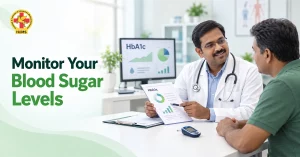
The Ayurvedic doctor at Jeena Sikho HiiMS does a traditional classical examination along with modern diagnostic tools. It includes Nadi Pariksha (pulse reading to evaluate dosha activity), Jihva Pariksha (tongue examination for Ama and digestive strength), Netra (eye assessment), skin evaluation and careful abdominal palpation. The doctor also takes a detailed history of your food, sleep and activity.
These findings are combined with modern tests done at the start and repeated at set intervals:
-
-
- Fasting blood sugar (FBS) and post-prandial blood sugar (PPBS)
- HbA1c (glycated hemoglobin)
- Complete lipid profile (total cholesterol, LDL, HDL, triglycerides)
- Liver function tests (LFT) and kidney function tests (KFT)
- Body mass index and waist-hip ratio
- Blood pressure and ECG when needed
- In selected cases, fasting insulin, C-peptide or HOMA-IR to measure insulin resistance
-
With these markers, the healthcare team can see whether the treatment is truly changing your blood sugar, your metabolism and the safety of your organs.
Risk Stratification and Complication Screening
Jeena Sikho HiiMS places patients in three groups: prediabetes (HbA1c 5.7–6.4%), early type 2 diabetes (diagnosed in the last 5 years, no complications) and long-standing diabetes with existing complications. Before starting intensive and advanced therapies like Panchakarma, doctors screen for nerve damage, eye disease, kidney disease, heart risk and fatty liver. Patients with unstable vitals, advanced kidney disease or active heart problems get gentler, modified protocols.
Once the root imbalance and the level of risk are clear, a proper treatment plan can be designed.
Core Pillars of Ayurvedic Treatment for Diabetes
Jeena Sikho HiiMS builds diabetes care on four pillars: Ahara (therapeutic diet), Vihara (lifestyle, exercise and stress control), Aushadhi or Shaman (herbal and classical medicines) and Shodhana (cleansing procedures, mainly Panchakarma). Depending on how severe the condition is, whether complications exist and how ready the patient is, care can be home-based, day-care or inpatient (needs admission).
Therapeutic Diet (Ahara) for Blood Sugar and Metabolism
A balanced diet includes whole grains and fiber-rich foods. Ayurveda recommends these for diabetes, and meals are planned around low refined carbohydrates, enough protein, healthy fats and plenty of fiber. Eating at fixed times helps keep blood sugar steady, and the core idea is to match meals with the body’s natural rhythm (circadian clock), bigger meals earlier in the day and a light dinner before sunset.
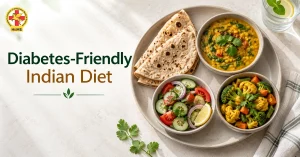
For Indian patients, the changes are simple and familiar. Swap polished rice for foxtail or barnyard millet, add fenugreek (methi) powder to roti dough, eat more seasonal vegetables and keep fruit to low-glycemic choices in small portions. Cooked vegetables and broken wheat have a place in the diet too. Processed food is best avoided, so deep-fried, salty and packaged snacks are dropped.
Obese patients lose weight through calorie control and portion control. Underweight or elderly patients get a diet rich in nutrients but not heavy in carbohydrates. At Jeena Sikho HiiMS, dietitians prepare individual diet charts, follow up on WhatsApp or call, and run group sessions to help people build habits that last.
Daily Routine, Exercise, and Stress Management (Vihara)
The Ayurvedic daily routine (Dinacharya, दिनचर्या) for diabetes recommends that you wake early, drink warm water, do some light movement before breakfast, eat at regular times, finish dinner by 6:00-7:00 PM (before sunset) and cut screen time before bed (at least before 1 hour to 45 minutes). Each step has a purpose. Morning activity improves insulin sensitivity, regular meal timing steadies glucose, and less screen time helps melatonin and sleep.

Physical Activity
Regular activity improves how the body uses insulin. The usual targets are 7,000-8,000 steps a day with brisk walking, 150 minutes of moderate exercise a week, and simple strength work such as bodyweight squats or resistance bands two to three times a week. Intensity is adjusted for your age, joints and heart condition.
Yogasanas & Pranayama
Ayurveda also recommends yoga to improve metabolism. Yoga Asanas such as Mandukasana, Ardha Matsyendrasana and Paschimottanasana work on the abdominal organs and support insulin function. Pranayama like Anulom Vilom and Bhramari lowers stress hormones that make insulin resistance worse. An Indian prediabetes study found that adding yoga to lifestyle changes lowered the three-year chance of developing type 2 diabetes compared with lifestyle changes alone.
Good Sleep
Sleep cannot be skipped. Less than six hours, or broken sleep, can increase fasting glucose and weaken insulin response within a few days. Every diabetes plan at Jeena Sikho HiiMS includes a sleep check and an Ayurvedic sleep routine.
Ayurvedic Medicines and Evidence-Based Herbal Support (Aushadhi or Shaman)
Jeena Sikho HiiMS uses classical Ayurvedic formulations and standardized herbal extracts, not any kind of unregulated home mixtures. Herbs are an important part of Ayurvedic diabetes care and help regulate blood sugar. Research also suggests some of them support glucose control, but they do not replace medication. Here are the key herbs and what they are known to do:

-
-
- Gudmar (Gymnema sylvestre): Called the “sugar destroyer” because it can reduce sugar cravings and support blood sugar control. Animal studies suggest it may help pancreatic beta cells regenerate. In a meta-analysis of 199 RCTs covering 21,191 participants and 98 Ayurvedic medicines, Gymnema was among the herbs that lowered HbA1c.
- Jamun (Indian blackberry, Syzygium cumini): The seed powder is used to improve glucose tolerance, and clinical trials support its role in blood sugar control.
- Fenugreek (Trigonella foenum-graecum): The seeds help regulate blood sugar. The same review found it lowered HbA1c by about 0.5–0.6% compared with controls, best as part of a wider protocol.
- Karela (bitter gourd, Momordica charantia): Contains compounds that act like insulin and help cells take up glucose. It may also reduce frequent urination and protein loss in urine, which matters for people with early kidney involvement.
- Amla (Indian gooseberry): Rich in vitamin C, it supports diabetes care through its antioxidant and anti-inflammatory action and appears in Nishamalaki-type combinations.
- Vijaysar (Indian kino tree, Pterocarpus marsupium): Its water extract reduces high blood sugar. In ancient times, people used to drink water kept overnight in a Vijaysar wood cup.
- Giloy (Tinospora cordifolia): Anti-inflammatory and antioxidant, and used in herbal blends. Rare liver problems have been reported with misuse or adulterated products, which is why a practitioner’s supervision is essential.
- Cinnamon (Cinnamomum verum): Helps regulate blood sugar. Herbal blends containing it improved fasting sugar, post-meal sugar and HbA1c in 90-day RCTs.
- Turmeric (Curcuma longa): Its compound curcumin reduces inflammation, and by easing long-term low-grade inflammation it may improve insulin sensitivity over time.
-
The 2022 review of 199 RCTs found that single herbs lowered HbA1c by anywhere from 0.3% (Momordica charantia) to 1.6% (Aegle marmelos) compared with controls. Fasting glucose dropped by 4 to 56 mg/dL depending on the herb, the dose and the comparison group. Side effects were mostly stomach-related, low blood sugar was reported rarely, and most trials saw no serious liver or kidney harm, although the quality of reporting varied.
Herbs can interact with regular diabetes medicines, so professional guidance is necessary. At Jeena Sikho HiiMS, liver and kidney markers are checked at the start and then every 4–6 weeks. Doses of allopathic medicines are changed only by a physician to prevent low blood sugar.
Thinking of adding herbs to your routine?
Detox and Panchakarma (Shodhana) for Metabolic Reset
Panchakarma is an intensive detox therapy in Ayurveda. It is a set of doctor-supervised procedures designed for Prameha and Madhumeha, and it is nothing like a spa package. Panchakarma can help correct blood sugar imbalance.
Initial Phase – Purvakarma
It starts with the preparation part known as ‘purvakarma’ in Ayurveda. Snehana applies medicated ghee or oils, and Swedana gives heat therapy, including mud fomentation. Together, they loosen Ama and extra Kapha and fat from the tissues.
Main Phase
Then the procedures like Vamana and Virechana follow. Virechana, a therapeutic purge, cleans toxins from the digestive tract and liver. Basti, a medicated enema, works on Vata imbalance, and observational studies report HbA1c drops of 1–2 percentage points over 90 days with it.
Panchakarma often takes more than two weeks. In one study, 27 obese type 2 diabetes patients received Comprehensive Diabetes Care, with 6 Panchakarma sittings plus diet management over 90 days. Their HbA1c fell from 8.80 ± 0.93 to 6.98 ± 1.73, a drop of about 1.82 points. They lost 6.56 kg on average, BMI came down by 2.66 and abdominal girth reduced by 7–8 cm. Conventional medicine dependence also reduced: the share of patients on no oral diabetes drugs rose from 27% to 41%.
And there is one thing to note: not everyone is a fit for intensive Panchakarma. The best individuals have early-to-moderate type 2 diabetes, stable vitals and no active heart or kidney trouble. Elderly patients, people with advanced kidney disease and those with unstable heart conditions get lighter, modified protocols.
At Jeena Sikho HiiMS, these four pillars come together as a step-by-step journey, not as separate treatments.
Step-by-Step Diabetes Care Journey at Jeena Sikho HiiMS
The four pillars turn into a planned patient flow across Jeena Sikho HiiMS hospitals, day-care centers and home-based programs. A 90-day intensive program suits early or uncomplicated cases, while complex cases may need 6–9 months of ongoing care. Detox therapies and lifestyle changes are brought in one phase after another.
From First Consultation to Personalized Treatment Plan
The first OPD or VOPD (online video consultation) visit covers your full medical history, pulse and physical examination, a review of your current medicines, complication screening and setting objectives. Someone with an HbA1c of 9.0, for example, may aim to get below 7.0 in 90 days, bring down oral medicine doses and lose 8–10 kg.
Baseline tests follow: a full metabolic panel (FBS, PPBS, HbA1c, lipid profile, LFT, KFT), BMI, waist-hip ratio, blood pressure and ECG. You also get counselling on foot care, eye check-up timing and blood pressure control where required.
Based on the results, doctors place you in one of these care tracks:
-
-
- Prediabetes track: Reverse the condition through diet, herbs and lifestyle changes before medicines become necessary
- Newly diagnosed or early type 2 track: A strong lifestyle and herbal protocol intended for recovery or minimal medication in 3–6 months
- Long-standing with complications track: Modified protocols that protect organs, lower medicines gradually and manage complications
- Uncontrolled cases: A short hospital stay for stabilization, then structured outpatient follow-up
-
Intensive Phase: Correcting Root Causes
The 8–12 week intensive phase combines a strict therapeutic diet, daily activity targets (at least 30 minutes of brisk walking plus yoga and pranayama), the start of Ayurvedic medicines and, where suitable, a customized Panchakarma session.
During this phase you have follow-ups every week or two, in person, by phone or online. The team reviews your sugar records and adjusts both Ayurvedic and allopathic doses as the pattern shows. Losing weight helps control diabetes a lot, and overweight patients in this phase usually aim for 3–8 kg.
What does research say?
These goals are measured against published research. A 2024 RCT of 200 uncontrolled type 2 patients (HbA1c 7–10.5%, already taking at least 1,000 mg of metformin daily) compared Madhumehari Ghana Vati plus an Ayurvedic diet and yoga against standard care alone. Over 90 days, the first group showed bigger improvements in HbA1c, FBS, PPBS, HOMA-IR (insulin resistance), triglycerides, waist size and quality-of-life scores, and liver and kidney markers stayed stable.
Another RCT compared Vidangadi Lauha (5 g twice daily) with Metformin (500 mg twice daily) in obese type 2 patients over 3 months. Both groups lowered HbA1c by about 0.9 points (Vidangadi Lauha: 8.048 to 7.14; metformin: 8.30 to 7.18; both p<0.0001). The Vidangadi Lauha group also improved in Ayurvedic symptom scores, waist-hip ratio, cholesterol and quality of life.
Consolidation and Maintenance: Towards Diabetes Remission
The consolidation phase lasts 3–9 months. It binds in your habits, carefully tapers down insulin or oral medicines under joint Ayurvedic and allopathic supervision, and adds Panchakarma maintenance sessions where needed. Insulin needs are reviewed at every follow-up, and tapering is never sudden.
HiiMS@home Service
HiiMS@Home, the home-based care by Jeena Sikho HiiMS, offers remote monitoring, diet coaching and virtual yoga and pranayama sessions for those who cannot visit in person. This helps people in smaller towns or abroad who need steady support to hold on to their progress and feel more energetic.
For prediabetes and early type 2 diabetes with strong adherence, the target is remission without drugs. A 2026 RCT of 40 prediabetic patients (HbA1c 5.7–6.4%, Indian Diabetic Risk Score of 60 or more) found that Triphala Lauha Churna (3 g twice daily) plus an Ayurvedic lifestyle protocol brought HbA1c from about 6.08 down to 5.53 in 90 days (p<0.001), while the control group’s HbA1c went up. FBS and PPBS improved too (p<0.001 and p=0.0003), and all lipid values (total cholesterol, LDL, HDL, triglycerides) got better. No major side effects were reported.
For people with long-standing diabetes and conditions like neuropathy or nephropathy, realistic goals are safe dose reduction, preventing complications, better glucose tolerance and a better quality of life, not a complete reversal.
Have a question about your own sugar levels?
Evidence and Research on Diabetes Ayurvedic Treatment
Jeena Sikho HiiMS follows an evidence-based approach, that’s why it states itself ‘Scientific Ayurveda’. Not every classical therapy has a large RCT behind it, but the number of peer-reviewed Indian and international studies on Ayurvedic diabetes treatment grew a great deal between 2015 and 2026.
Clinical Studies on Ayurvedic Interventions for Type 2 Diabetes
The largest systematic review and meta-analysis so far, published in 2022, studied 199 RCTs with 21,191 participants and 98 Ayurvedic medicines. Herbs that lowered HbA1c included Aegle marmelos (−1.6%), Urtica dioica (−1.3%), Gynostemma pentaphyllum (−1.0%), Plantago ovata (−0.9%), Trigonella foenum-graecum (−0.6%), Tinospora cordifolia (−0.5%) and Boswellia serrata (−0.5%) compared with controls. Fasting glucose fell by 4 to 56 mg/dL depending on the formulation and dose.
Most of these studies used standardized herbal formulations with lifestyle counselling alongside conventional drugs, which is the same integrative model used at Jeena Sikho HiiMS. Safety results were reassuring. Side effects were mainly digestive, rare low blood sugar mostly occurred when herbs and drugs were combined without supervision, and most trials reported no serious liver or kidney toxicity.
A retrospective study followed type 2 patients for a year (October 2021 to April 2024) in a Comprehensive Diabetes Care program that paired inpatient Panchakarma with diet and lifestyle work. HbA1c stayed lower across 12 months, many participants needed lower medicine doses, and weight and waist size improved.
This longer follow-up answers a common criticism that Ayurvedic studies only capture short-term effects and work slowly.
How Jeena Sikho HiiMS Tracks Outcomes
Internally, Jeena Sikho HiiMS compares before and after figures for HbA1c, FBS, PPBS, weight, BMI, waist size, blood pressure and medicine doses. Patients who follow the 6–9 month program closely typically show HbA1c drops of 1–2 percentage points, and prediabetes patients often return to the non-diabetic range.
The team also seeks to add its data to the wider AYUSH research community through clinical audits, case series and joint research. Anonymized patient outcomes are reviewed from time to time to sharpen protocols and learn which groups respond best to which treatment.
What Patients Should Realistically Expect
Results depend on how severe the condition is at the start, how long you have had diabetes, how well you follow the diet and lifestyle plan and whether complications already exist. People with prediabetes or early type 2 diabetes, a higher BMI and no organ damage have the best chance of remission within 3–6 months. Someone diagnosed 15 years ago with neuropathy and nephropathy can expect better symptom control and quality of life, but full recovery is not common.
Claims of a “cure in 15 days” have no support in published research. The real goals are lasting recovery and prevention of complications, tracked by lab markers and clinical review. Many trials last only 90 days, and 6–12 month follow-up data, though growing, is still less common. Studies differ in diet protocols, herbal quality and added therapies, so no timeline can be promised for everyone. Batch-to-batch consistency and standardization of herbal products are areas where regulation is still improving.
Even with a good plan, patients run into practical difficulties. Knowing them early makes the journey easier.
Common Challenges in Following Diabetes Ayurvedic Treatment (and Solutions)
Many patients find it hard to stay consistent, deal with pressure around food and worry about cutting down allopathic medicines. These problems are common, and each has a practical answer. Let’s find out:
Adhering to Diet and Lifestyle Changes
Letting go of refined carbs, sweets, late dinners and a sitting routine is the hardest part for most people. Jeena Sikho HiiMS handles this in phases, with a 2-week stepdown schedule instead of cutting everything overnight. Recipe swaps stay familiar, such as millet dosa in place of rice dosa and jaggery-free ladoos made with seeds and nuts. Family counselling sessions help the whole household change together. Dietitians guide patients in tracking food and activity through simple apps or WhatsApp photos of meals, and group sessions add accountability, which behavioural research links to better adherence than going it alone.
Coordinating Ayurveda with Existing Allopathic Treatment
Many patients worry about herbs clashing with metformin, sulfonylureas or insulin. The risk is real, because taking sugar-lowering herbs with diabetes chemical-based drugs without monitoring can cause low blood sugar. So the protocol at Jeena Sikho HiiMS is clear. You check your sugar daily once Ayurvedic medicines start. The Ayurvedic doctor changes or tapers down allopathic doses slowly only after reviewing observable patterns over 1–2 weeks. You must never stop or reduce a prescribed medicine on your own. Liver and kidney function are rechecked every 4–6 weeks in the intensive phase.
Managing Expectations and Information Overload
Online advice often conflicts. Some sources promise reversal in days, some push miracle herbs, and some say only insulin works. The answer is simple: bring any outside advice to Jeena Sikho HiiMS’ Ayurvedic physician and check it before acting.
The focus stays on steady routines backed by lab report and body physiology analysis, not on quick experiments or the problems that come from treating yourself without guidance. When your HbA1c, fasting sugar and weight move in the right direction over 4-8 weeks, confidence in the process grows by itself.
With realistic expectations and the right support, steady and trackable progress is possible.
If you have questions or doubts, you can talk to our Ayurvedic experts or consult with experienced doctors of Jeena Sikho HiiMS anytime.
Conclusion and Next Steps
Type 2 diabetes is shaped by daily habits, and a supervised Ayurvedic approach can help you control blood sugar, cut down on medicines and, in early cases, move toward full recovery. Studies show HbA1c can fall by 0.5 to 2.0 points in 90 days when herbs, Panchakarma, a proper diet, yoga and regular lab checks work together. Results depend on how early you start and how steadily and religiously you follow the plan. Never stop your medicines on your own.
If you want personal guidance, you can also opt for an online video consultation (VOPD consultation) with expert doctors at Jeena Sikho HiiMS for your health issue.
Immediate next steps you can take:
-
-
- Get a recent lab report (FBS, PPBS, HbA1c, lipids, kidney function) if your last one is over 3 months old.
- Start with one or two easy changes today. For example, you can do 30 minutes of brisk walking and no food after 8 PM.
- Book an in-person or virtual consultation with a Jeena Sikho HiiMS Ayurvedic doctor for a full Prakriti/Vikriti and risk assessment.
- Keep a list of your current medicines, doses and old lab reports ready for the consultation.
-
Related topics worth exploring: Ayurvedic management of obesity, fatty liver, hypertension and heart disease, and chronic stress. All of them are closely tied to diabetes outcomes and are handled within the same integrative framework at Jeena Sikho HiiMS.
FAQs
Q1: Can Ayurveda reverse type 2 diabetes completely, and in which cases is remission most likely?
Recovery is most likely in prediabetes and early type 2 diabetes (diagnosed within 5 years), especially when a patient has a higher BMI, no organ complications and follows the diet, exercise and herbal plan closely. At Jeena Sikho HiiMS, 70% of patients achieved diabetes remission within 6 months, and over 90% kept their sugar under control after treatment. People with long-standing diabetes and complications can see lower medicine doses and a better quality of life, but being completely free of drugs is less common.
Q2: Is it safe to take Ayurvedic medicines along with metformin, insulin, or other oral hypoglycemics?
Yes, when a qualified Ayurvedic physician supervises along with your endocrinologist or diabetologist. Blood sugar needs closer monitoring in the first few weeks, and allopathic doses are changed according to observed glucose patterns to avoid low blood sugar. Changing any medicine on your own is not advised.
Q3: How long does it take to see measurable changes in HbA1c?
HbA1c shows your average blood sugar over 2–3 months, so the first clear change usually appears around the 90-day mark. Fasting and post-meal sugar often improve within 2–4 weeks, and weight and energy may change even sooner.
Q4: Are Ayurvedic treatments safe for patients with kidney disease, heart problems, or advanced age?
The protocols are modified for these patients. Intensive Panchakarma may be replaced by lighter procedures, and herbs with known kidney or liver risk are avoided. Kidney and liver tests are done more often (every 3–4 weeks), and blood pressure and heart status decide how hard you can exercise.
Q5: Can patients outside India or in smaller towns access expert care?
Yes. Jeena Sikho HiiMS offers virtual OPD (VOPD) consultations for patients who cannot travel. The HiiMS@Home program adds remote diet coaching, virtual yoga and pranayama sessions and follow-ups by phone. Lab tests can be done locally and shared digitally with the care team.
Where to Learn More and Get Support
Patients, their family members and caregivers can find webinars, patient testimonial series and detailed guides on the Jeena Sikho HiiMS website. The Ministry of AYUSH portal also publishes government diabetes guidelines and Standard Treatment Guidelines for Prameha/Madhumeha. Bringing family members to consultations makes lifestyle change easier to sustain, because when the whole household eats and moves together, diabetes care becomes a shared effort and not a lonely one.
Ayurvedic Diabetes Care Products
100% natural, certified Ayurvedic formulations crafted for targeted diabetes wellness.


Disclaimer: The information provided on this blog is for general educational and informational purposes only. It is not intended to replace professional medical advice, diagnosis, or treatment. Always consult a qualified healthcare professional before making any changes to your diet, lifestyle, or treatment plan. Individual results may vary.